





Cheltenham Festival Outfits for Women: How to Dress for Race Day
March 02, 2026
What to Wear to Cheltenham Festival: A Practical Style Guide for Women
Cheltenham Festival dressing for women is about presence as much as practicality. Early spring air carries a chill across the racecourse, and structure becomes both protection and polish. The most compelling race day outfits blend tailored outerwear, textured tweeds, and intelligent layering, creating warmth that feels considered and silhouettes that remain poised from the first arrival to the final race.
Why Cheltenham Dressing Is Unique
Cheltenham is not a purely formal occasion, nor is it a casual day outdoors. It sits between tradition and practicality. Attendees move between enclosures, hospitality areas, terraces, and open ground. Time is spent standing, walking, and navigating grass and stone. The setting influences how clothing behaves. Fabric choice, weight, and proportion become visible over the course of the day. Race day style for women often centres on tailored pieces rather than flowing occasionwear. Jackets, waistcoats, city coats, capes, and gilets feel grounded in the setting. Clothing that is too light may feel insufficient against March winds. Clothing that is too ornate can feel detached from the landscape. Preparation is more important than statement.
Structured Foundations
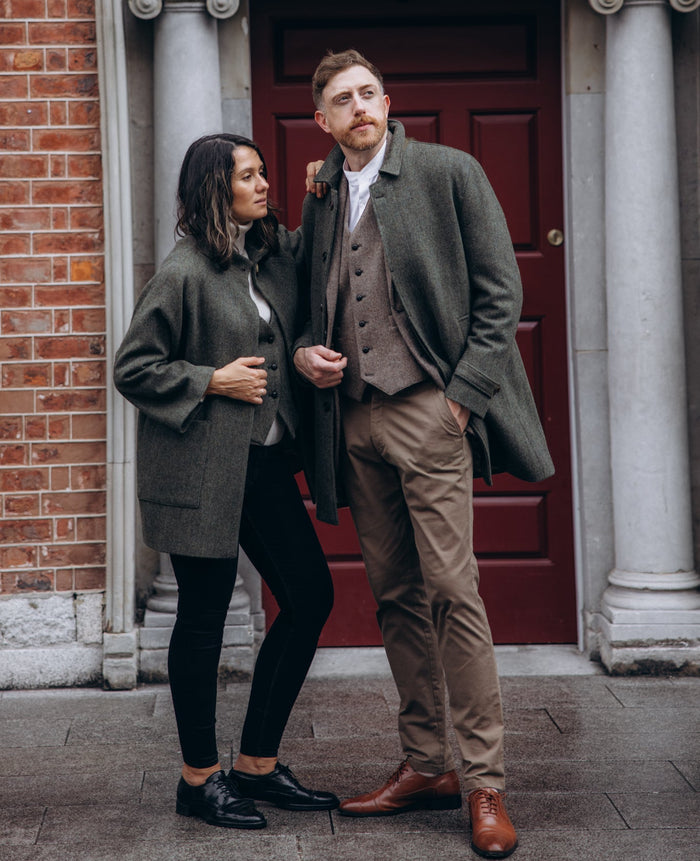
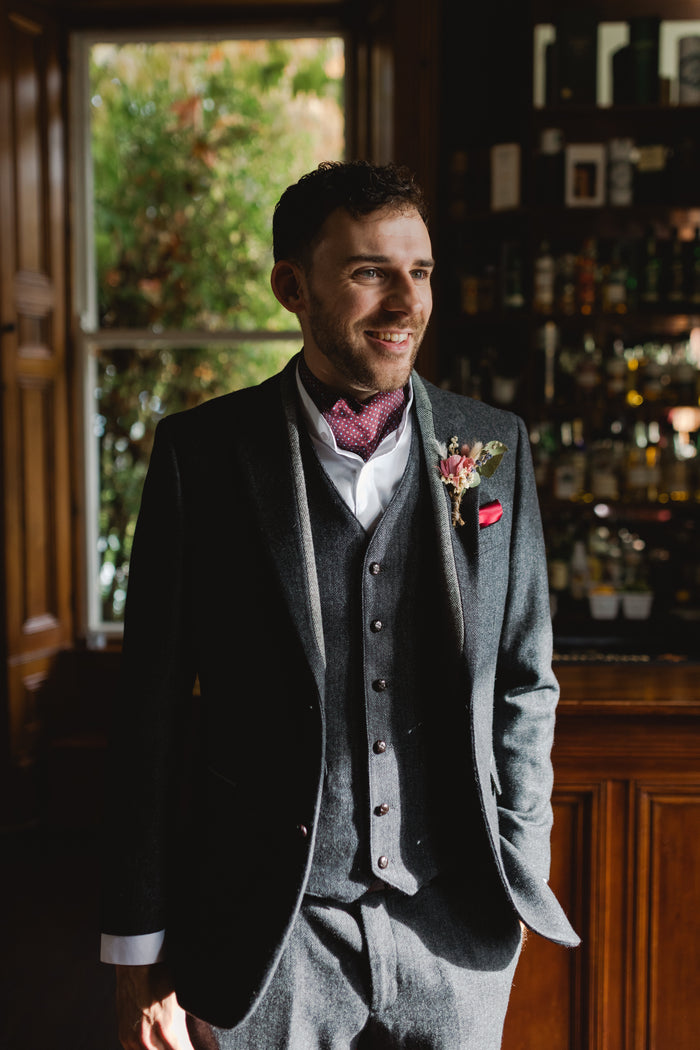
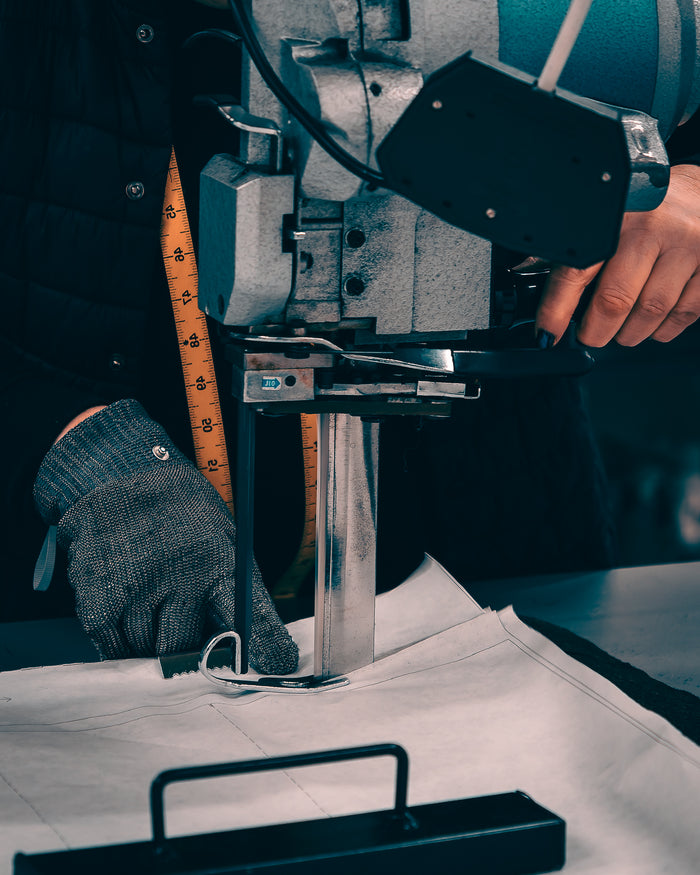
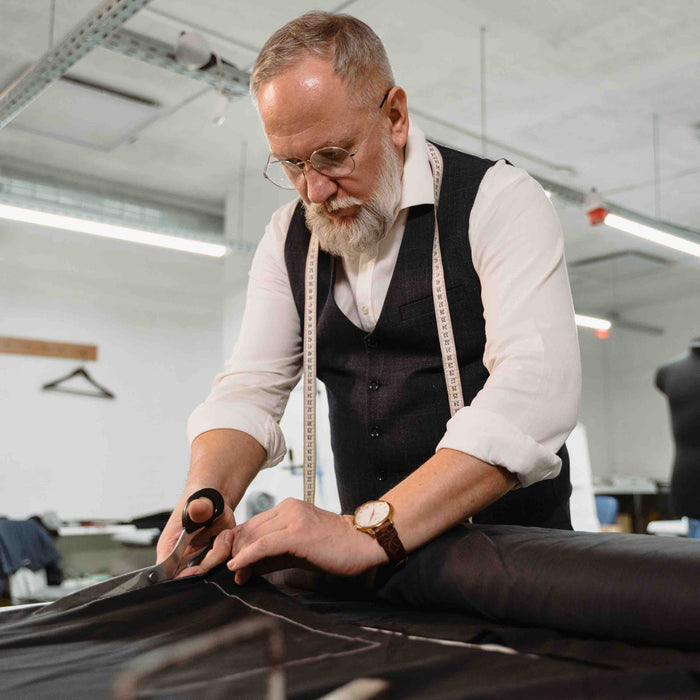
A considered Cheltenham outfit begins with structure. Tailored tweed trousers paired with a blouse, a knit dress layered with a waistcoat, or a skirt and tweed jacket create a stable base. Structured pieces provide definition through the shoulder and waist, which becomes especially important when layering outerwear. Tweed performs well in this environment. Its density offers insulation, while its texture complements the rural setting. Herringbone weaves add subtle movement without excess pattern. Subtle checks introduce depth that remains composed in natural light. A well-cut jacket prevents softer layers from losing form. It creates clarity rather than sharpness. When proportion is balanced, the jacket feels steady rather than rigid. In Balbriggan, when we cut women’s jackets and coats, the emphasis is on movement as much as shape. The item must allow walking and sitting comfortably across hours. Race day is a long day.
Capes and Cape Coats at Cheltenham
Cheltenham, particularly Ladies Day, often sees capes worn with confidence. When properly cut, a cape offers warmth and elegance without restricting movement. A simple tweed cape sits across the shoulders, allowing the layers beneath to retain their shape. It provides coverage against wind while maintaining ease through the arms. The effect is fluid yet controlled. Cape coats introduce more structure. They frame the body while offering insulation comparable to a traditional coat. The key lies in proportion. Length should complement the clothing beneath. Fabric should provide texture without unnecessary volume. Capes work best when integrated into the outfit rather than added as an afterthought. Colour and weave should align with the tailoring beneath to create cohesion.
The City Coat: Reliable Coverage
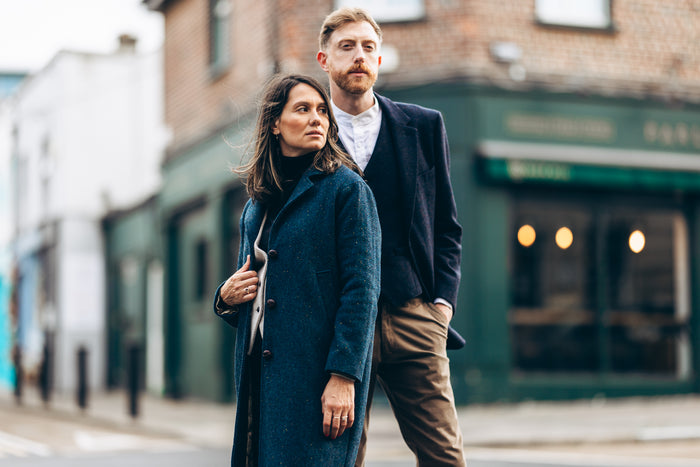
For many women, a structured city coat remains the most dependable choice for Cheltenham. The vertical line of a tailored coat creates composure and warmth without overwhelming proportion. It should layer smoothly over jackets or waistcoats, allowing movement across the shoulders and back. In early spring conditions, length provides reassurance. A coat protects against wind across open ground and maintains polish when moving between outdoor and indoor spaces. Natural wool fibres regulate temperature more effectively than synthetic materials. This becomes evident during long outdoor events. Warmth feels steady rather than stifling.
Layering for Changing Conditions
March weather can shift across the day. Mornings often begin cold. Sunlight may soften the air slightly at midday before temperatures drop again in the afternoon. Layering offers flexibility. A fine knit beneath a tweed jacket adds insulation without distorting shape. A gilet layered between knitwear and coat provides warmth through the core while allowing the arms freedom. Scarves in wool or silk offer additional protection without overwhelming the neckline. The objective is adaptability without bulk.When clothing can be adjusted easily, the outfit remains balanced from arrival to departure.
Colour, Texture, and Landscape
Cheltenham’s surroundings provide their own palette. Grass, muted skies, and stone architecture favour tonal depth over brightness. Moss green, deep brown, navy, charcoal, and soft neutrals sit comfortably within this environment. These colours photograph well and feel natural rather than staged. Texture often carries more visual interest than bold colour. Herringbone weaves, refined tweeds, and cable knits introduce dimension without distraction. Softness can be introduced through blouse fabrics or knitwear beneath structured outer layers. This contrast creates movement and balance without ornamentation. A cohesive palette ensures each piece supports the next.
Footwear and Practicality
Cheltenham involves movement across varied surfaces. Grass may be damp. Stone steps require stability. Hospitality areas demand polish. Footwear should provide comfort over several hours. Structured boots, refined loafers, or polished leather shoes offer balance between elegance and practicality. Heel height should allow natural walking across grass. Gloves and scarves serve both aesthetic and functional purposes. Leather gloves add warmth and structure. Wool scarves provide insulation without excess volume. Details that serve a purpose tend to feel most appropriate.
Confidence Through Proportion
Race day style succeeds when it feels aligned with the setting. Structured outerwear layered thoughtfully allows attention to shift toward the experience itself. When garments fit correctly and respond to the weather, confidence follows. Clothing that performs quietly often leaves the strongest impression.
Celtic Tweed Pieces for Cheltenham
Each piece reflects a measured approach to race day dressing. Designed and made in Ireland, they balance practicality with refinement and settle comfortably into long hours outdoors.
Alpaca Cape Coat
The alpaca cape coat offers warmth through natural fibre softness while maintaining structure across the shoulders. Its drape provides coverage without heaviness, making it particularly suited to March conditions when wind can cut across open spaces. The silhouette allows tailoring beneath to retain its form.
Black and White Herringbone City Coat
This structured city coat introduces contrast through a refined herringbone weave. The monochrome palette integrates easily with both darker and softer tones beneath, while its length provides insulation and composure. It frames tailoring without concealing it.
Green Herringbone Tweed Jacket
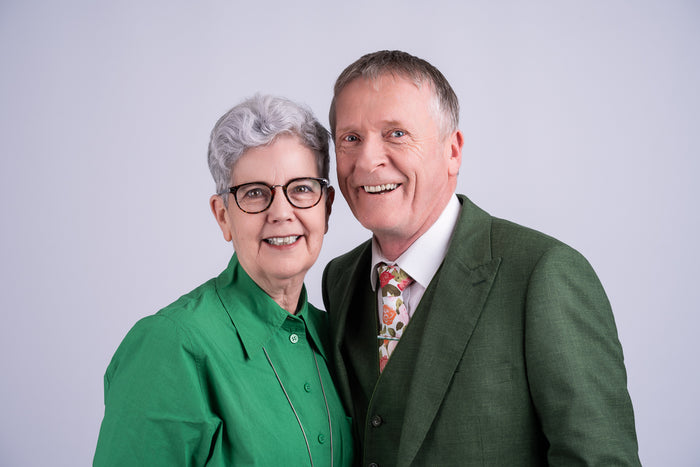
A green herringbone jacket offers grounded texture that sits naturally against Cheltenham’s landscape. The directional weave provides subtle movement, while the cut defines the waist and shoulder. It forms a strong foundation for layered dressing.
Moss Green Simple Cape
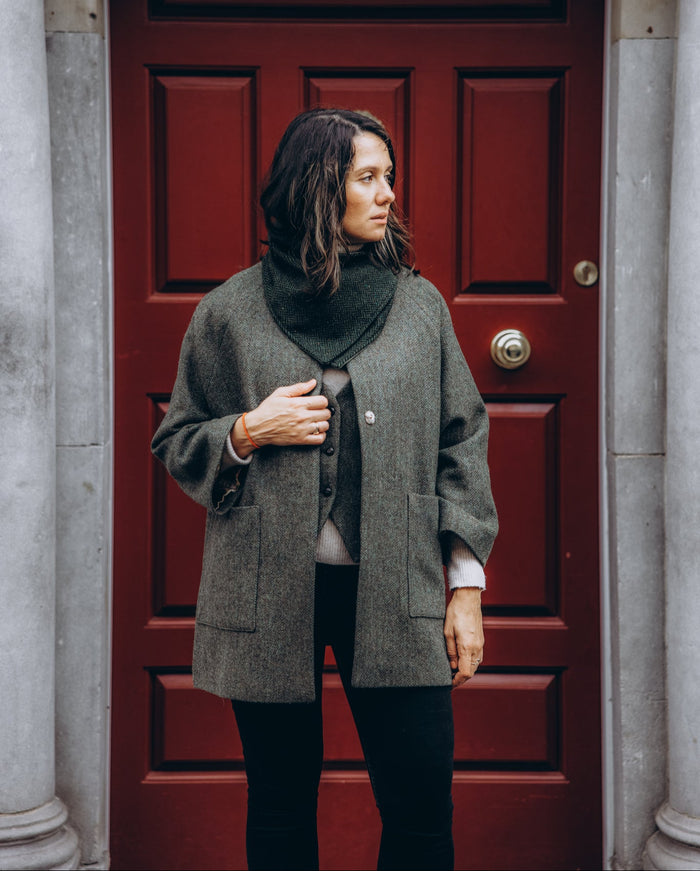
The simple moss green cape delivers coverage with ease. Its clean lines allow knitwear or tailoring beneath to remain visible, creating a layered effect that feels integrated rather than heavy. It is particularly effective for Ladies Day styling.
The Constance Moss Green Cable Knit Sleeve Jacket
The Constance jacket combines tweed structure with cable knit sleeves, introducing softness alongside shape. This contrast offers warmth and flexibility, making it adaptable across shifting temperatures while retaining clarity through the torso.