





Tweed Aviator Jackets Explained: Heritage, Fit, and Modern Wear
February 25, 2026
Tweed Aviator Jackets: Heritage, Function, and Modern Wear
A tweed aviator jacket combines the structure of tailored outerwear with the practicality of shorter, waist-length flight jackets. Originally inspired by early aviation clothing designed for warmth and mobility, the modern tweed aviator adapts those principles for everyday wear. In cooler climates, it offers insulation without feeling heavy, while retaining clarity of shape and proportion.
Where the Aviator Jacket Comes From
The aviator jacket has its origins in early twentieth-century military aviation. Pilots required garments that were warm, strong, and functional in open cockpits. Early versions were often cut from leather or shearling, designed to protect against wind and cold at altitude. Over time, the silhouette evolved into civilian wear. The defining characteristics remained consistent. A shorter length that sits around the waist, structured shoulders, practical fastenings, and freedom of movement through the body. When interpreted in tweed, the aviator jacket retains these proportions but gains a different character. Tweed introduces natural insulation, texture, and resilence without relying on heavy padding. The result is less technical, more grounded, and better suited to structured everyday wear.
Why Tweed Works in This Silhouette
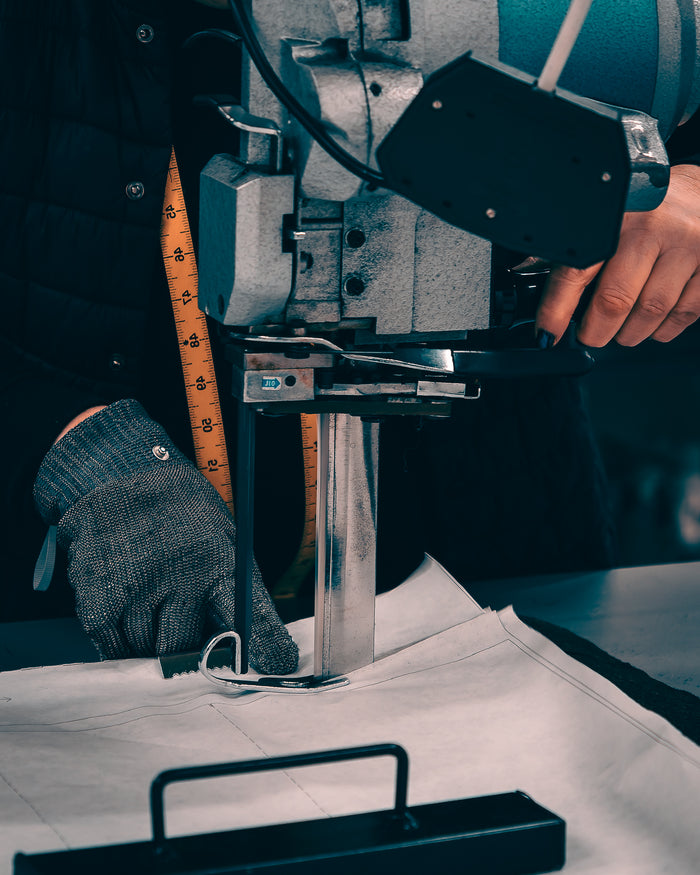
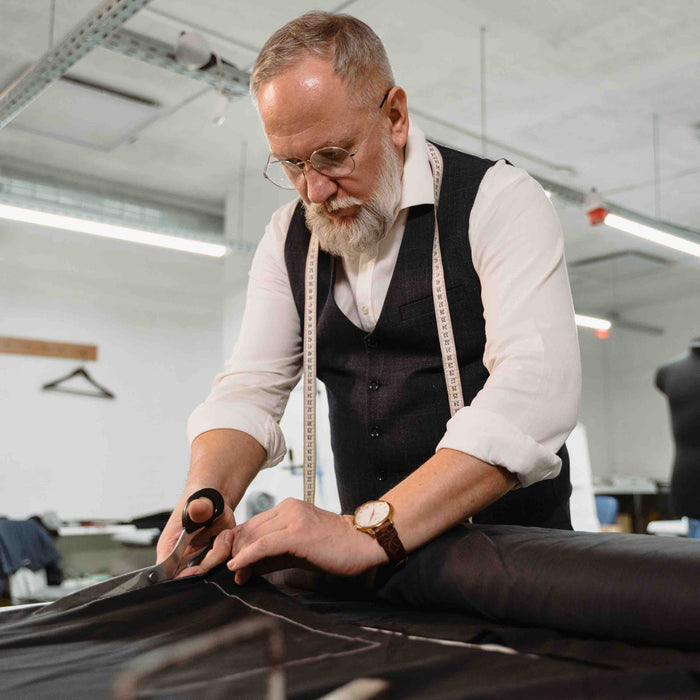
Wool tweed is naturally insulating. The crimped structure of wool fibres traps air, which helps retain body heat without excessive weight. This makes it effective in cooler weather without requiring synthetic fill. Tweed also has density. Compared to lighter woven cloths, it resists abrasion and holds its surface texture through repeated wear. It does not depend on shine or surface finish for visual impact. Instead, its depth comes from the weave itself. In our tailoring rooms in Balbriggan, when we cut aviator jackets in tweed, the focus is on balance. The cloth must provide warmth, but the cut must remain clean. The structure of the jacket should feel steady, not stiff. Movement is as important as insulation.
When a Tweed Aviator Jacket Makes Sense
A tweed aviator jacket performs best in transitional and winter conditions. It works particularly well in urban environments where a full-length overcoat may feel excessive, but a lighter overshirt would be insufficient. For commuting, weekend travel, and informal professional settings, it offers coverage without formality. Because of its shorter length, it pairs naturally with tailored trousers, heavier flannels, and structured denim. It can be worn over a knit or layered over a shirt and fine sweater. The key is proportion. The layers beneath should support the jacket, not overwhelm it. In rural settings, the jacket reads as practical rather than decorative. In city settings, its clean cut prevents it from feeling nostalgic. The strength of the aviator lies in this balance.
Fit and Proportion
The success of a tweed aviator jacket depends on fit more than most outerwear. The shoulder should sit cleanly. The body must allow room for layering without pulling across the front. The hem should sit at or just below the waist, maintaining visual proportion with the trousers. Too tight a fit limits function and shortens the lifespan of the garment. Too loose a fit removes the clarity that gives the aviator its presence. In Balbriggan, our approach prioritises structure with ease. The jacket should feel supportive rather than restrictive. It should accommodate natural movement across the day without constant adjustment. Proportion creates confidence.
Colour and Texture in Practice
Tweed aviator jackets work best in restrained tones. Moss green, brown hunting check, and muted fawn herringbone patterns integrate naturally with autumn and winter wardrobes. These colours respond well to natural light and sit comfortably alongside navy, charcoal, and earth-toned knitwear. High contrast or novelty patterns risk overpowering the simplicity of the aviator silhouette. Depth tends to age better than brightness. Texture should be visible but controlled. The weave adds character. It should not dominate.
Strength and Care
Wool tweed is resilient when maintained correctly. Brushing the jacket after wear helps remove surface debris and preserve the nap of the cloth. Allowing it to rest between wears enables the fibres to recover. Storing it on a structured hanger protects the shoulder line and prevents distortion. Unlike heavily padded outerwear, which may lose loft over time, a tweed aviator maintains its insulation through fibre structure rather than fill. With informed care, it softens slightly but retains its form. Longevity is built into the cloth.
Choosing With Intent
A tweed aviator jacket is not a novelty garment. It is a practical interpretation of heritage outerwear, adapted for contemporary life. Cloth weight should reflect the climate in which it will be worn most often. Fit should allow for layering across seasons. Colour should integrate with existing tailoring rather than compete with it. When these elements align, the jacket becomes part of daily rotation rather than occasional wear. It bridges structured tailoring and practical outerwear without excess. The value of a tweed aviator jacket lies not in nostalgia, but in proportion, function, and quiet resilience.
Selected Tweed Aviator Jackets
Our aviator jackets are cut and constructed in Ireland with attention to proportion, cloth integrity, and long-term wear. Each style reflects the same principles outlined above, differing primarily in weave, tone, and surface character.
Brown Hunting Tweed Aviator Jacket
The brown hunting aviator carries a subtle check within a disciplined weave. The cloth offers depth without excess pattern, making it particularly adaptable across both rural and urban settings. Its warmth and density suit colder months, while the shorter aviator length keeps the silhouette controlled and practical.
Moss Green Herringbone Tweed Aviator Jacket
The moss green herringbone introduces quiet movement through its directional weave. This pattern catches light gently without appearing bold, allowing it to integrate easily with navy, charcoal, and earthy knitwear. It feels grounded and steady, particularly effective in autumn and winter conditions.
Fawn Herringbone Tweed Aviator Jacket
In a lighter fawn tone, this herringbone aviator offers a softer visual weight while retaining structural clarity. The colour works well in transitional seasons and pairs comfortably with both darker and lighter layers. Its measured texture provides character without distraction.