





Tweed Wedding Suits: A Groom’s Guide to Getting It Right
February 24, 2026
Tweed Wedding Suits: A Groom’s Guide to Choosing Well
A tweed wedding suit is most appropriate for autumn, winter, and early spring weddings, particularly in daytime or countryside settings. It offers texture, structure, and depth that feel aligned with natural light and cooler air. It is rarely suited to black-tie evenings or peak summer heat. For a groom, choosing tweed is less about tradition and more about proportion, season, and confidence in the cloth.
Is Tweed Formal Enough for a Wedding?
Formality is not determined by smoothness alone. It is determined by appropriateness. In daytime ceremonies, country houses, barns, heritage venues, and outdoor settings, tweed feels grounded rather than casual. A properly cut three-piece configuration carries composure equal to most traditional suiting fabrics.Where tweed does not belong is in strict black-tie environments. Evening dress follows its own conventions. Heavy texture under artificial evening light can feel misplaced. Understanding this distinction preserves the suit’s credibility.
Why Tweed Works So Well for Grooms
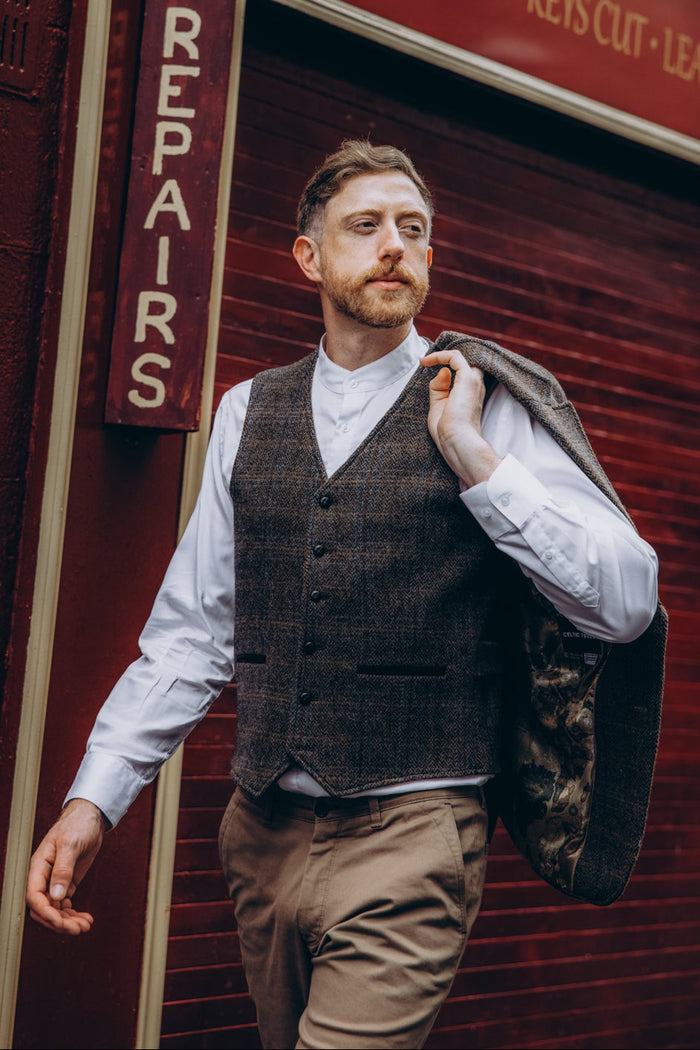
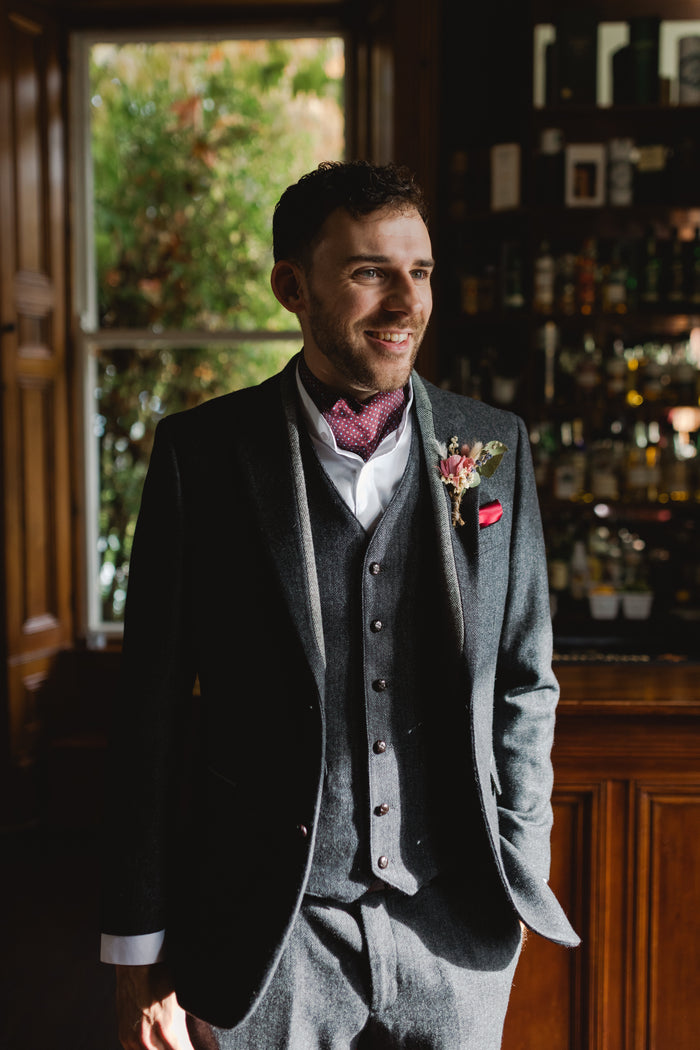
A groom needs distinction without spectacle. Tweed naturally provides presence because of its depth of weave. In photography, particularly outdoors, it carries dimension in a way flat worsteds sometimes do not. It responds well to natural light and does not rely on sheen to feel formal.The waistcoat plays a practical role here. Weddings are long days. Jackets come off. Movement increases. A three-piece suit maintains structure even when the jacket is removed. That continuity matters in photographs and in person. In our tailoring rooms in Balbriggan, when we cut wedding suits, the intention is longevity. A groom’s suit should not feel disposable. It should carry forward into race meetings, winter formal events, professional engagements and occasions where substance feels appropriate. A wedding may be one day. The suit should outlast it.
Season and Climate: The First Decision
Cloth weight must follow temperature.Autumn and winter weddings reward tweed. Deeper tones, layered dressing, and textured cloth feel proportionate in cooler air. Early spring can also accommodate tweed comfortably, particularly in climates where evenings remain sharp.High summer heat changes the equation. Dense tweed can become uncomfortable in sustained warmth. While lighter weaves exist, climate should guide the choice rather than aesthetic alone. If the groom feels overheated, the suit will never feel correct. However an Irish linen three piece suit can work great for summer weddings or destination weddings abroad.
Choosing Colour Without Overstatement
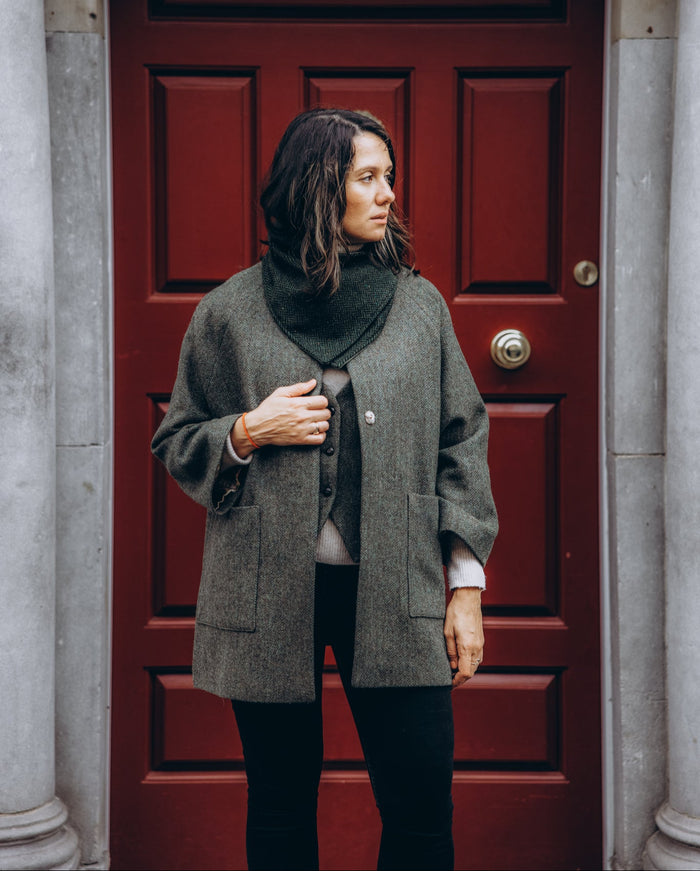
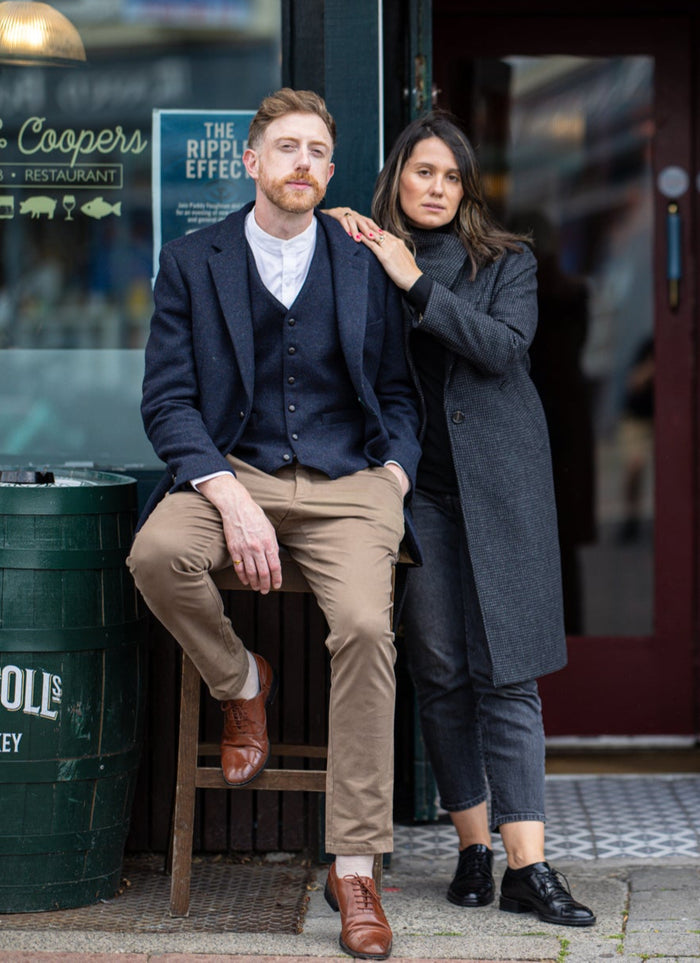
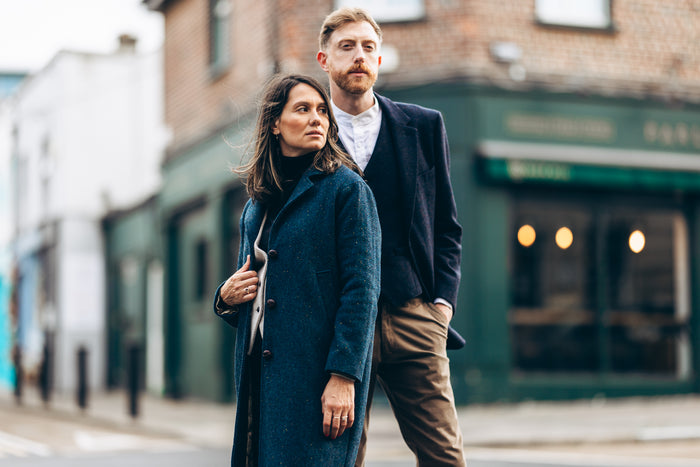
Colour should serve the setting. Blue herringbone remains one of the most adaptable choices refined enough for urban venues, grounded enough for rural ones. Green tweeds sit comfortably in countryside settings, especially in autumn. Brown tones and subtle hopsack weaves complement heritage venues without appearing theatrical. Strong contrast or novelty pattern can shift tone unintentionally. A wedding suit should feel deliberate, not experimental. Restraint almost always ages better.
Three-Piece or Two-Piece?
For most weddings outside peak summer, a three-piece suit carries greater composure. The waistcoat maintains the line of the torso and ensures the outfit remains complete throughout the day. It prevents the shirt from becoming untidy when jackets are removed. It also provides practical warmth during outdoor photography or evening air. A two-piece suit may be suitable in warmer climates or more relaxed ceremonies, but it does not offer the same structural continuity. The waistcoat is not decoration. It is discipline.
For Wedding Guests
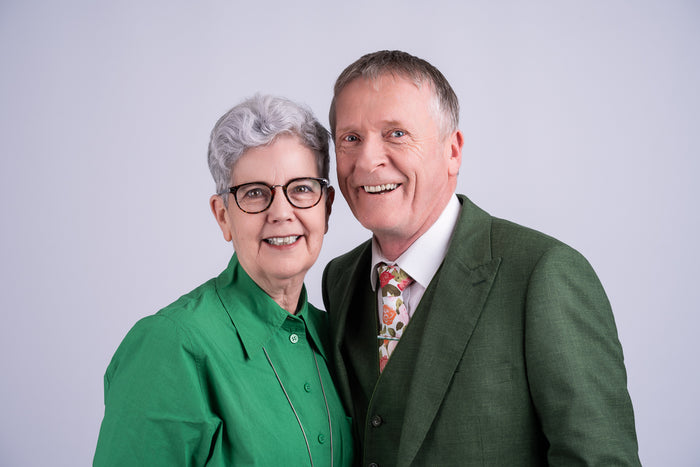
Guests can wear tweed successfully, provided they respect hierarchy. Muted tones, balanced proportion, and subtle pattern ensure the suit does not compete with the groom. Overly bold cloth, aggressive tailoring, or elaborate accessories can create imbalance. Appropriateness is about reading the room. Tweed works when it feels aligned with the season and venue, not when it attempts to redefine them.
Fit: The Quiet Determinant of Elegance
Poor proportion creates the “costume” effect people fear. A jacket that is too short, a waistcoat that pulls across the buttons, trousers cut without balance these are what make tweed appear theatrical. The cloth itself is rarely the issue. The jacket should follow the natural line of the body. The waistcoat should cover the waistband fully and sit flat. Sleeves must allow a measured reveal of shirt cuff. Trousers should maintain clean lines without excessive taper. Overly aggressive suppression is unnecessary. Structure, not tightness, creates elegance. In Balbriggan, we favour tailoring that allows movement across a long day. A groom should not be adjusting his suit by evening.
Avoiding the Rustic Costume Trap
The phrase “rustic wedding” can lead to excess. Tweed does not require exaggerated accessories to feel appropriate. Clean shirts, disciplined ties, and restrained footwear preserve coherence. The cloth already carries character; it does not need embellishment. Texture adds interest. Overstatement adds distraction.
Long-Term Relevance
A tweed wedding suit should not feel confined to memory. When responsibly made in Ireland with balanced construction and strong finishing, it becomes a garment suited to future occasions. Autumn race days, formal winter events, professional engagements, all provide context where tweed feels at home. Choosing colour and proportion with longevity in mind ensures the suit remains wearable long after the ceremony. A wedding marks a moment. The suit should continue.
Two of Our Most Considered Choices
Choosing a wedding suit is as much about tone as it is about cloth. The right tweed should feel aligned with the season, the setting, and the role you are stepping into. Depth, proportion, and restraint matter more than novelty. The following three-piece suits reflect that balance structured enough for formal occasions, grounded enough to feel natural.
Moss Green Three-Piece Suit
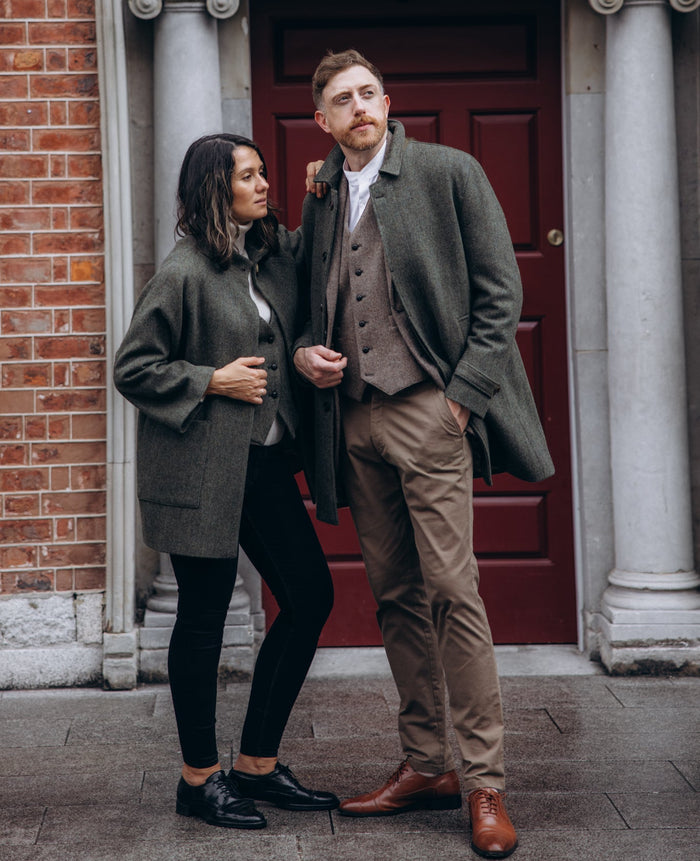
The moss green three-piece carries depth without excess. Its herringbone texture responds well to natural light, making it particularly suited to autumn countryside weddings and heritage venues. The waistcoat maintains structure throughout the day, ensuring the silhouette remains composed from ceremony to evening reception.
Brown Hunting Check Three-Piece Suit
The brown hunting check offers subtle pattern within a disciplined frame. It feels grounded and appropriate in rural and winter settings, while the three-piece configuration adds formal continuity when jackets are removed. The balance of tone and structure allows it to stand confidently without appearing theatrical.