






The Anatomy of a Great Tweed Jacket
February 18, 2026
What Makes a Good Tweed Jacket? Fabric, Fit, and Long-Term Wear
A great tweed jacket is not defined by pattern alone. It is defined by the integrity of the cloth, the precision of its cut, and the way it performs over years of wear. Tweed is a structured wool fabric designed for resilence and insulation. When balanced with disciplined tailoring, it produces a jacket that holds its shape, layers comfortably, and remains relevant long after trends have shifted.
Tweed as a Structural Cloth
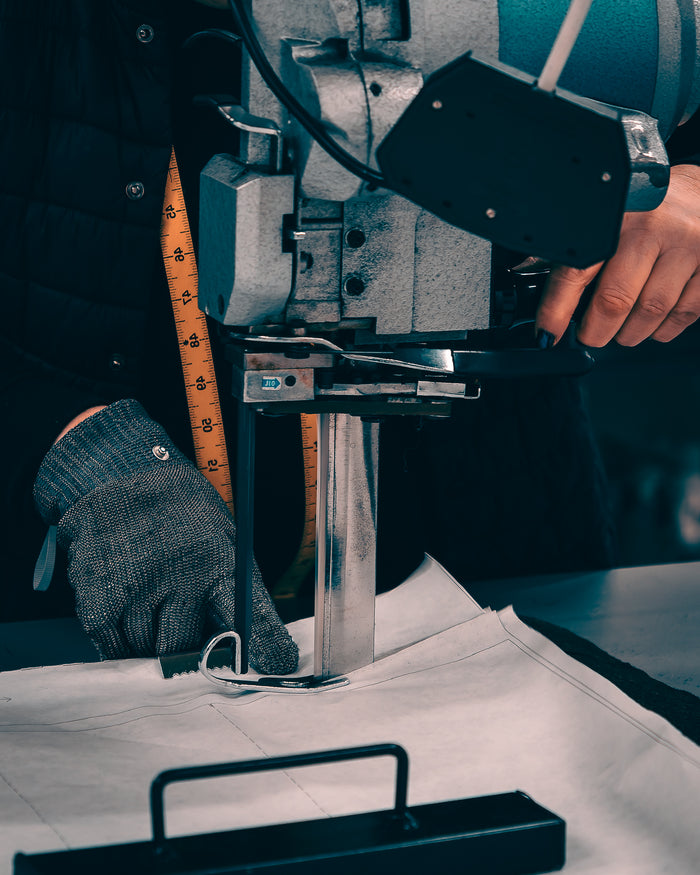
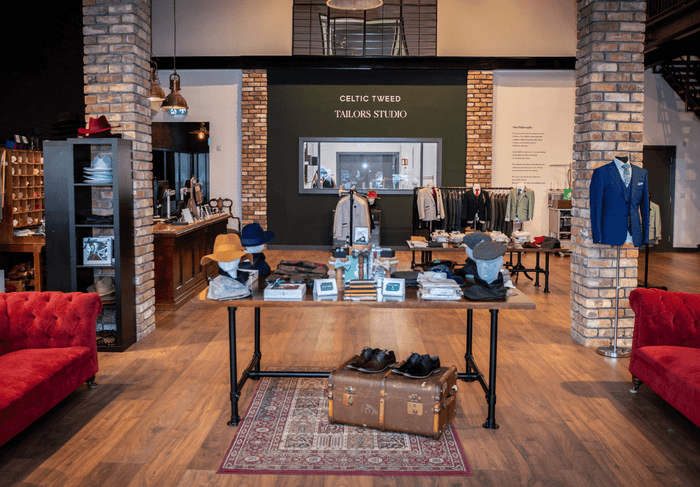
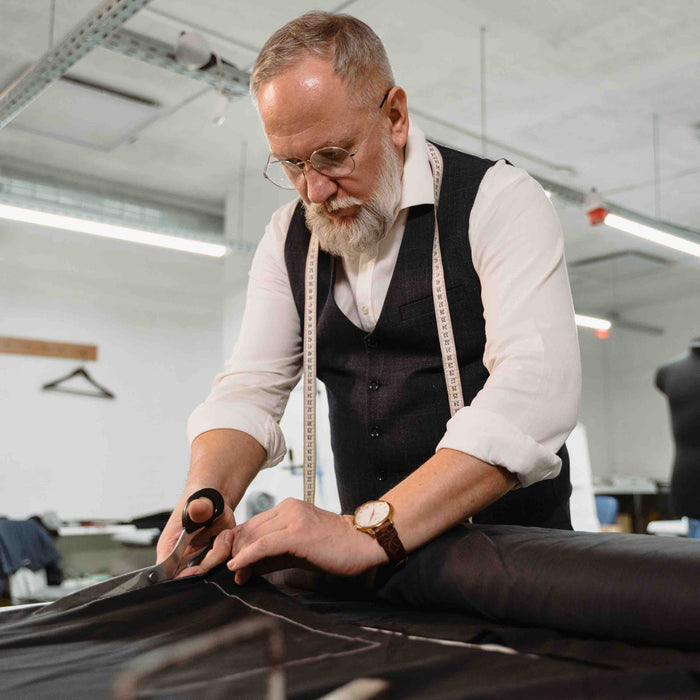
Tweed belongs to a family of woollen fabrics woven for resilience. Unlike smoother worsted wool, tweed retains visible texture and density. The weave traps warmth while maintaining breathability, making it particularly suited to cooler climates and transitional seasons. What sets tweed apart is its firmness. It carries weight and presence. It supports the shoulder line naturally. It allows a lapel to roll cleanly without excessive padding. When the cloth has integrity, the jacket requires less artificial reinforcement. In our tailoring rooms in Balbriggan, we treat tweed differently from lighter fabrics. Its density demands accuracy at the cutting stage. Seam allowance must allow for long-term wear. The internal canvas must stabilise without stiffening. Done correctly, the cloth works with the structure rather than fighting it.
Understanding Tweed Weaves and Variations
Not all tweed behaves in the same way. The weave and finishing influence both appearance and performance.
Herringbone Tweed
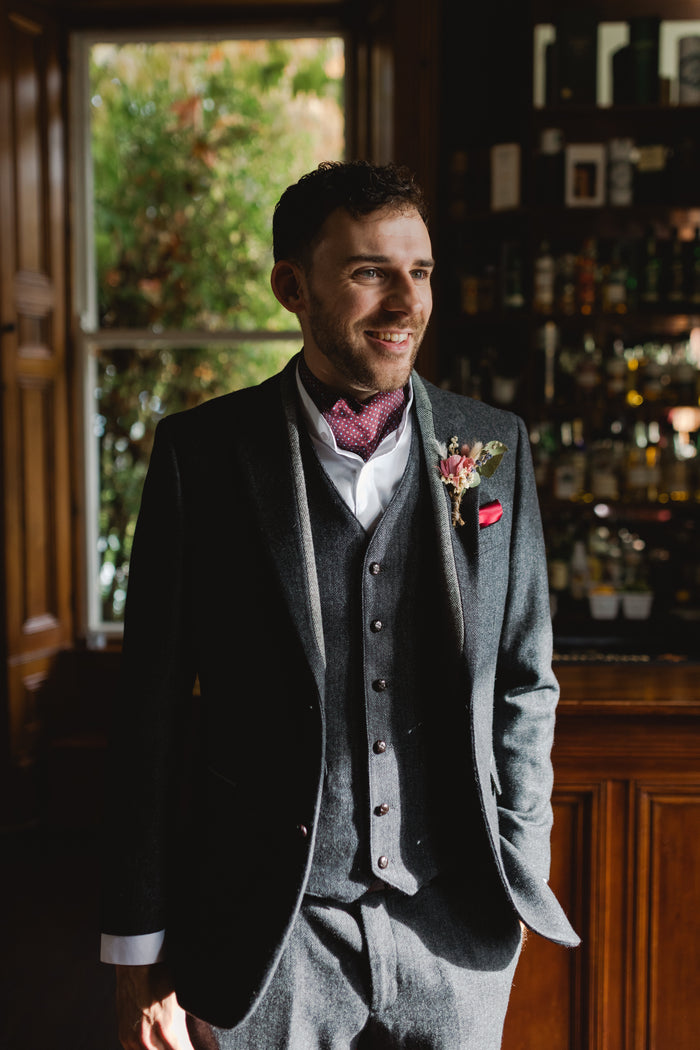
Herringbone is recognised by its directional, zig-zag weave. The pattern creates subtle movement while reinforcing the cloth’s strength. Herringbone jackets often read as refined and architectural, balancing tradition with clarity of line.
Twill Tweed
Twill refers to a diagonal weave structure. In tweed, this produces a smoother surface while retaining strength. Twill tweed jackets often feel slightly more understated, with a quieter texture that works well in professional environments.
Donegal Tweed
Donegal tweed is known for its flecked appearance small, irregular specks of colour woven throughout the cloth. Traditionally robust, it offers visual depth and insulation. Donegal tends to feel substantial and particularly suited to colder conditions.
Harris Tweed
Harris Tweed is a legally protected cloth woven in the Outer Hebrides of Scotland. It is typically heavier and carries a distinct traditional character. Jackets made from Harris Tweed often provide notable warmth and a pronounced texture.
Hopsack Tweed
Hopsack refers to a basket-style weave that can be used within tweed and wool tailoring. Compared to denser tweeds, hopsack constructions are more open and breathable while retaining structure. In tweed jackets, a hopsack weave can introduce lighter airflow without sacrificing stability, making it useful for transitional wear. The key distinction lies not in origin alone, but in density, weave, and intended use. A good tweed jacket begins with selecting the cloth appropriate to climate and context.
Fit: Precision Over Excess
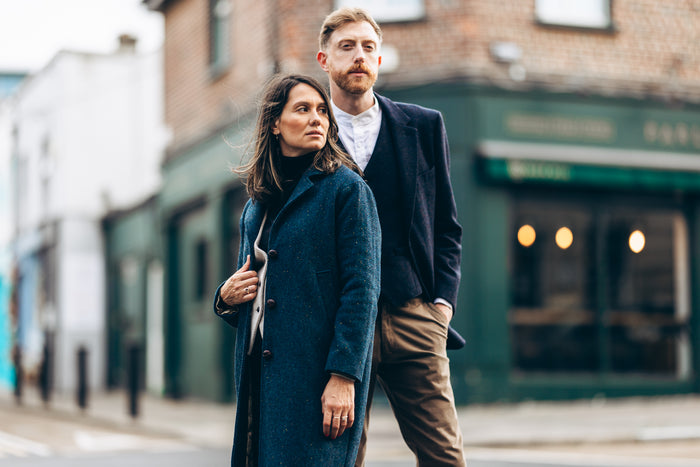
Tweed does not conceal poor fit. Its structure reveals imbalance quickly. The shoulder must sit cleanly. If it extends beyond the natural line, the jacket appears heavy. If it cuts short, the cloth pulls and distorts. Accuracy here determines the rest of the silhouette. Through the chest and waist, shaping should follow the body without strain. Tweed offers minimal stretch, so proportion matters more than suppression. Overly aggressive tapering places stress on seams and shortens lifespan. In Balbriggan Dublin, we cut our tweed jackets with measured allowance for layering a shirt, perhaps a knit beneath without introducing unnecessary bulk. Sleeve length should allow a modest reveal of cuff. Jacket length should anchor the torso rather than chase fashion-driven proportions.
Weight and Seasonal Practicality
There is a common assumption that tweed jackets are uniformly heavy. In reality, weight varies considerably. Some tweeds are woven densely for insulation. Others are balanced for milder weather. The perception of heaviness often comes from texture rather than actual mass. When constructed properly, weight is distributed across the shoulders rather than pulling forward. Internal structure should support the cloth without adding unnecessary rigidity. In cooler months, tweed offers dependable warmth. In transitional conditions, lighter tweeds and hopsack constructions provide balance without overheating. Selection should reflect environment, not assumption.
Longevity and Wear
Tweed’s original purpose was endurance. The density of the weave protects against abrasion. Wool fibres offer natural resilience. Longevity, however, is shaped by construction as much as cloth. Reinforced seams, balanced canvassing, and considered finishing determine whether a jacket improves with wear or deteriorates prematurely. In our work, we build tweed jackets to age gradually. The cloth softens slightly. The silhouette remains intact. Minor alterations or relining can extend lifespan further. An Irish made tweed jacket should not fatigue after a single season. With moderate care brushing, airing, and cleaning only when required tweed develops character without losing integrity.
Do Tweed Jackets Feel Dated?
Perception often depends on proportion rather than fabric. A balanced shoulder, disciplined lapel width, and controlled silhouette prevent tweed from appearing nostalgic. Exaggeration ages garments more quickly than cloth choice ever could. Tweed’s relevance lies in function. Structured warmth remains practical. Texture adds depth without reliance on trend. When cut with restraint, a tweed jacket reads as considered rather than old-fashioned.
Choosing Thoughtfully
A good tweed jacket begins with cloth suited to its purpose. It continues with precise cutting and measured internal support. It lasts through proportion and care. Observe the weave. Consider the weight. Assess the shoulder alignment. Notice how the jacket settles when fastened. When fabric integrity, fit, and construction align, the result is not seasonal fashion but dependable tailoring. That is what makes a good tweed jacket not pattern alone, but balance, structure, and longevity.
Our Top Pick Irish Made Tweed Jackets
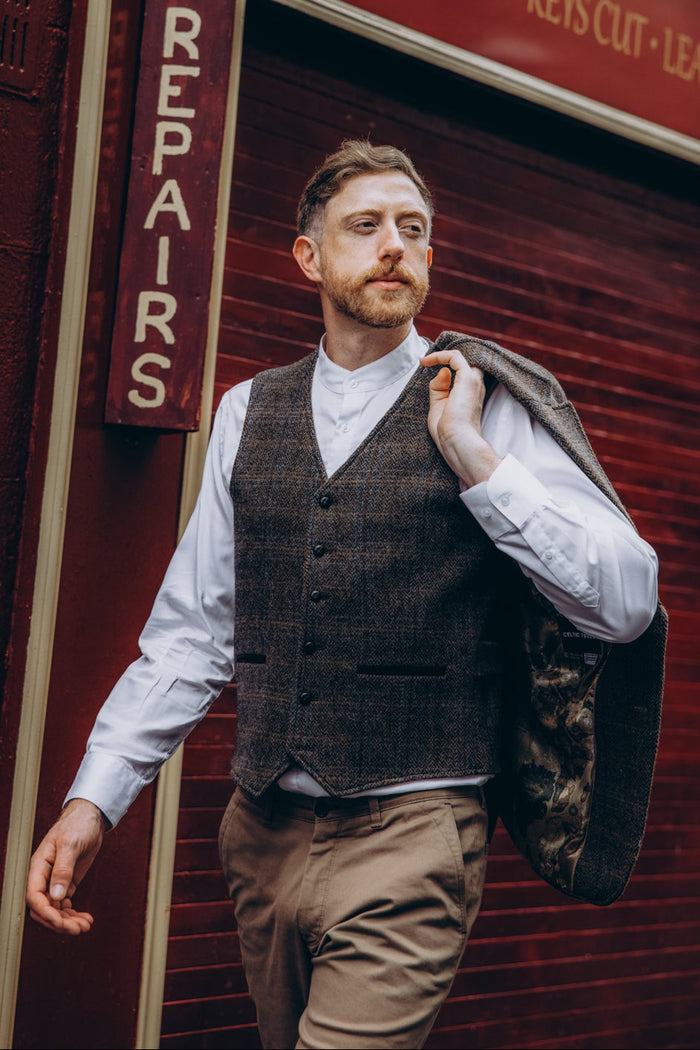
A considered selection of Irish made tweed jackets chosen for cloth integrity, balanced structure, and long-term reliability. Each piece is cut to maintain clarity through the shoulder and chest, allowing the density and texture of tweed to mature with wear while preserving its shape. Made In Ireland in the seaside town of Balbriggan in North Co. Dublin.
Behan Grey Herringbone Tweed Classic Jacket
Cut in structured grey herringbone tweed, the Behan jacket offers directional weave detail with disciplined tailoring. The cloth holds its line cleanly, making it well suited to cooler conditions while maintaining refinement across both professional and everyday settings.
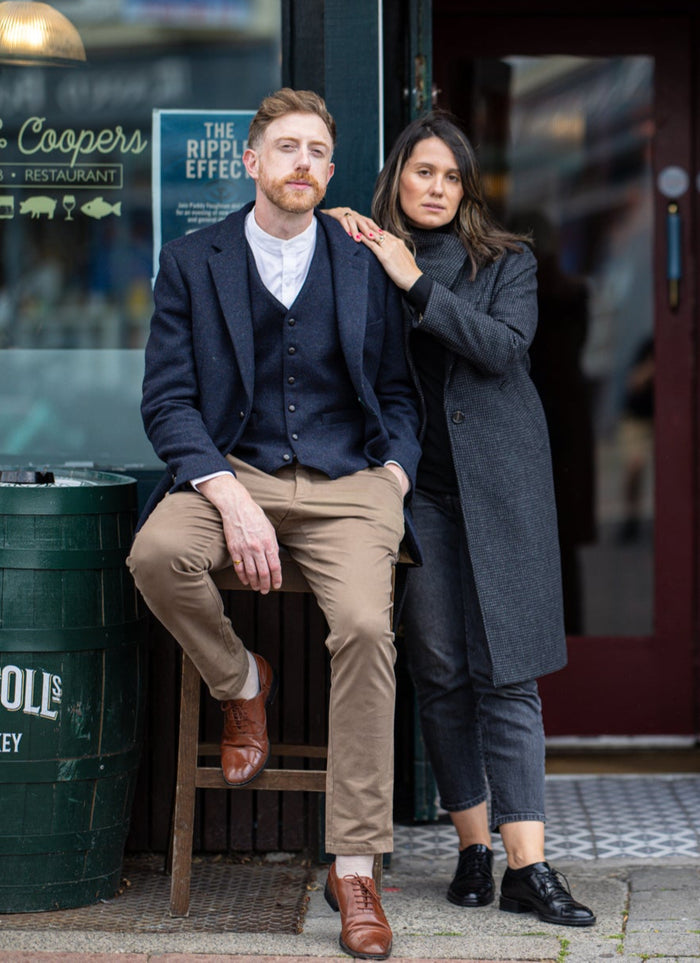
Ryan Dark Navy Classic Fit Twill Tweed Jacket And Blazer
The Ryan jacket is crafted in dark navy twill tweed, offering a diagonal weave that reads understated yet strong. Its classic fit allows for comfortable layering while retaining a composed silhouette, balancing resilience with everyday practicality.
James Stephens Brown Hopsack Tweed Poets Jacket
Constructed in hopsack tweed, the James Stephens jacket features a more open basket-style weave while preserving structural integrity. The texture provides breathability within a firm tailored frame, creating a jacket that feels substantial without unnecessary weight.
Kavanagh Blue Herringbone Tweed Classic Fit Jacket
The Kavanagh jacket uses blue herringbone tweed to introduce subtle movement and depth. Its controlled proportions ensure the cloth settles naturally over time, maintaining definition through repeated wear without appearing rigid.
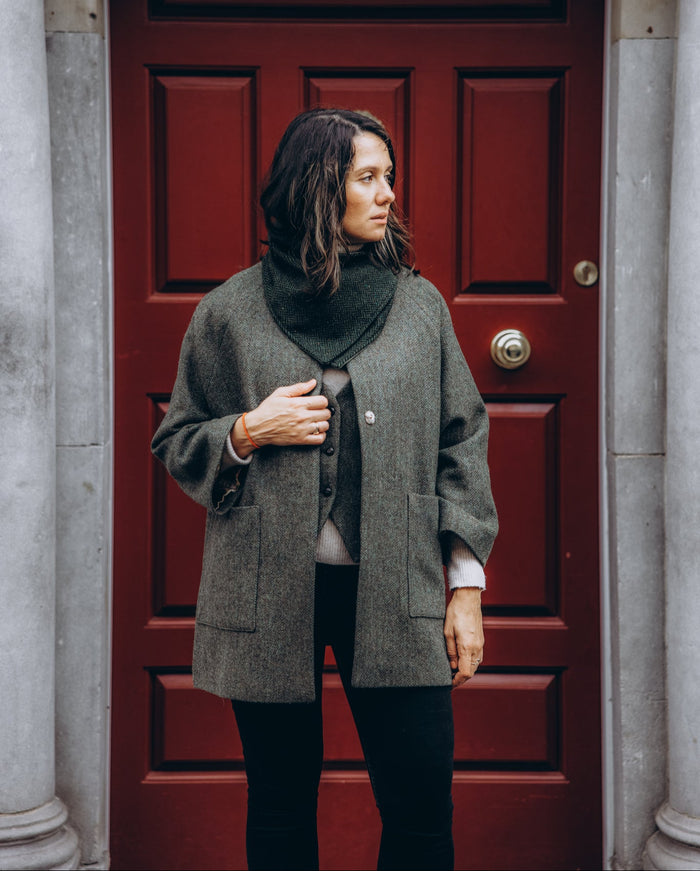
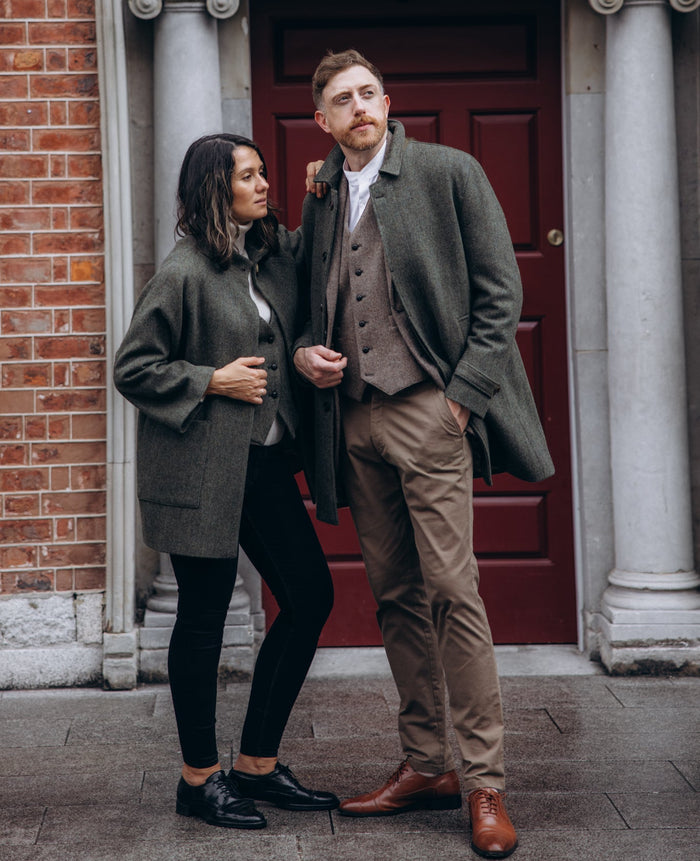
Pearse Green Herringbone Tweed Jacket
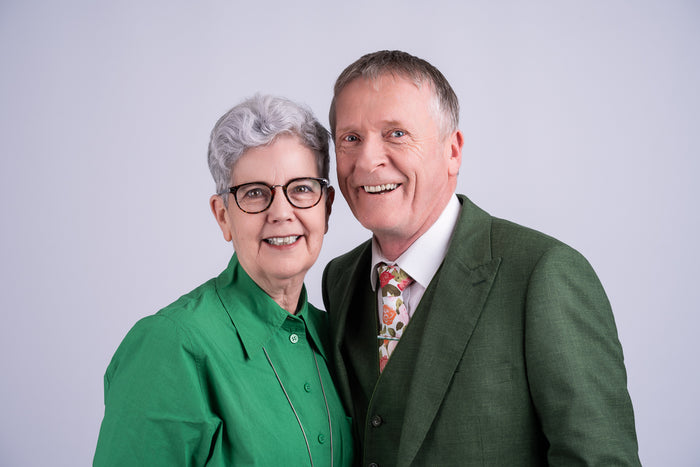
In green herringbone tweed, the Pearse jacket combines texture with clarity of cut. The weave supports warmth and strength, while the measured construction allows the tweed blazer to age gradually, retaining structure as it softens.