





What to Wear to The Cheltenham Festival: A Considered Guide for Men
March 02, 2026
What to Wear to The Cheltenham Festival: A Considered Guide for Men
The Cheltenham Festival calls for tailoring that balances tradition, practicality, and proportion. It is an outdoor sporting event with a strong heritage of structured dress, yet it unfolds across open grounds in early spring, where weather can shift across the day. The most appropriate approach for men is layered tailoring built for movement, warmth, and composure rather than excess.
The Setting Shapes the Clothing
Cheltenham is not an indoor formal gala. It is a race meeting spread across terraces, hospitality enclosures, lawns, and grandstands. Attendees spend long hours outdoors, often standing, walking, and moving between spaces. Tailoring feels natural at Cheltenham. Suits, tweed jackets, tweed waistcoats, and structured tweed city coats align with the heritage of the event. Yet the mens clothing must also function across uneven ground, wind exposure, and fluctuating temperatures. The aim is to feel prepared rather than theatrical. Well-cut clothing allows the wearer to focus on the races and the company rather than the fit of a jacket or the weight of a coat.
Building the Foundation: Jacket and Suit Choices
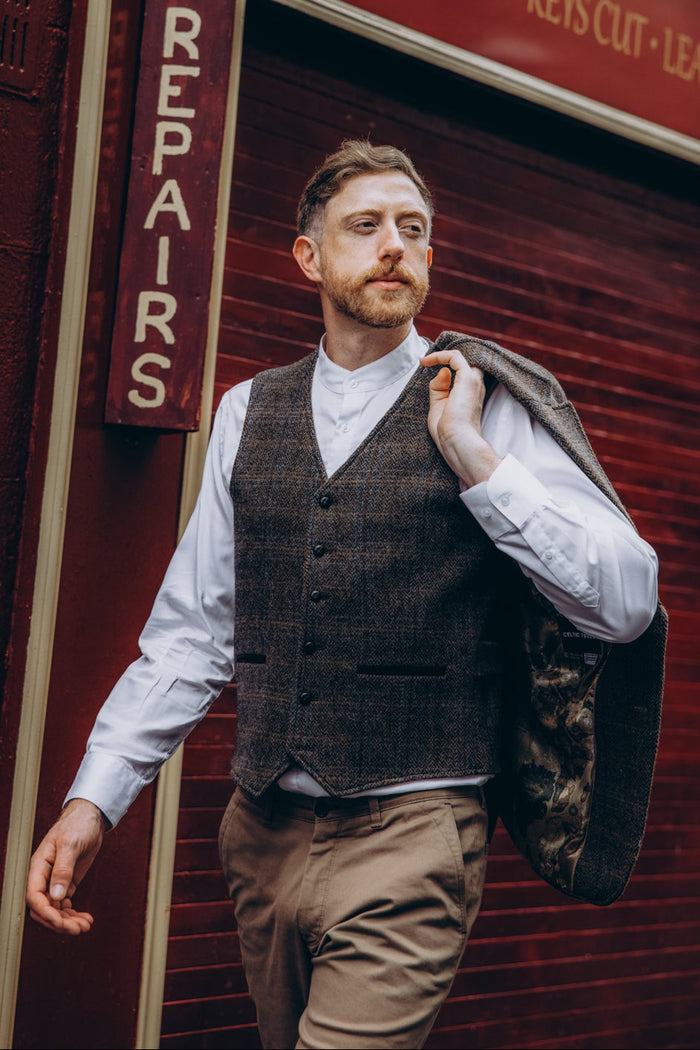
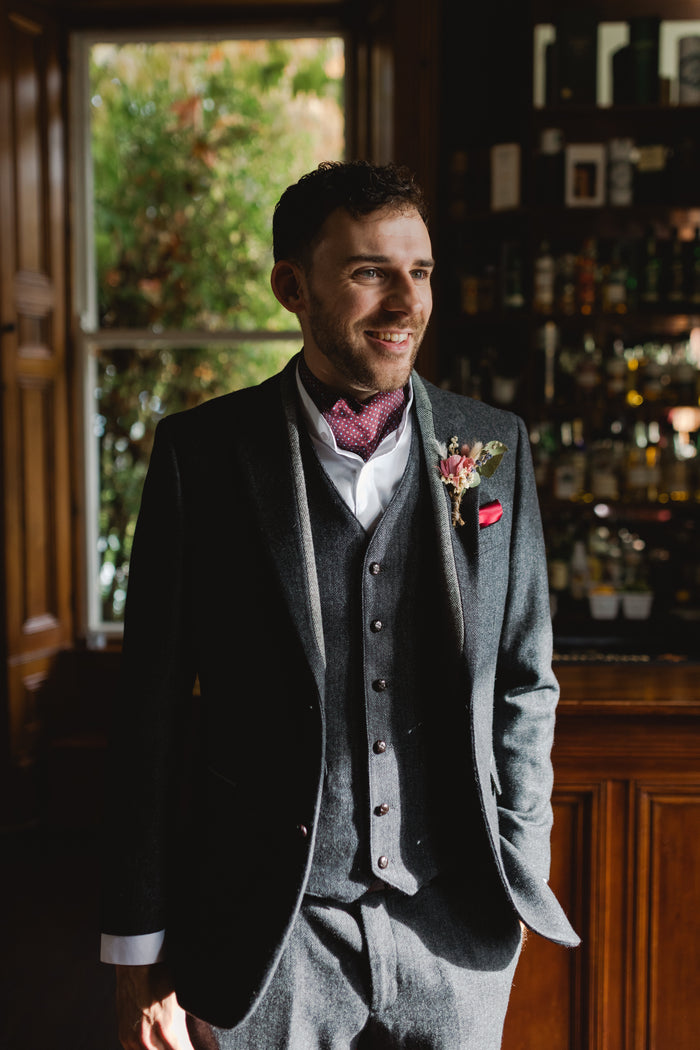
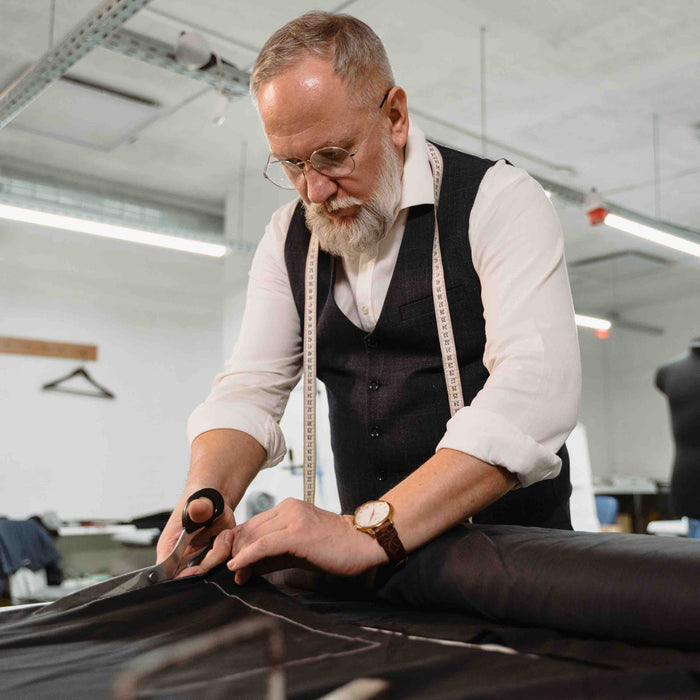
A tailored tweed jacket forms the foundation of a race day outfit. For many, this takes the shape of a tweed three-piece suit. For others, a tweed jacket paired with complementary tweed trousers offers a slightly more relaxed but equally appropriate alternative. Tweed holds particular relevance at Cheltenham. Its association with outdoor life, country sport, and structured dress makes it naturally suited to the setting. Herringbone weaves introduce movement without drawing attention. Hopsack offers texture with breathability. Subtle checks provide depth without appearing ornamental. A three-piece configuration carries practical advantages. The waistcoat adds warmth across the core and maintains structure if the jacket is removed in hospitality areas. It also ensures the outfit remains composed across the full span of the day. Fit determines whether tailoring reads confident or uncomfortable. Shoulders should sit cleanly. The jacket should close without strain. Trousers should allow natural movement while maintaining a sharp line. When proportions are balanced, the clothing feels steady rather than restrictive. In Balbriggan, Ireland when we construct tailoring for occasions such as Cheltenham, we think about how clothing performs across hours rather than moments. Race days reveal the value of comfort built into structure.
Weather and Layering
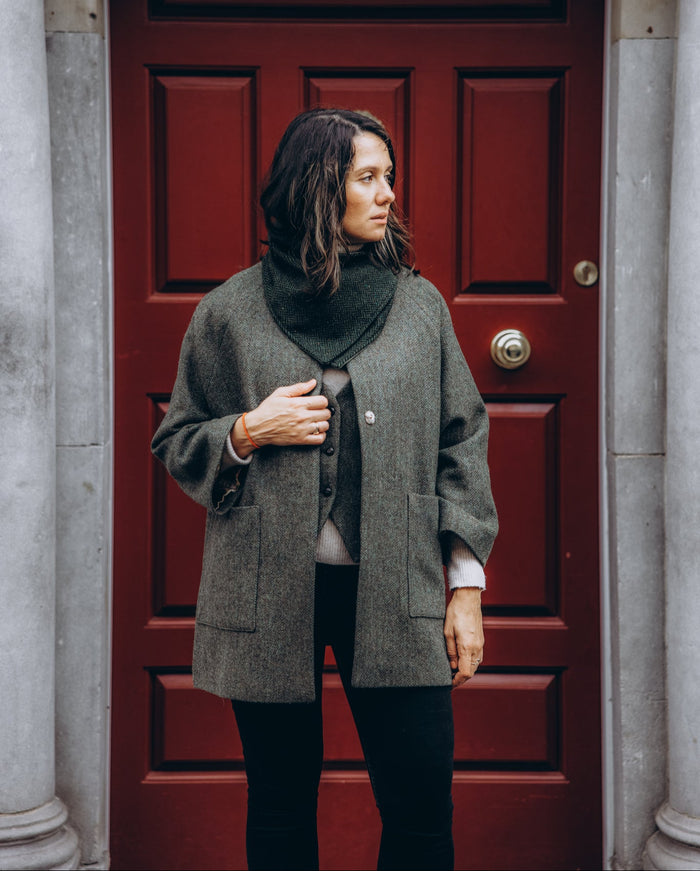
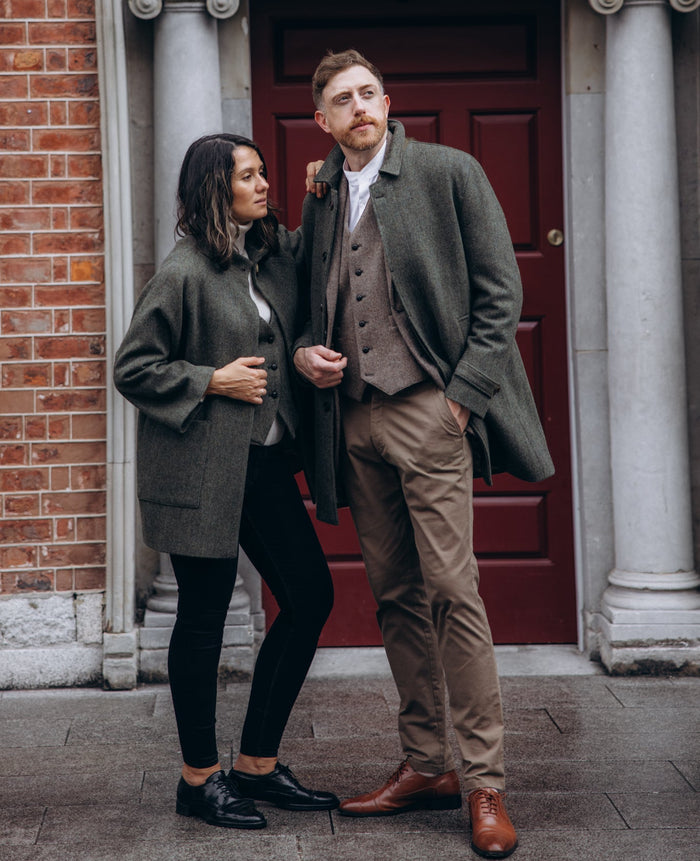
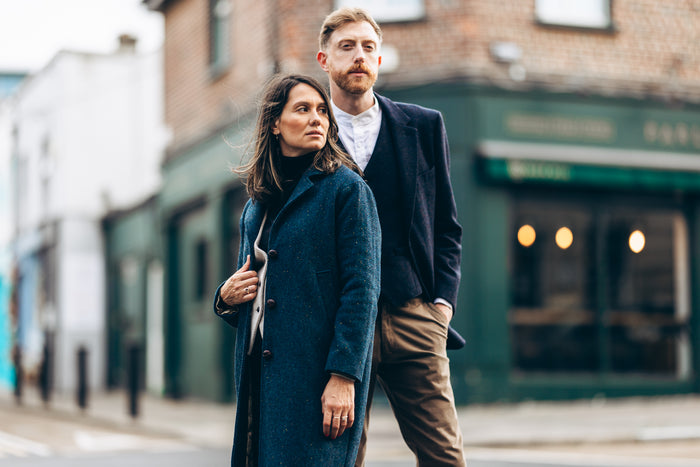
March in Gloucestershire can present cold mornings, bright midday light, and sharp afternoon winds. Preparation is essential. Layering is more effective than heaviness. A waistcoat beneath a jacket provides insulation without feeling too much. A fine knit under a jacket can offer additional warmth while maintaining shape. The objective is adaptability. Outerwear often becomes necessary. A tweed city coat or structured overcoat complements tailoring beneath and offers protection without overwhelming it. Length should correspond proportionately to the suit jacket. The coat should frame the tailoring, not obscure it. Natural fibres perform particularly well in these conditions. Wool regulates temperature and breathes more effectively than many synthetic alternatives. This makes it suitable for long outdoor events where comfort is not optional. When garments are selected with layering in mind, the outfit can evolve across the day without losing coherence.
Colour and Pattern in the Race Day Context
Cheltenham’s landscape provides its own palette. Grass, stone, muted skies, and traditional grandstands form the backdrop. Clothing that sits comfortably within that environment tends to feel most at ease. Earth tones such as moss green, brown, navy, charcoal, and deep blue integrate naturally. These colours carry depth without appearing forced. They respond well to changing light, particularly in photography, where texture becomes visible rather than flat. Pattern, when restrained, adds interest without distraction. Herringbone and subtle checks offer quiet detail. Strong contrast or overly bright tones can dominate rather than complement the setting. Race day dressing benefits from intention rather than novelty. A considered palette allows flexibility when pairing shirts, ties, and outerwear. It also ensures longevity beyond a single event.
Footwear and Ground Realities
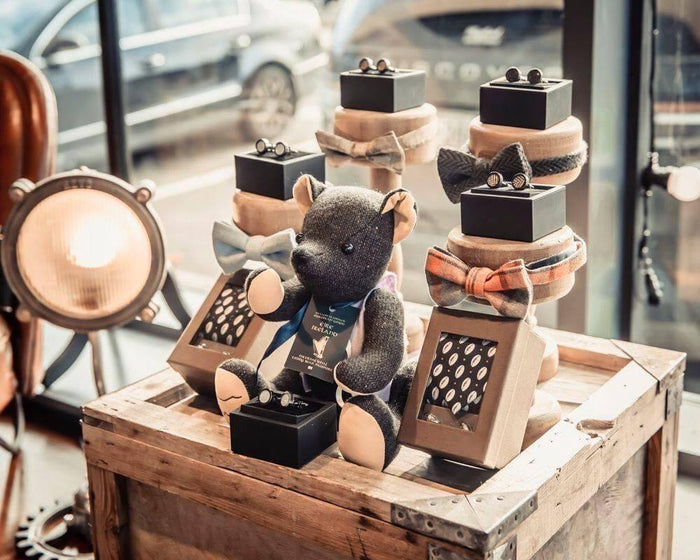
Cheltenham involves walking across varied surfaces. Grass, gravel, stone steps, and interior flooring all form part of the experience. Footwear must support both comfort and polish. Leather brogues, Derby shoes, or structured boots remain appropriate. Soles should provide stability without compromising formality. Excessively thin soles may prove impractical on damp ground. Polished shoes contribute to overall composure. They complete tailoring in a way that feels deliberate but not overstated. Accessories should support rather than compete. A wool or silk tie introduces refinement. A pocket square can add subtle contrast. Gloves and scarves in natural fibres provide warmth without excess volume. Details matter most when they feel integrated rather than added for effect.
Dressing for The Day
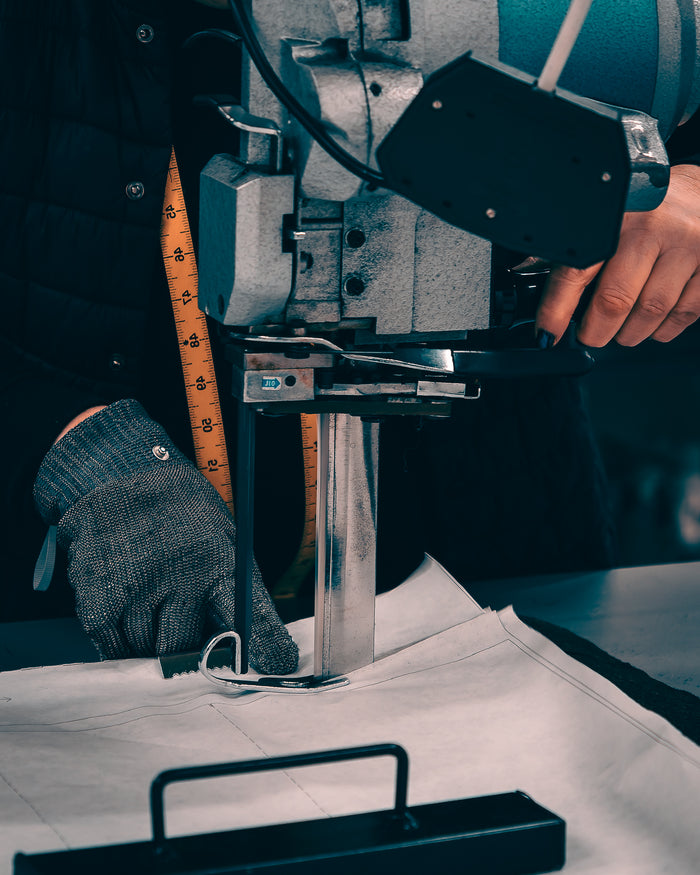
The Cheltenham Festival is not brief. It extends across hours and often continues into evening gatherings or travel. Clothing must allow for sitting, standing, and movement without constant adjustment. Jackets should follow natural posture. Waistcoats should fasten smoothly without tension. Trousers should remain comfortable after several hours of wear. This is where quality construction reveals itself. Balanced canvassing supports the chest without stiffness. Reinforced seams ensure durability. Proportion prevents pulling or collapse as the day unfolds. Men's Tweed Clothing built with longevity in mind perform differently from clothing selected for a single appearance. They settle into wear rather than resist it.
The Role of Confidence
Race day dressing is as much about ease as it is about tradition. When tailoring fits well and layers are considered, confidence follows naturally. The objective is not to stand apart from the event but to feel aligned with it. Cheltenham has a heritage of structured dress, yet it also rewards authenticity. A well-proportioned tweed suit, a balanced jacket and waistcoat combination, or a composed overcoat reflects both respect for tradition and awareness of practicality. Clothing should not distract from the experience. It should support it.
A Considered Approach
The Cheltenham Festival rewards preparation grounded in proportion and function. Structured tailoring layered thoughtfully, supported by practical footwear and appropriate outerwear, remains the most reliable approach. Tweed, when cut and constructed with balance, feels particularly at home in this setting. Three-piece suits provide warmth and structure. Subtle pattern and grounded colour integrate naturally with the landscape and tradition of the event. Ultimately, dressing for Cheltenham is about equilibrium. Between warmth and movement. Between tradition and comfort. Between structure and ease.When those elements align, the clothing feels steady across the full span of the day.
Celtic Tweed Top Picks for The Cheltenham Festival
For those attending Cheltenham this season, certain pieces consistently prove themselves in both form and function. Each reflects the balance of structure, warmth, and proportion discussed above.
Brown Hunting Check Jacket
The brown hunting check jacket offers texture that feels entirely at home on the racecourse. The check introduces quiet character without overpowering the overall look, while the density of the cloth provides warmth suited to March conditions. Paired with matching tailored trousers and a waistcoat, it creates depth without excess.
Brown Hopsack City Coat
For outerwear, the brown hopsack city coat provides insulation while maintaining a clean silhouette over tailoring. Its subtle weave adds visual interest without distraction, and its length frames a suit or jacket beneath without overwhelming proportion. In changing weather, it offers practical coverage that remains composed throughout the day.
Moss Green Three Piece Suit
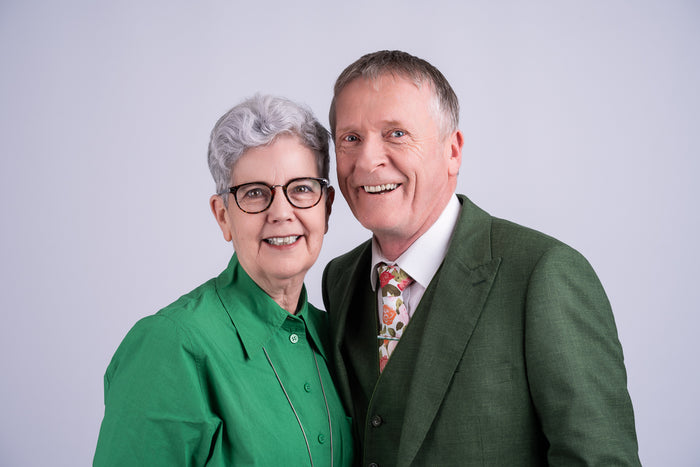
The moss green three-piece suit carries the confidence of structure and the adaptability of layered tailoring. The waistcoat adds warmth across the core, making it particularly suited to cooler mornings and late afternoon winds. The tone integrates naturally with Cheltenham’s landscape, offering depth without theatricality.
Navy Tweed Jacket
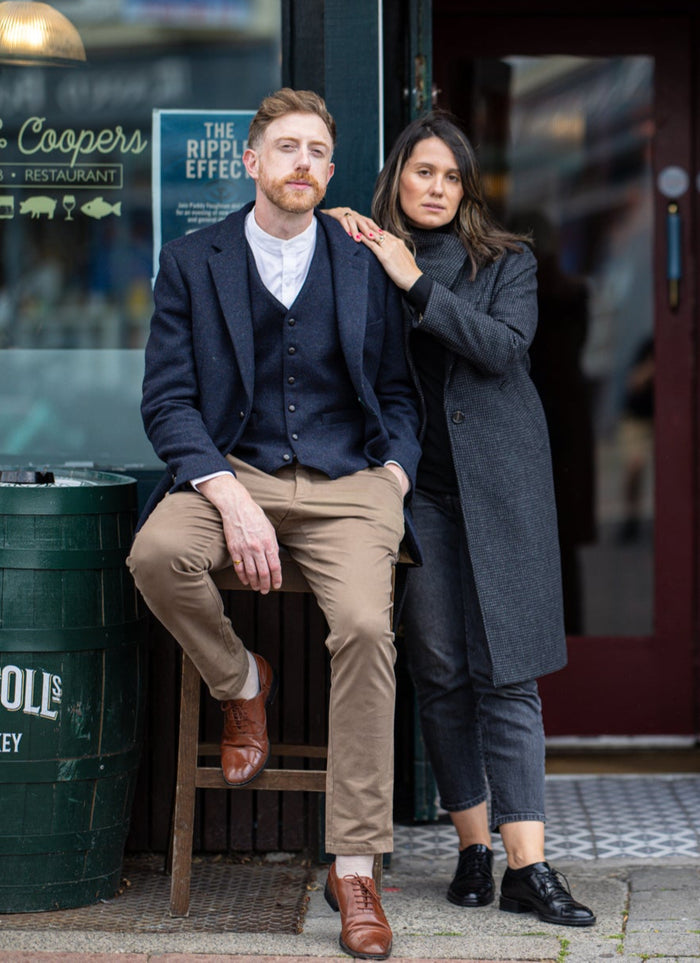
A navy tweed jacket provides versatility for those preferring a darker palette. The colour remains steady in varying light, while the texture of tweed introduces character beyond a smooth worsted suit. Worn with grey or charcoal trousers, it maintains clarity while remaining practical for an outdoor setting.