














Ernest Shackleton: Inspiration Behind Celtic Tweed’s Shackleton Jackets
March 05, 2026
Introduction
Few explorers in history have shown the resilience, leadership, and determination demonstrated by Ernest Shackleton. Born in Ireland in the late nineteenth century, Shackleton became one of the most respected figures of the Heroic Age of Antarctic Exploration. His expeditions across the frozen landscapes of Antarctica demanded extraordinary courage, endurance, and leadership under extreme conditions. Shackleton’s story continues to inspire generations because of the way he led his crew through adversity with calm determination and unwavering optimism. At Celtic Tweed, stories like his provide meaningful inspiration when designing outerwear intended to offer both comfort and confidence in challenging weather. The Shackleton Jackets Collection reflects the same spirit of exploration and resilience that defined one of Ireland’s most remarkable adventurers.
The Historian Behind the Inspiration
Ernest Shackleton remains one of the most admired explorers in polar history. Known for his courage and ability to lead under immense pressure, Shackleton built a reputation as a thoughtful and responsible leader who valued the wellbeing of his crew above personal ambition. At Celtic Tweed we often look to figures whose lives represent determination and character, and Shackleton’s story embodies those qualities. The Shackleton Jackets Collection draws inspiration from the quiet strength associated with his leadership. Rather than focusing on dramatic symbolism, the collection reflects practicality, warmth, and reliability, qualities that would have been essential for anyone facing the harsh climates of polar exploration.
Who Was Ernest Shackleton?
Ernest Shackleton was born on 15 February 1874 in Kilkea, County Kildare, and spent part of his early childhood in Ireland before his family moved to England. Drawn to adventure from a young age, he joined the merchant navy and quickly developed the skills needed for exploration at sea. Shackleton first travelled to Antarctica as part of Captain Robert Falcon Scott’s Discovery Expedition between 1901 and 1904. He later led his own expeditions, including the famous Nimrod Expedition of 1907 to 1909 and the Imperial Trans Antarctic Expedition of 1914 to 1917. Although his goal of crossing Antarctica was never completed, Shackleton’s leadership during the loss of the ship Endurance became legendary. Stranded in one of the harshest environments on earth, he successfully guided every member of his crew to safety, an achievement that remains one of the most remarkable survival stories in exploration history.
Why His Legacy Still Matters
The legacy of Ernest Shackleton continues to resonate because his story is not defined by conquest but by leadership, resilience, and humanity. During the Endurance expedition Shackleton demonstrated an extraordinary ability to maintain morale and unity among his crew despite months of uncertainty and hardship. His leadership style prioritised cooperation and collective wellbeing rather than personal recognition. These qualities have made him a lasting example of effective leadership and teamwork, studied by historians, leadership experts, and explorers alike. Shackleton’s story reminds us that determination and character can shape the outcome of even the most difficult circumstances, a lesson that remains relevant in both professional life and personal challenges today.
Clothing and Style of the Era
Explorers of Shackleton’s era relied on practical clothing designed to protect them from extreme cold and unpredictable weather. Heavy wool layers, thick coats, and knitted garments were essential for maintaining warmth during long journeys across ice and snow. Natural fibres such as wool were particularly valued because they retained warmth even in damp conditions and provided reliable insulation during long expeditions. Photographs from Shackleton’s journeys often show explorers wearing layered knitwear, wool coats, and protective outer layers that balanced warmth with flexibility. These traditions of practical clothing designed for challenging environments continue to influence the design of outerwear today.
How This Inspired Celtic Tweed
The Shackleton Jackets Collection takes inspiration from the resilience and practicality associated with polar exploration. Rather than replicating expedition clothing from the early twentieth century, the collection interprets the spirit of exploration through modern Irish tailoring. Wool fabrics and knitwear elements provide warmth and comfort during colder weather while thoughtful construction ensures that the jackets remain suitable for everyday life. The intention is to capture the sense of reliability and confidence that Shackleton’s leadership represented, creating outerwear that reflects strength of character as much as style.
Irish Craftsmanship Today
Celtic Tweed continues Irish design traditions by combining heritage fabrics with contemporary tailoring techniques. Designed and made in Dublin and informed by Ireland’s long relationship with wool textiles, the Shackleton Tweed Jackets Collection reflects careful attention to fabric selection and thoughtful construction. Irish craftsmanship has always placed importance on practicality and quality, ensuring that clothing performs well in changing weather while maintaining a refined appearance. This balance between heritage and modern design remains central to Celtic Tweed’s philosophy today.
Styling the Look Today
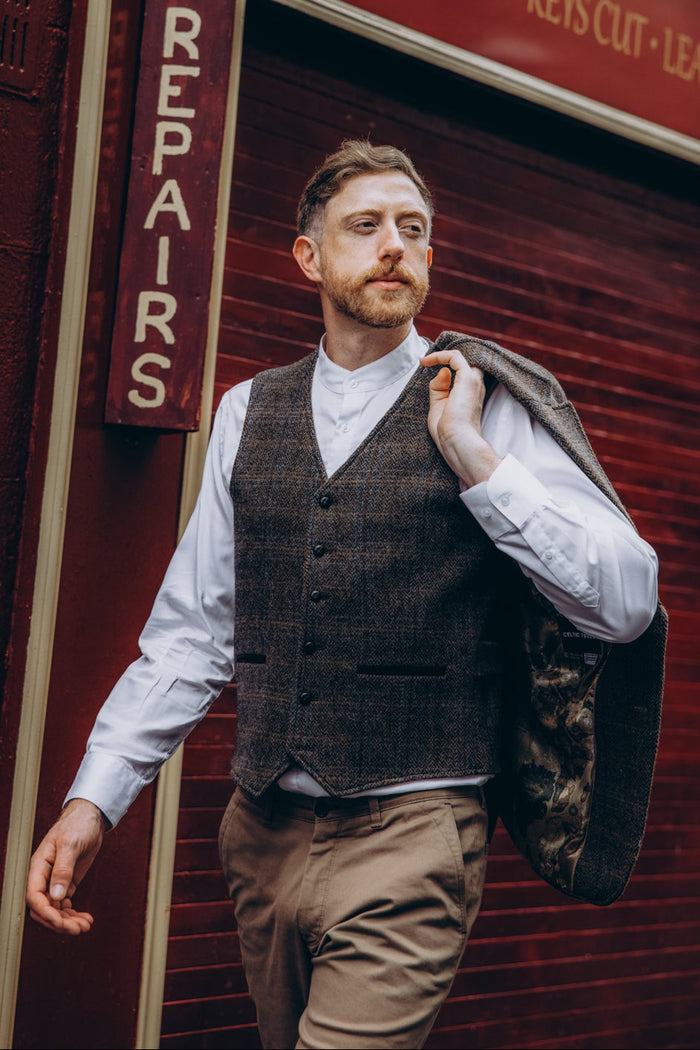
A well designed jacket inspired by heritage outerwear can move easily between city environments, countryside walks, and travel. Layered over knitwear or worn with tailored trousers, the Shackleton style jacket offers both warmth and versatility. The textured character of wool fabrics adds depth to an outfit while maintaining a relaxed sense of refinement. This adaptability reflects the same spirit of practicality that once guided explorers preparing for unpredictable journeys.
The Historical Inspiration Behind Celtic Tweed Designs
Celtic Tweed often looks to history when shaping new collections, drawing inspiration from individuals whose lives reflected courage, creativity, and leadership. Explorers such as Ernest Shackleton represent resilience and determination, qualities that translate naturally into clothing designed to provide comfort and confidence. By connecting heritage inspiration with contemporary design, Celtic Tweed creates collections that reflect both historical storytelling and modern Irish craftsmanship.
History as a Source of Design Inspiration
Across Celtic Tweed collections, historical narratives provide a meaningful foundation for design ideas. By exploring the clothing traditions and experiences of different eras, heritage fabrics such as tweed and wool continue to be interpreted in ways that feel relevant today. The Shackleton Jackets Collection reflects this philosophy by drawing inspiration from one of Ireland’s most respected explorers while presenting outerwear suited to modern life.
Conclusion
The story of Ernest Shackleton reminds us that exploration is not only about reaching new places but about the strength of character required to lead through adversity. His ability to guide his crew through the most challenging conditions remains one of the most admired examples of leadership in modern history. Inspired by that resilience and determination, the Shackleton Jackets Collection reflects a spirit of exploration and confidence while celebrating Irish design and craftsmanship in the present day.