














Constance Markievicz: Inspiration Behind the Constance Tweed Jacket
March 05, 2026
Introduction
Few figures in Irish history represent courage, independence, and conviction as powerfully as Constance Markievicz. A revolutionary leader, political pioneer, and advocate for social justice, Markievicz played a defining role in Ireland’s struggle for independence during the early twentieth century. She was a woman of extraordinary determination who challenged expectations and helped shape the future of the country during a period of profound political change. Her legacy continues to inspire generations because of the strength of character she demonstrated in both public life and personal conviction. At Celtic Tweed, stories such as hers provide a meaningful foundation for design inspiration. The Constance Tweed Jacket reflects the quiet strength and individuality associated with Markievicz’s life while celebrating Irish heritage and thoughtful tailoring.
The Historian Behind the Inspiration
Countess Constance Markievicz remains one of the most influential women in modern Irish history. Born into an Anglo Irish family in the late nineteenth century, she chose a path defined by political activism, cultural engagement, and national identity. Markievicz became closely involved with Ireland’s independence movement and played an active role in the Easter Rising of 1916, an event that reshaped Ireland’s political future. At Celtic Tweed we often look to historical figures whose lives embody resilience and leadership, and Markievicz’s story reflects both. The Constance Tweed Jacket draws inspiration from her strength, independence, and ability to move confidently between different worlds while remaining true to her convictions.
Who Was Constance Markievicz?
Constance Markievicz was born Constance Gore Booth on 4 February 1868 at Lissadell House in County Sligo. Raised in a prominent family, she later studied art in London and Paris before returning to Ireland where she became increasingly involved in cultural and political movements connected to Irish independence. Markievicz joined nationalist organisations including the Irish Citizen Army and played an active role in the Easter Rising of 1916. She was arrested following the rebellion and initially sentenced to death, although the sentence was later commuted to imprisonment. In 1918 she made history by becoming the first woman elected to the British Parliament, although she did not take her seat in Westminster. Instead she joined the revolutionary government of the First Dáil and later became Minister for Labour from 1919 to 1922, making her one of the first female cabinet ministers in modern European politics.
Why Her Legacy Still Matters
The legacy of Constance Markievicz continues to resonate because she challenged the expectations placed upon women during her time and demonstrated that leadership and determination could overcome social barriers. Her political career reflected a commitment to equality, national identity, and social justice. Markievicz believed strongly in the importance of education, workers’ rights, and community welfare. She became a powerful symbol of courage and independence during a period when women rarely held positions of political authority. Today her story remains an important reminder that change often begins with individuals who are willing to challenge convention and stand firmly for their beliefs.
Clothing and Style of the Era
During the late nineteenth and early twentieth centuries clothing often reflected both social status and cultural identity. In Ireland, wool fabrics such as tweed were widely used because they offered warmth and practicality in changing weather conditions. Jackets and coats were carefully tailored to create strong silhouettes while still allowing ease of movement during daily activities. Photographs of the period show individuals wearing structured outerwear combined with practical fabrics suited to both city life and the countryside. These traditions of thoughtful tailoring and natural fabrics remain closely connected to Irish clothing heritage today.
How This Inspired Celtic Tweed
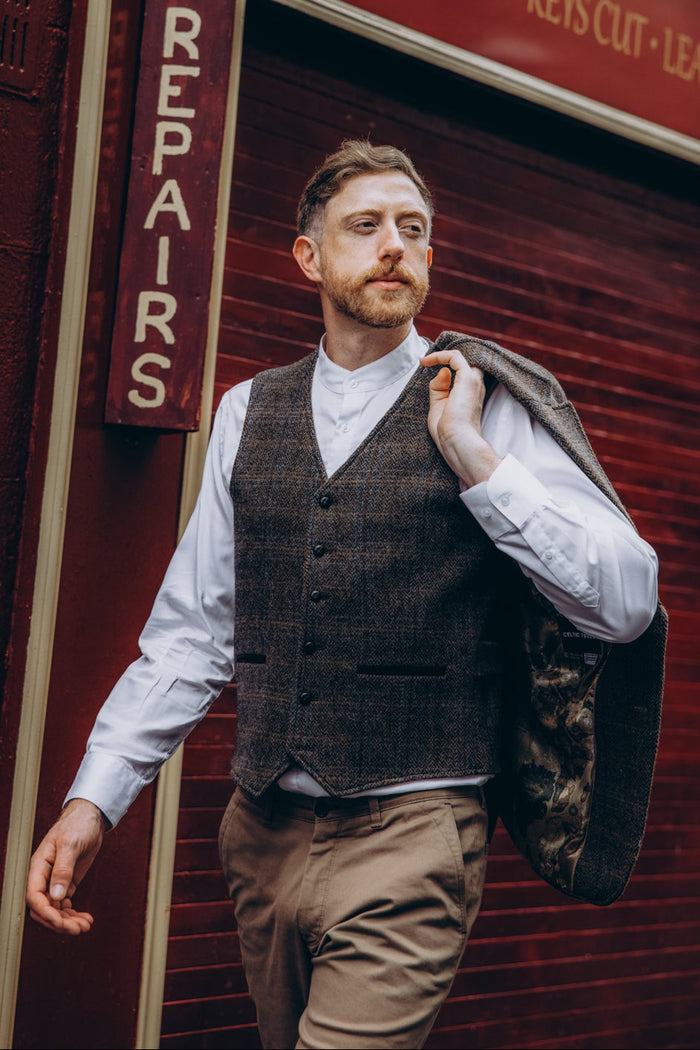
The Constance Tweed Jacket draws inspiration from the quiet confidence and independence associated with Countess Markievicz. Designed, cut, and sustainably handmade in Balbriggan, the jacket combines heritage tweed with modern tailoring to create a piece that balances elegance with practicality. Cable knit sleeves and refined piping details introduce texture and movement while maintaining a structured silhouette. Rather than replicating historical clothing, the design reflects the spirit of individuality and strength that defined Markievicz’s life. The result is a jacket that feels both contemporary and connected to Ireland’s rich cultural history.
Irish Craftsmanship Today
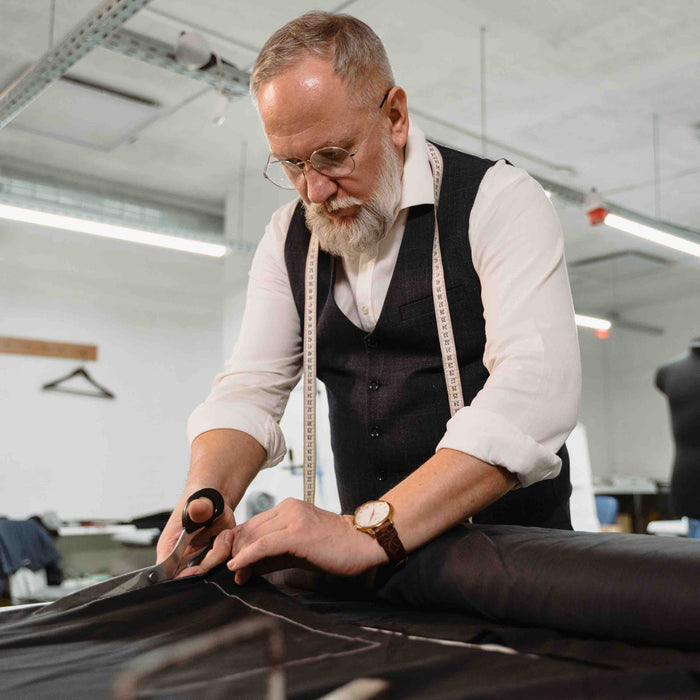
Irish tailoring traditions continue to influence contemporary design through a commitment to quality materials and thoughtful construction. Celtic Tweed reflects this heritage through collections designed in Dublin and informed by Ireland’s long association with wool textiles. The Constance Tweed Jacket represents a continuation of these traditions, combining natural fabrics with skilled tailoring to create clothing that remains relevant across seasons. By drawing inspiration from Irish history while embracing modern design principles, Celtic Tweed ensures that heritage craftsmanship continues to evolve.
Styling the Look Today
A tweed jacket inspired by heritage tailoring offers remarkable versatility in modern wardrobes. It can be layered comfortably over knitwear for relaxed countryside walks or styled with tailored trousers for city settings and social occasions. The textured character of tweed adds depth and individuality while maintaining a sense of refinement. Pieces like the Constance Tweed Jacket reflect the same balance of practicality and elegance that has long defined Irish clothing traditions.
The Historical Inspiration Behind Celtic Tweed Designs
Celtic Tweed collections often draw inspiration from individuals whose lives shaped Irish history and culture. Explorers, writers, revolutionaries, and cultural pioneers all contribute to a wider narrative that informs the brand’s design philosophy. By connecting historical storytelling with modern craftsmanship, Celtic Tweed creates collections that celebrate both heritage and contemporary Irish design.
History as a Source of Design Inspiration
Across Celtic Tweed collections history remains a powerful source of creative inspiration. By exploring the stories of influential figures and the clothing traditions associated with their era, heritage fabrics such as tweed continue to find new relevance in modern wardrobes. The Constance Tweed Jacket reflects this philosophy by drawing inspiration from one of Ireland’s most remarkable women while presenting a design suited to contemporary life.
Conclusion
The story of Constance Markievicz reminds us that courage and conviction can shape the course of history. Her determination to stand for her beliefs and challenge expectations made her one of the most influential figures of Ireland’s independence movement. Inspired by her strength and independence, the Constance Tweed Jacket With Cable Knit Sleeves reflects a spirit of confidence and individuality while celebrating Irish craftsmanship and heritage design.