





Desert or Denim? Choosing the Right Irish Linen Top
April 16, 2026
The Irish Linen Top: Desert and Denim, With or Without Sleeves
A linen top should do more than fill a gap in a wardrobe. It should carry the same level of thought as tailoring, offering shape, movement, and ease in a way that works across different settings. Irish linen has long been used for this purpose, valued not only for its breathability but for how it holds a clean line without feeling restrictive. In top form, it becomes one of the most useful pieces you can rely on through warmer months and beyond. The choice between desert and denim tones, and between sleeveless and 3/4 sleeve, is not simply aesthetic. It shapes how the piece is worn, how often it is reached for, and how it fits into everyday life.
Why Irish linen is the most practical fabric for summer tops
Irish linen is woven from flax fibres that allow air to move freely through the fabric, helping regulate temperature naturally throughout the day. This makes it particularly effective in tops, where the material sits close to the body and needs to remain comfortable over long periods of wear. Unlike synthetic fabrics or lighter cotton blends, linen does not cling or trap heat. It maintains a natural structure, allowing the top to sit cleanly without the need for added weight or internal support. Over time, it softens slightly, becoming more comfortable with wear while still retaining its shape. This balance is what makes Irish linen a reliable choice, not just for occasional summer use, but as a consistent part of a wardrobe.
The difference between desert and denim linen tones
Colour plays a central role in how a linen top is worn. A desert linen top offers a lighter, more neutral approach, reflecting light and pairing easily with softer tones, whites, and natural textures. It works particularly well in daytime settings, travel, and warmer climates where a more relaxed palette feels appropriate. A denim linen top introduces a deeper tone, adding contrast while maintaining the same breathable quality. It carries a slightly more structured presence, making it suitable for both everyday wear and more considered settings. The difference is not in the function of the piece, but in how it is perceived and styled. Desert softens, denim grounds, and both allow for flexibility without changing the core design.
With sleeves or without: choosing the right shape for how you dress
The choice between sleeveless and 3/4 sleeve is shaped by use rather than preference alone. A sleeveless linen top offers the lightest option, particularly suited to warmer days or when layering under lighter outerwear. It allows for complete ease of movement and works well in both casual and more refined settings. The 3/4 sleeve version introduces a different balance, offering coverage while remaining breathable. The turn-up cuff adds a subtle point of structure, giving the sleeve definition without feeling heavy. Both options are designed with the same intent, to create a top that holds its shape while remaining easy to wear throughout the day.
Cut, movement, and why detail matters in a simple piece
A linen top relies on its cut to deliver shape. The pleat back detail allows the fabric to move naturally, creating space without losing form. Side slits support ease of movement, whether walking, sitting, or layering the piece over different bottoms. A dipped back hem adds coverage and balance, allowing the top to sit comfortably across the body without feeling too short or restrictive. These details are not decorative. They are functional decisions that influence how the piece behaves in real situations, ensuring it can be worn repeatedly without becoming uncomfortable or difficult to style.
Fabric, weaving, and the role of Irish heritage
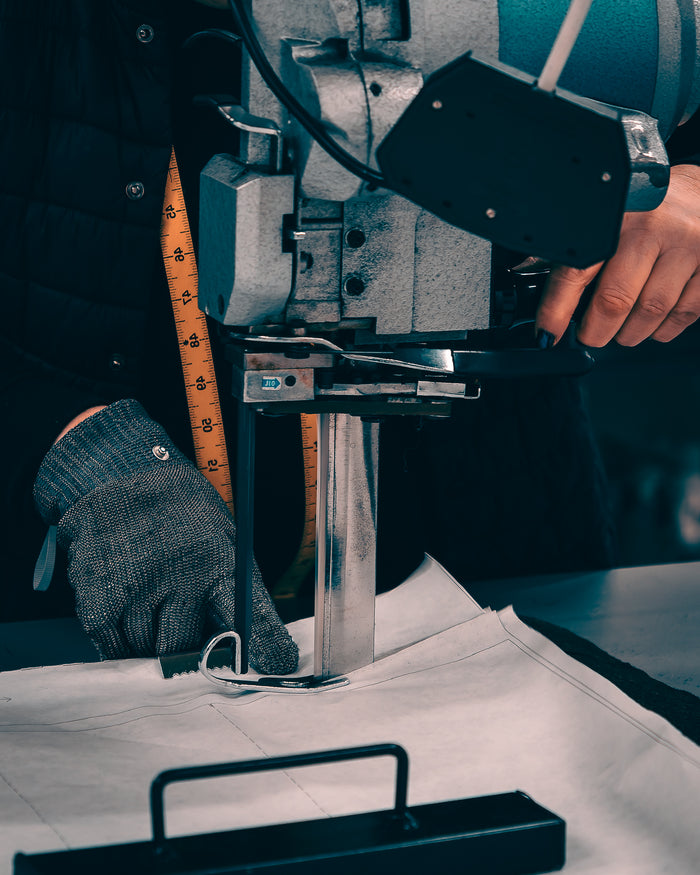
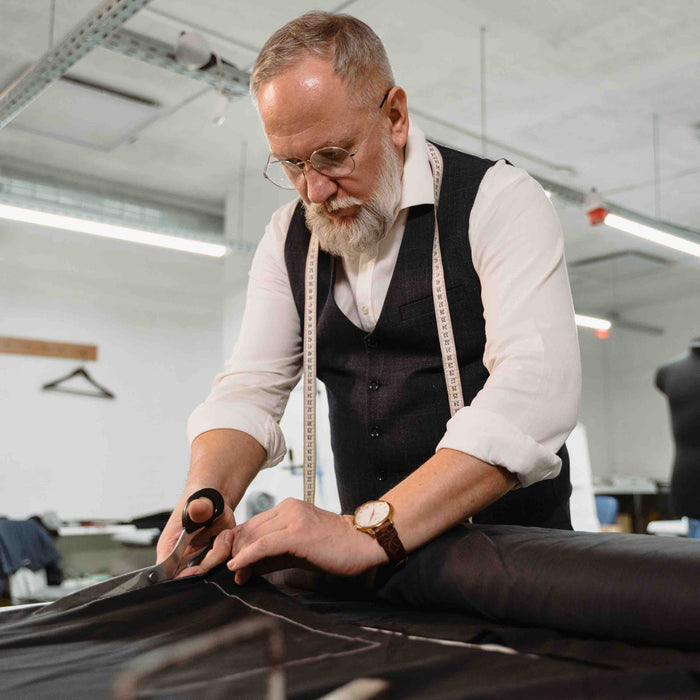
The linen used in each piece is sourced from a heritage mill in Antrim, where over 220 years of expertise in weaving has shaped the quality of the cloth. Yarn-dyed Irish linen is created by dyeing each fibre before it is woven, resulting in a depth of colour that cannot be achieved through surface dyeing alone. This process produces the subtle variation seen in both desert and denim tones, giving the fabric a natural richness that changes slightly in different light. Designed, cut, and handmade in Dublin, each top reflects a connection between material and making, where craftsmanship is not an added feature but the foundation of the piece.
Longevity, sustainability, and why linen improves with wear
Linen is naturally resilient and antibacterial, making it well suited to regular use. It does not require excessive washing and becomes softer over time without losing its structure. This makes it a practical choice for those looking to build a wardrobe that lasts beyond a single season. Rather than wearing out, linen evolves, becoming more comfortable and more individual with each use. This longevity is part of what defines Irish linen, allowing pieces to remain relevant year after year rather than being replaced.
Where a linen top fits in a modern wardrobe
A well-made linen top works across a range of situations. It can be worn casually with denim or linen trousers for everyday use, offering ease without losing shape. It transitions into more considered settings when paired with structured pieces, maintaining a sense of balance without becoming overly formal. It travels well, taking up little space while offering a reliable option that can be worn repeatedly in different ways. This adaptability is what gives it value, allowing it to move between seasons, settings, and styles without needing to be reconsidered. A linen top should not feel like a basic. When designed properly, it becomes a central piece, one that supports how you dress rather than sitting on the edge of a wardrobe. Desert and denim tones, with or without sleeves, simply offer different ways of approaching the same idea, a piece that works consistently, comfortably, and without unnecessary complication.