





Sleeveless Tailoring: Why the Ladies Tweed Gilet Works
March 04, 2026
What Is a Tweed Gilet?
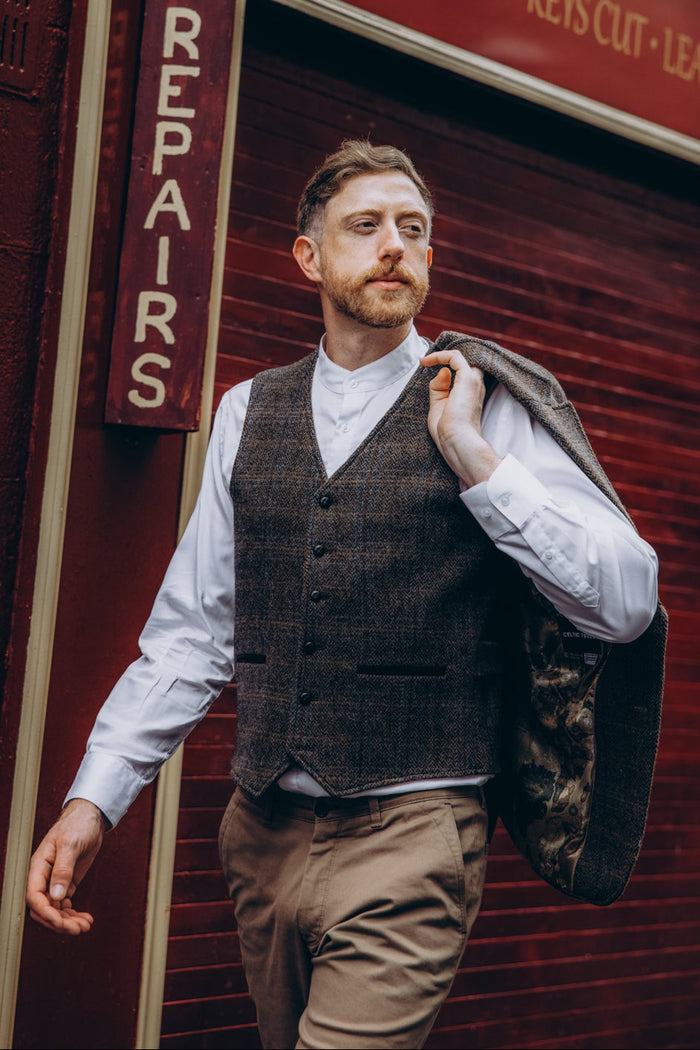
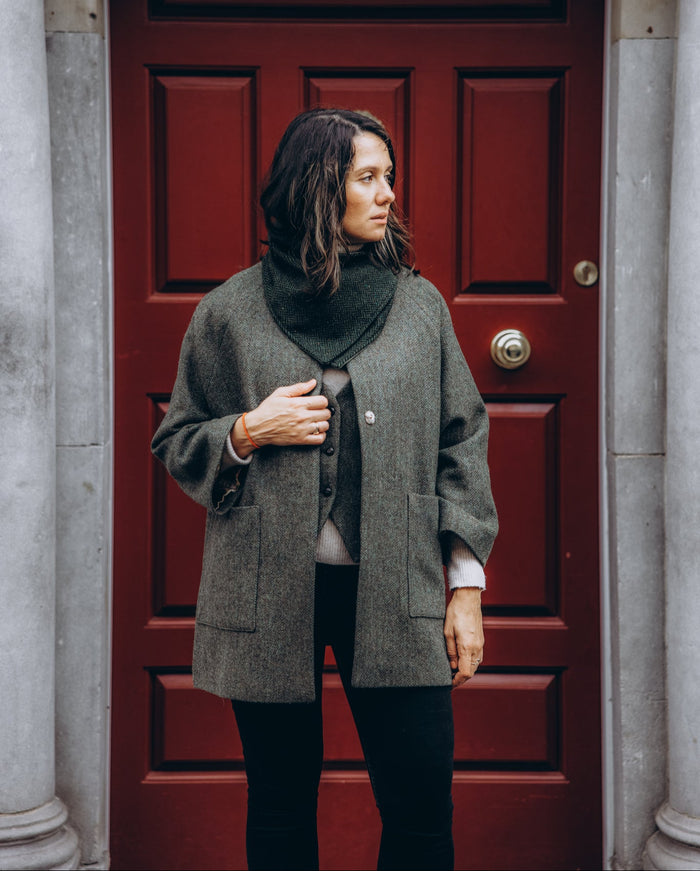
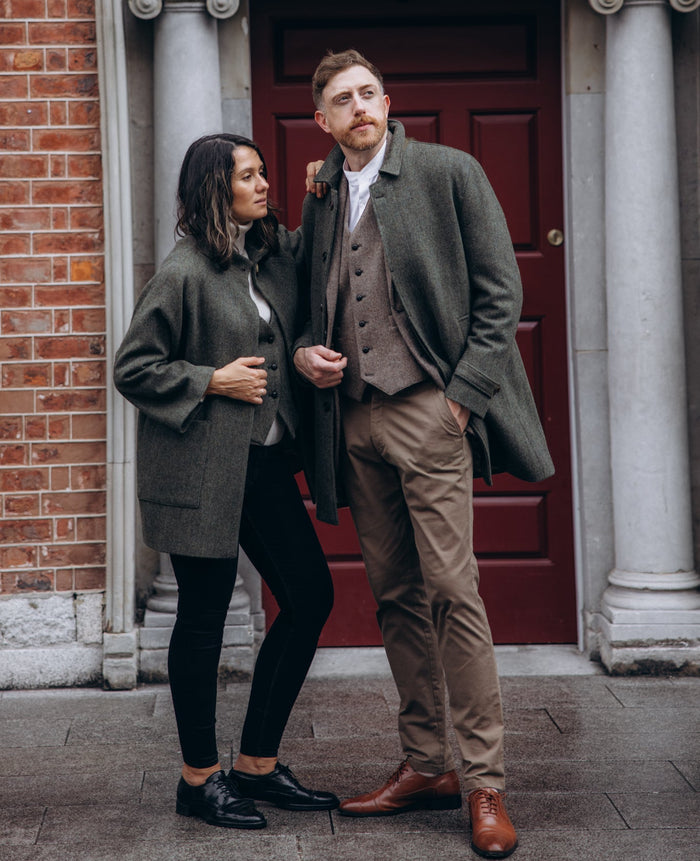
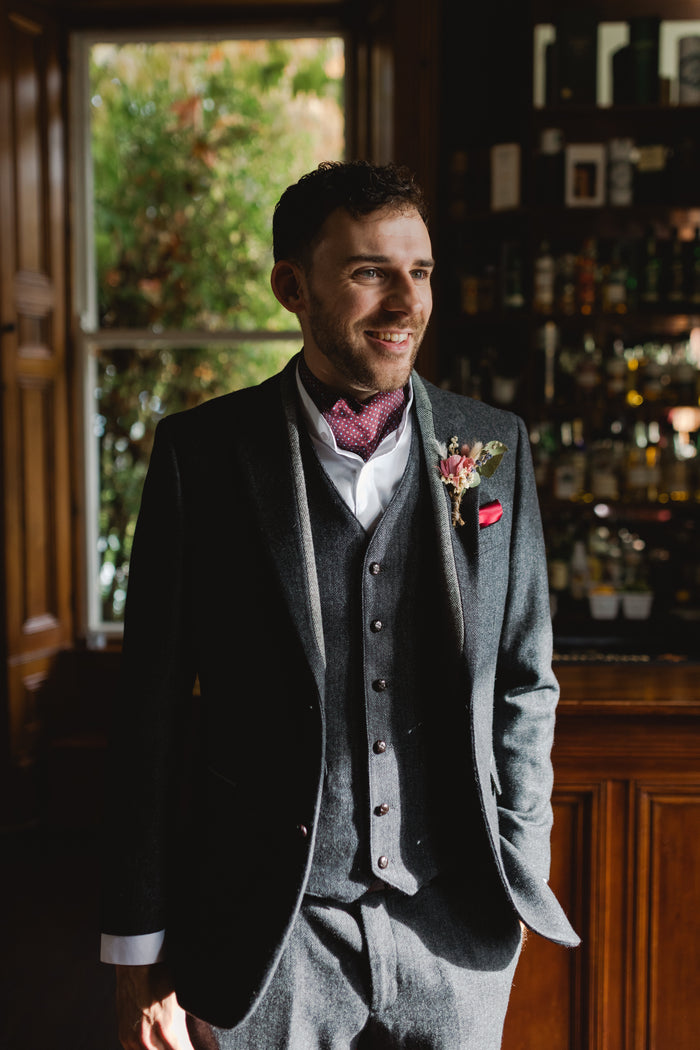
A tweed gilet is a sleeveless tailored layer that sits between a waistcoat and a jacket, offering the structure of tailoring without the weight of full outerwear. Because it leaves the arms free, it allows the clothing beneath to remain visible while still shaping the silhouette of the outfit. This balance is what makes the gilet particularly interesting in modern wardrobes, where clothing often needs to move easily between formal and relaxed settings.
The Origins of Sleeveless Tailoring
Sleeveless tailoring has existed in various forms for generations, often appearing when designers search for ways to simplify traditional clothing. Removing the sleeves from a structured tweed garment reduces weight and allows greater freedom of movement while still maintaining the clarity of the original silhouette. In traditional tailoring, waistcoats served a similar purpose beneath jackets, yet the gilet expanded that idea outward. By introducing length and texture while remaining sleeveless, it created a layer that could function on its own rather than relying on another item above it.
Why Tweed Works So Well in a Gilet
Tweed has long been valued for its ability to carry character without requiring elaborate design. The woven surface introduces natural variation in colour and texture, allowing the cloth itself to define the personality of the piece. This quality makes tweed particularly suited to simple tailoring. When the design of a gilet remains clean and restrained, the fabric provides enough visual interest to keep the piece distinctive without overwhelming the outfit.
The Role of Structure in Everyday Dressing
Many pieces of clothing for women rely heavily on decoration to create impact, yet tailoring often works differently. Instead of relying on embellishment, tailored clothing uses structure and proportion to shape the body. The tweed gilet reflects this approach. Its lines remain clear and balanced, allowing it to introduce definition without appearing rigid or formal. This makes it particularly effective in everyday dressing where clothing needs to feel natural rather than ceremonial.
Why the Sleeveless Design Feels Practical
One of the most noticeable differences between a gilet and a jacket is the freedom created by the sleeveless design. Without sleeves restricting the arms, movement feels easier and more natural. This allows the piece to adapt to everyday activities such as walking, travelling, or simply moving through the day. At the same time the gilet continues to provide warmth and texture across the body, ensuring the outfit remains visually composed.
The Quiet Confidence of Simple Design
Clothing that remains relevant across decades often shares one characteristic: restraint. Pieces that rely on clear design rather than temporary trends tend to integrate more easily into a wardrobe. The tweed gilet reflects this philosophy. By focusing on proportion, texture and movement rather than decoration, it becomes a piece that supports an outfit rather than dominating it.
Where the Gilet Fits in a Wardrobe
Because the gilet sits between outerwear and tailoring, it often becomes one of the most adaptable layers in a wardrobe. It can sit comfortably over a shirt in place of a light jacket or layer over knitwear during cooler weather. The absence of sleeves means the piece never feels restrictive, allowing the wearer to move easily while still benefiting from the warmth and presence of tweed.
Why Designers Continue Returning to the Gilet
Fashion regularly revisits certain ideas because they solve practical problems. The gilet remains one of those ideas. It provides warmth without heaviness, structure without rigidity, and texture without excess decoration. These qualities explain why sleeveless tailoring continues to appear in both traditional and contemporary wardrobes.
A Tailored Layer That Lasts
The appeal of the tweed gilet lies in its balance. It carries the language of tailoring while remaining relaxed enough for everyday life. By combining texture, proportion and practicality, the piece demonstrates how thoughtful design can remain relevant long after passing trends have disappeared.