





Desert and Denim Irish Linen Dresses: The Summer Dress Simplified
April 16, 2026
Women’s Irish Linen Dresses: Desert and Denim Styles for Summer and Beyond
A well-cut linen dress answers a practical question. How do you dress for warmer conditions without compromising on shape, comfort, or presence. Irish linen has long been used for this purpose, valued for its ability to remain breathable while still holding a clean line through the body. In dress form, it becomes one of the most reliable pieces you can wear through changing temperatures, long days, and different settings. Desert tones and denim bring two distinct approaches to the same idea, each grounded in ease, movement, and a considered approach to everyday dressing.
Why Irish linen works so well for dresses in warm weather
Irish linen is woven from flax fibres that allow air to pass naturally through the fabric, helping regulate temperature without relying on synthetic blends or lightweight substitutes. This makes it particularly effective in dresses, where the fabric sits directly against the body for extended periods of time. Unlike heavier materials, linen does not trap heat or cling uncomfortably. It holds a natural structure, meaning the dress keeps its shape without needing internal support or layering. Over time, it softens slightly, becoming more comfortable with wear while still maintaining its form. This balance between breathability and structure is what makes Irish linen dresses suitable not just for occasional use, but for regular wear throughout the season.
The difference between desert linen and denim linen tones
Colour plays a significant role in how a linen dress feels and functions. A desert linen dress introduces a softer, more neutral tone that reflects light and works easily in warmer settings. It pairs naturally with lighter footwear and accessories, making it particularly suited to daytime wear, travel, and outdoor occasions. A denim linen dress offers a more grounded alternative, with a deeper tone that adds a sense of structure while still retaining the lightness of the fabric. It transitions more easily into evening or city settings, where a slightly stronger colour feels more appropriate. Both options share the same foundation in Irish linen, but they allow for variation in how the piece is worn and where it fits within a wardrobe.
Designed for ease: why overhead dresses work better in real life
An overhead linen dress removes unnecessary complexity. Without zips or buttons, it allows for a cleaner line and a more natural fit. This approach also makes the dress easier to wear throughout the day, particularly in warmer conditions where simplicity matters. The fabric falls from the shoulder, shaped through a gathered waist that adds definition without restricting movement. Side slits allow for ease of walking and sitting, while maintaining the overall structure of the dress. This is not about minimalism for its own sake, but about removing elements that do not improve how the piece performs in real situations.
Two silhouettes, one purpose: sleeveless and 3/4 sleeve options
The choice between sleeveless and 3/4 sleeve comes down to how the dress is worn. A sleeveless linen dress offers the lightest option, particularly suited to warmer days or layering under lighter outerwear when needed. It allows for complete freedom of movement and works well in both relaxed and more refined settings. The 3/4 sleeve version introduces a different balance, offering coverage while remaining breathable. The sleeve can be worn turned up, finished with a subtle bow detail that adds a point of interest without overwhelming the piece. Both styles are designed to deliver the same core function, a structured but easy dress that works across different conditions.
Details that change how the dress is worn
Practical details are what make a linen dress wearable beyond a single occasion. Side pockets allow for everyday use without compromising the line of the dress. Satin binding on the interior seams ensures a clean finish against the skin, reinforcing comfort as well as construction. The gathered waist provides shape without relying on tightness, allowing the dress to move naturally with the body. These are not decorative additions. They are considered choices that support how the dress is worn over time, whether for travel, work, or everyday use.
Made in Ireland: craftsmanship and longevity
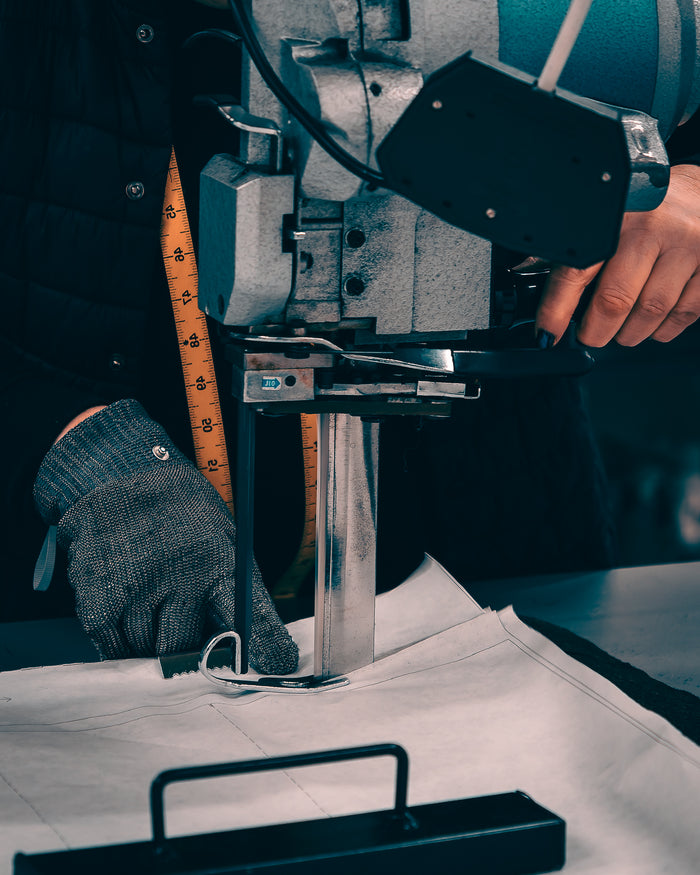
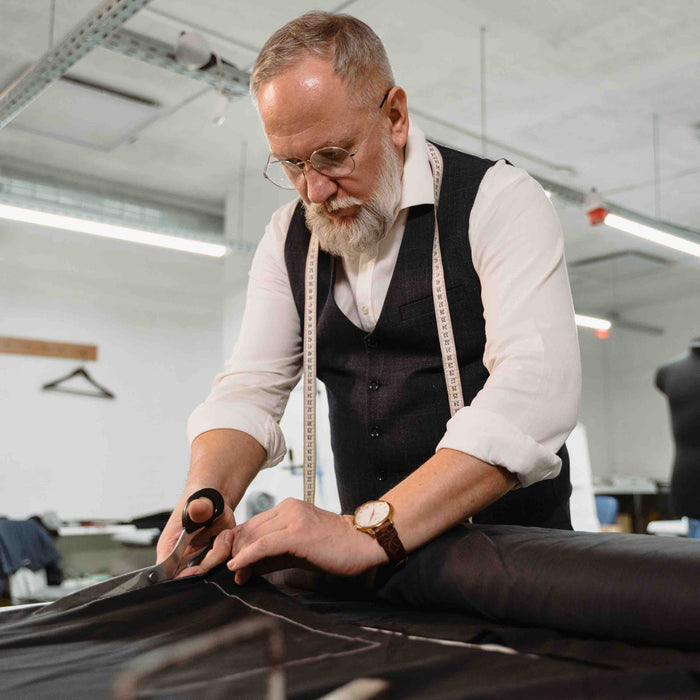
Each Irish Linen dress is designed, cut, and handmade in Dublin, where the focus remains on creating pieces that hold their place in a wardrobe over time. Irish linen is not a fabric that wears out quickly. It improves with use, becoming softer and more individual with each wear. This is what gives the dress its longevity. It is not tied to one season or one moment. It becomes part of a regular rotation, worn repeatedly in different ways without losing its purpose. This approach to making reflects a broader understanding of clothing, where quality, material, and construction are valued over short-term trends.
Where a linen dress fits in a modern wardrobe
A linen dress works across more situations than most summer pieces. It can be worn during the day with minimal styling, offering ease and comfort without sacrificing structure. It transitions into evening with simple adjustments, maintaining its shape and presence without needing to be changed entirely. It travels well, taking up little space while offering a complete outfit in one piece. It also suits occasions where a lighter approach to dressing is needed, from informal gatherings to more considered settings. This flexibility is what makes it a reliable choice, one that can be returned to without needing to be rethought each time. An Irish made Irish linen dress does not try to do everything. It focuses on doing one thing properly, offering a balance of structure, breathability, and ease that works in real life. Desert and denim tones simply provide different ways of approaching that same idea, allowing you to choose based on how you dress rather than changing how you dress entirely.