





The Complete Guide to Women’s Irish Linen Clothing
April 16, 2026
The Complete Guide to Women’s Irish Linen Clothing
Irish linen has held its place in clothing for centuries not because of tradition alone, but because it solves practical problems in a way few other fabrics can. It is breathable without feeling insubstantial, structured without relying on weight, and capable of improving with wear rather than declining. In women’s clothing, these qualities become particularly valuable, allowing pieces to move between seasons, settings, and uses without needing to be replaced. Understanding Irish linen properly means looking beyond surface-level descriptions and focusing on how it behaves, how it is made, and why it continues to be used in tailoring, dresses, and everyday wear.
What is Irish linen and why is it considered the best
Irish linen is made from flax, a natural fibre that has been grown and processed for generations. What defines it is not just the fibre itself, but the expertise behind how it is spun, dyed, and woven. In Ireland, particularly in regions such as Antrim, linen production has been shaped by over two centuries of craftsmanship, with mills refining techniques that prioritise strength, consistency, and finish. Yarn-dyed Irish linen, where fibres are dyed before weaving, produces a depth of colour that cannot be achieved through surface dyeing. This results in subtle variation across the fabric, giving it a natural richness that changes in different light. It is this combination of material and process that sets Irish linen apart, creating a fabric that performs well while maintaining a distinct visual identity.
Why linen works better than cotton or wool in warmer conditions
Linen behaves differently to both cotton and wool because of the structure of the flax fibre. It allows air to pass through more freely, helping regulate temperature rather than trapping heat. Cotton can feel soft initially but tends to retain moisture, while wool, even in lighter forms, carries more weight and insulation. Linen offers a middle ground, remaining light against the skin while still holding a clear shape. This makes it particularly effective in pieces that sit close to the body, such as tops and dresses, as well as in tailored clothing where structure is required without added bulk. For summer wear, this difference becomes immediately noticeable, particularly during longer periods of use or in environments where temperature shifts throughout the day.
How Irish linen is made: fibre, weaving, and finishing
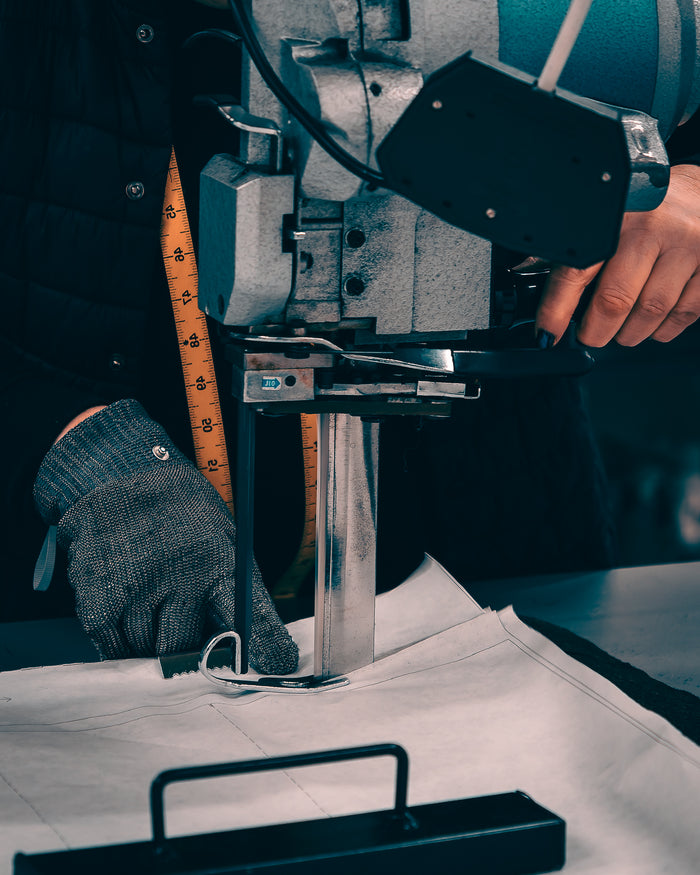
The process of creating Irish linen begins with flax, which is harvested, retted, and spun into yarn before being carefully dyed and woven. Yarn dyeing is a defining step, allowing each fibre to carry colour before the cloth is formed, which gives linen its subtle depth and variation. The weaving process determines both the texture and weight, balancing strength with flexibility so the fabric can hold its shape while remaining comfortable to wear. Finishing enhances the feel without masking the natural qualities of the fibre, ensuring the linen retains its breathability and character. This process relies on precision and time, with each stage contributing to a fabric that is consistent, refined, and built to perform in real conditions.
What makes Irish linen clothing different from fast fashion linen
Not all linen is equal. Lower-grade linen often relies on shorter fibres, which can lead to a rougher texture and reduced longevity, and is frequently blended with synthetics that compromise breathability. Irish linen uses longer fibres and a more considered production process, resulting in a fabric that feels smoother, holds its structure more reliably, and improves with wear. The difference becomes clear over time. Higher-quality linen softens without losing its integrity, while lower-grade alternatives can weaken or lose shape. This is why well-made linen clothing remains part of a wardrobe for years rather than being replaced after a single season.
How women’s Irish linen clothing should fit
Fit in linen clothing is defined by balance rather than tightness. The fabric does not stretch in the way synthetic materials do, so the cut must allow for natural movement while maintaining a clean line. In tailored pieces such as blazers and waistcoats, the shape should follow the body without pulling or restricting, sitting neatly through the shoulders and waist. In linen dresses and linen tops, the fabric should fall cleanly, supported by elements such as pleats, gathered waists, or side slits that allow movement without losing structure. A well-fitting linen piece should feel easy from the moment it is worn, moving with the body rather than against it, and requiring no adjustment throughout the day.
Key pieces in a women’s Irish linen wardrobe
A complete linen wardrobe is built around a small number of well-considered pieces that can be worn in multiple ways. A linen blazer offers structure without weight, making it suitable for work, travel, and events where a more defined look is needed. A linen waistcoat provides a lighter alternative to layering, working as a standalone piece in warmer conditions. Dresses offer ease and versatility, particularly overhead styles that remove unnecessary complexity while maintaining shape. Linen tops, whether sleeveless or with 3/4 sleeves, provide reliable options for everyday wear, pairing easily with both linen and denim. Linen Capes introduce a lightweight layer that can be worn over dresses without adding weight, offering coverage while maintaining breathability. Together, these pieces create a system that supports a wide range of uses without requiring constant change.
How to build a wardrobe around Irish linen
Building a wardrobe around linen is less about quantity and more about cohesion. Neutral tones such as desert and silver provide a foundation, allowing pieces to be combined easily across different outfits. Deeper tones such as denim or navy introduce contrast, adding structure without disrupting the overall palette. This approach allows for repeat wear, where the same pieces can be styled differently depending on the setting. Linen supports this naturally, as its texture and movement allow it to adapt without feeling repetitive. The result is a wardrobe that feels consistent and considered, rather than overbuilt or seasonal.
When and where to wear Irish linen clothing
Irish linen clothing works across more situations than most fabrics allow. It can be worn in everyday settings, offering comfort and ease without losing shape. It suits travel, where lightweight pieces that can be worn repeatedly are essential. It also performs well in events, particularly in warmer conditions where traditional tailoring can feel too heavy. In work environments, it offers a more relaxed approach to dressing while still maintaining a sense of structure. This flexibility is what gives linen its value, allowing it to move between different contexts without needing to be reconsidered.
How to care for Irish linen properly
Caring for linen is straightforward but requires a considered approach. It benefits from gentle washing and should be allowed to air dry where possible to preserve its natural qualities. Overwashing is unnecessary, as linen is naturally antibacterial and resistant to odour. With time, the fabric softens, becoming more comfortable without losing its structure. This is part of its appeal, as it evolves with use rather than wearing out quickly. Proper care ensures that linen clothing remains in good condition, allowing it to be worn repeatedly over many seasons without losing its integrity.
Sustainability and longevity in linen clothing
Linen is one of the more sustainable natural fibres, requiring fewer resources to produce compared to many alternatives. Its strength means it does not need to be replaced frequently, reducing overall consumption. This aligns with a more considered approach to clothing, where pieces are chosen for their longevity rather than short-term use. Irish linen, with its focus on quality and craftsmanship, supports this by offering clothing that remains relevant over time. It is not about constant replacement, but about building a wardrobe that continues to perform.
Irish craftsmanship and the role of place
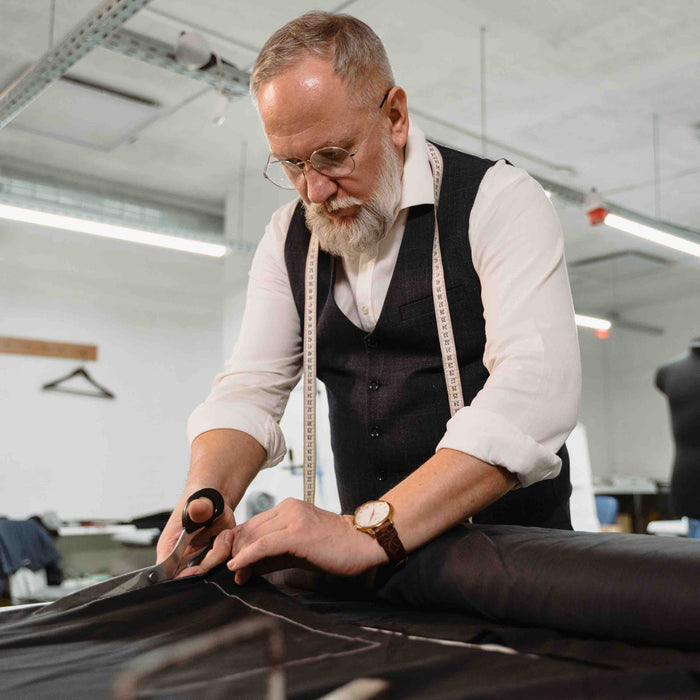
Designed, cut, and handmade in Dublin, with fabric sourced from heritage mills in Antrim, Irish linen clothing reflects a connection between material and place. The knowledge behind the fabric and the skill involved in making each piece contribute to its overall quality. This is built over time through experience and attention to detail, rather than speed or volume. The result is clothing that carries consistency and reliability, shaped by the people and processes behind it.
Why Irish linen continues to matter today
In a market where clothing is often produced quickly and replaced frequently, Irish linen offers a different approach. It prioritises material, construction, and long-term use over short-term appeal. This is why it continues to hold relevance, not just as a heritage fabric, but as a practical choice for modern dressing. It works because it is grounded in function, allowing clothing to be worn comfortably, repeatedly, and across different situations without losing its value. Irish linen is not defined by a single piece or moment. It is defined by how it fits into everyday life, offering a way of dressing that feels considered, adaptable, and built to last.