







Daniel O’Connell: Inspiration Behind the Liberator Line Tweed Coats
March 05, 2026
Introduction
Few figures in Irish history command the same respect and admiration as Daniel O'Connell. Known widely as “The Liberator,” O’Connell reshaped Ireland’s political landscape during the nineteenth century through determination, principle, and an unwavering belief in peaceful reform. His leadership helped secure Catholic Emancipation in 1829, granting Irish Catholics the right to sit in Parliament after centuries of exclusion. What made O’Connell remarkable was not only his political success but the authority with which he carried himself. He represented a new confidence in Irish identity during a period when dignity and self belief mattered profoundly. At Celtic Tweed we often draw inspiration from figures whose lives reflected courage and conviction, and O’Connell’s legacy speaks directly to the values of strength, integrity, and quiet leadership that define the Liberator Line of men’s tweed coats.
The Historian Behind the Inspiration
Daniel O’Connell remains one of the most compelling figures in Ireland’s political and cultural history. Born in County Kerry in the late eighteenth century, he rose to become a formidable advocate for civil rights and national dignity during a time when Ireland was governed under British rule. His leadership style was defined not by aggression but by persuasion, intelligence, and a deep understanding of law and public sentiment. At Celtic Tweed we often look to history when shaping new designs, drawing inspiration from individuals whose presence carried both authority and purpose. The character of Daniel O’Connell inspired the Liberator Line of men’s tweed coats, a collection that reflects composure, confidence, and understated strength. Much like the man himself, these tweed city coats represent a quiet form of authority that does not need to announce itself loudly in order to be recognised.
Who Was Daniel O’Connell?
Daniel O’Connell was born on 6 August 1775 in Carhan near Cahersiveen in County Kerry and went on to become one of the most influential political leaders in modern Irish history. Educated at Catholic schools in France before the upheaval of the French Revolution forced his return to Ireland, he later studied law in London and Dublin and was called to the Irish Bar in 1798. O’Connell quickly developed a reputation as a powerful orator and a formidable legal mind. His greatest achievement came through his leadership of the campaign for Catholic Emancipation, which successfully pressured the British government to allow Catholics to serve as Members of Parliament in 1829. Beyond this milestone he continued to advocate for Irish self government, social reform, and religious equality throughout his life. His peaceful methods of political mobilisation, including the famous mass gatherings known as “monster meetings,” demonstrated that change could be achieved through organised public pressure rather than violence. This approach earned him the title “The Liberator,” a name that remains closely associated with his legacy today.
Why His Legacy Still Matters
Daniel O’Connell’s legacy continues to resonate because he proved that determined leadership and moral conviction can alter the course of a nation’s history. At a time when political rights were deeply restricted, O’Connell demonstrated that persistence, organisation, and public support could bring about meaningful reform. His influence extended beyond legislation, helping to cultivate a renewed sense of Irish identity and confidence among people who had long been marginalised. In many ways O’Connell embodied the qualities of leadership that remain admired today. He combined intellectual authority with a calm, composed presence and an ability to command attention without theatricality. This quiet strength is part of what makes his legacy so enduring. His story reminds us that true authority often comes from principle and character rather than force, a quality that continues to inspire cultural expression, leadership, and even the design philosophy behind heritage clothing collections that honour figures of historical significance.
Clothing and Style of the Era
During the late eighteenth and early nineteenth centuries, clothing reflected both social standing and the practical realities of everyday life. For professionals such as lawyers, politicians, and public speakers, outerwear carried particular importance. Coats were designed to project authority, refinement, and composure in public settings while also providing warmth in Ireland’s often unpredictable climate. Heavy wool fabrics were commonly used because they provided durability and protection against cold winds and rain. Tailored coats were structured and purposeful in their design, with clean lines and careful construction that reflected the formal expectations of the period. For public figures such as Daniel O’Connell, clothing also communicated credibility and presence when addressing large crowds or speaking within formal political environments. These traditions of practical tailoring and durable fabrics would later become closely associated with Irish tweed, a textile that combines warmth, resilience, and distinctive character.
How This Inspired Celtic Tweed
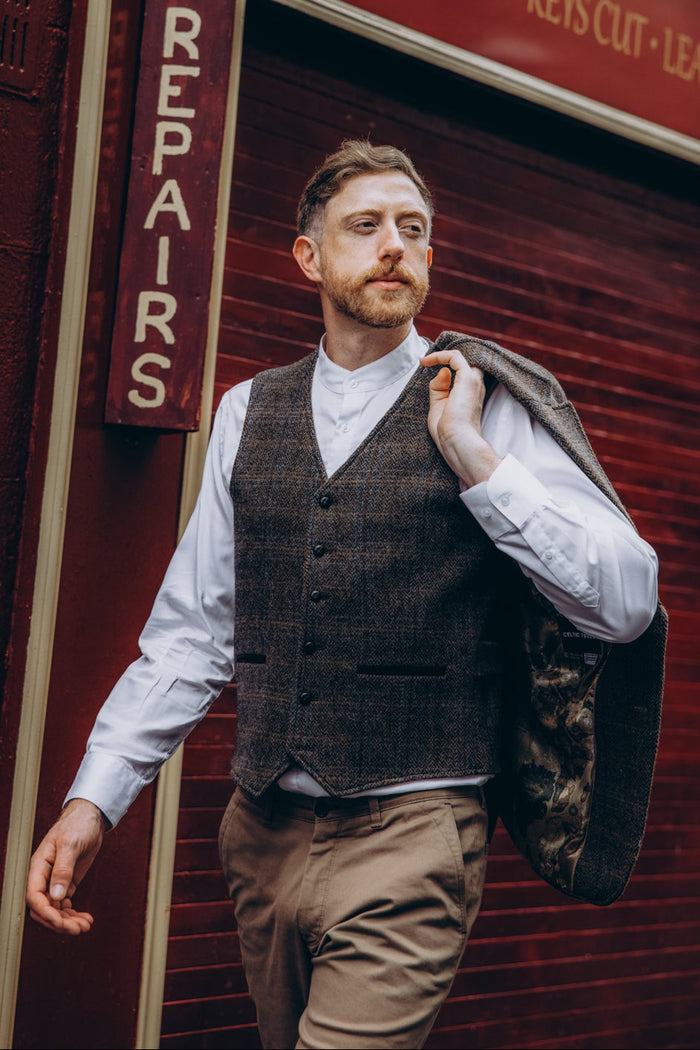
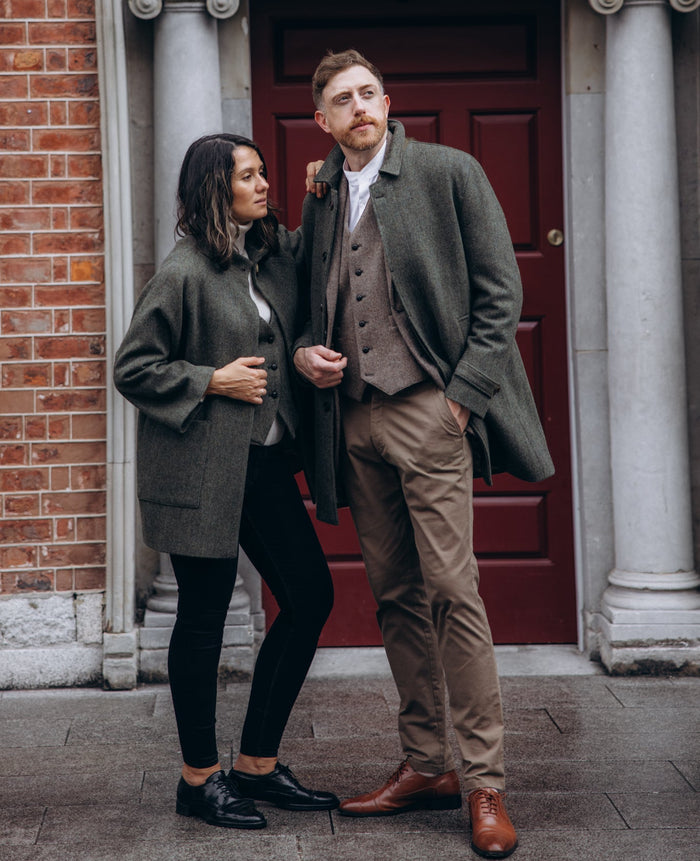
The Liberator Line of men’s tweed coats draws inspiration from the calm authority associated with Daniel O’Connell’s public life. Rather than dramatic styling or fleeting trends, the collection focuses on strong structure, refined tailoring, and dependable wool fabrics that reflect the enduring practicality of heritage outerwear. Tweed coats in this collection are designed to offer both presence and versatility, echoing the sense of confidence that defined O’Connell’s leadership. The intention is not to recreate nineteenth century clothing but to reinterpret the spirit of that era through contemporary Irish tailoring. By combining classic tweed textures with modern fit and thoughtful construction, the Liberator Line pays tribute to a figure whose influence shaped Irish identity while creating coats suited to modern life.
Irish Craftsmanship Today
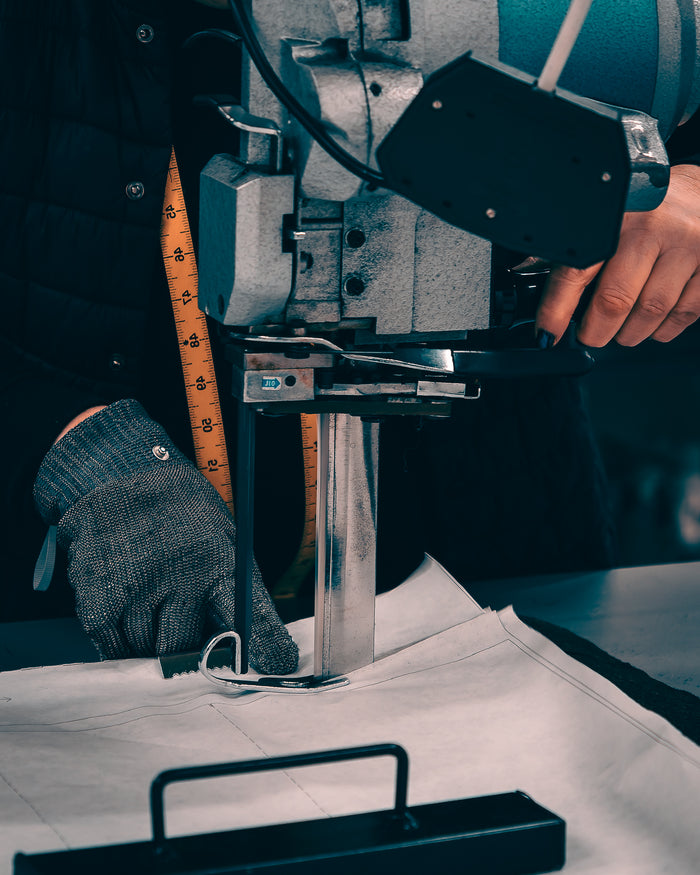
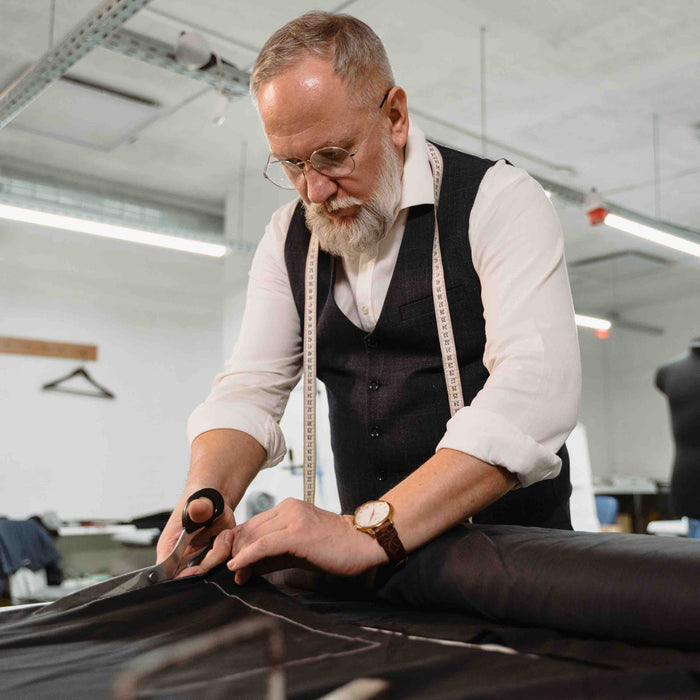
Celtic Tweed continues Ireland’s tradition of thoughtful tailoring through careful design and attention to detail. The Liberator Line of coats is designed in Balbriggan, a historic coastal town north of Dublin that has long been associated with textile craftsmanship. Each coat is created with resilence and longevity in mind, using premium wool fabrics that provide warmth and resilience throughout the colder months. Irish tailoring traditions have always valued practicality alongside refinement, ensuring that clothing performs well in changing weather while maintaining a polished appearance. This philosophy continues today through collections that emphasise quality materials, careful construction, and a respect for heritage design. By combining traditional inspiration with contemporary tailoring, Celtic Tweed creates pieces that reflect Ireland’s design history while remaining relevant for modern wardrobes.
Styling the Look Today
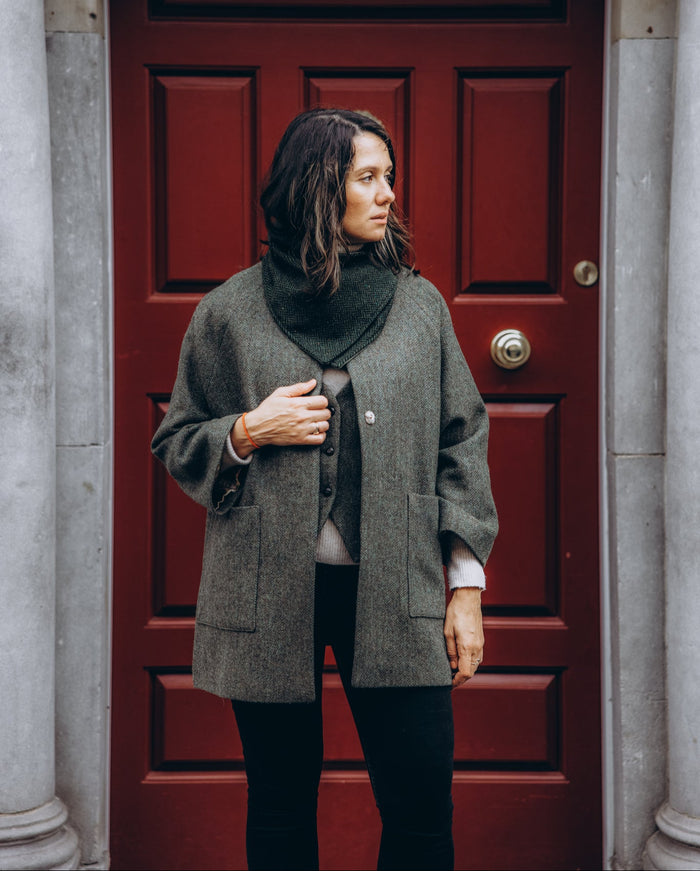
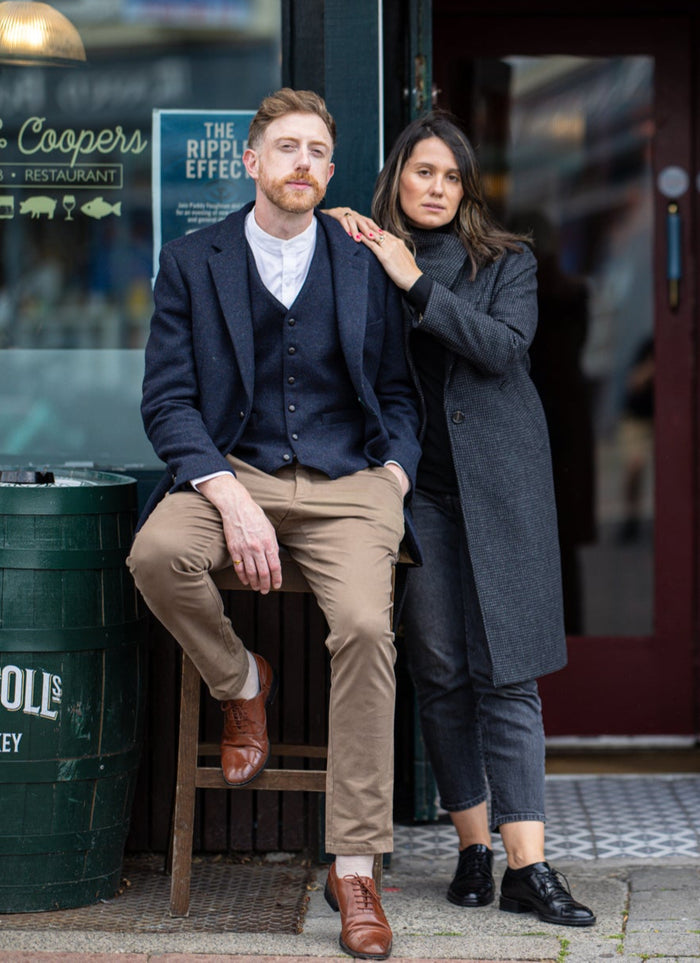
Men’s tweed coats remain one of the most versatile pieces in a modern wardrobe, easily moving between professional settings, city life, and countryside travel. A well tailored tweed coat pairs naturally with structured trousers and a shirt for a refined business look, while also working effortlessly with knitwear and denim for more relaxed occasions. The textured nature of tweed adds depth and character to an outfit without feeling overly formal, making it particularly suited to Ireland’s climate and lifestyle. Whether worn during a winter walk through the countryside or layered over tailoring for city events, tweed coats continue to offer both warmth and understated refinement. This balance of practicality and style is precisely what has allowed tweed to remain relevant across generations.
The Historical Inspiration Behind Celtic Tweed Designs
Celtic Tweed frequently draws inspiration from remarkable figures in Irish and global history whose lives embodied resilience, independence, and character. Explorers, writers, revolutionaries, and cultural leaders have all played a role in shaping Ireland’s identity, and their stories often inform the design philosophy behind Celtic Tweed collections. By exploring the values associated with these individuals, the brand connects historical inspiration with contemporary Irish craftsmanship. This approach allows each collection to carry a deeper narrative, linking heritage design with the enduring personalities who helped shape Ireland’s cultural and political landscape.
History as a Source of Design Inspiration
Across the Celtic Tweed collections many designs are influenced by historical figures whose lives were defined by courage, leadership, creativity, and exploration. Studying the clothing traditions and social context of different eras allows these influences to be interpreted through modern tailoring. Tweed and linen fabrics remain central to this approach because they represent strength, practicality, and a connection to Ireland’s textile heritage. By drawing inspiration from historical stories and cultural milestones, Celtic Tweed continues to reinterpret heritage fabrics in ways that feel relevant for modern life while honouring the past.
Conclusion
The story of Daniel O’Connell reminds us that leadership does not always rely on dramatic gestures or loud declarations. Often it is the steady confidence of principle and the strength of conviction that leave the greatest impact. The Liberator Line of men’s tweed coats reflects that same philosophy through thoughtful design, strong materials, and an understated sense of authority. Inspired by one of Ireland’s most influential figures, these coats honour the legacy of a man who helped shape the nation’s political future while also celebrating the enduring craftsmanship and heritage that continue to define Irish design today.