











James Larkin and the Grey Hunting Tweed Jacket & Waistcoat
March 16, 2026
Introduction
James Larkin remains one of the most recognisable figures in Irish labour history, remembered for his powerful voice in the struggle for workers’ rights in the early twentieth century. His leadership helped shape a new era of trade union organisation and social reform in Ireland. Larkin’s story is closely connected to the working life of Dublin and the wider industrial world of the time. Heritage tailoring often reflects the landscapes, occupations and communities that define a period in history. The grey hunting tweed jacket and waistcoat from Celtic Tweed take inspiration from that historical context, combining traditional pattern and colour with a design rooted in craftsmanship.
Who Was James Larkin?
James Larkin was an Irish trade union leader and labour activist who lived from 1876 to 1947. Born in Liverpool to Irish parents from County Armagh, he later became one of the most important figures in the Irish labour movement. Larkin founded the Irish Transport and General Workers’ Union in 1909 and played a central role in organising workers across several industries. He is most widely remembered for his leadership during the 1913 Dublin Lockout, a major industrial dispute between workers and employers that became a defining moment in Irish labour history.
The Story Behind the Inspiration
Larkin was known for his passionate speeches and ability to mobilise large groups of workers during a period of social inequality and industrial hardship. His activism focused on improving working conditions, wages and dignity for labourers who often faced long hours and insecure employment. The 1913 Dublin Lockout, in which thousands of workers were locked out of their jobs during a dispute with employers, brought international attention to the labour movement in Ireland. Larkin’s influence helped strengthen trade union organisation and contributed to the broader development of labour politics in Ireland during the early twentieth century.
Clothing and Style of the Era
In the early twentieth century, everyday clothing reflected the realities of industrial and urban life. Many working men wore practical wool jackets and waistcoats that provided warmth and resilience in changing weather. Tweed fabrics were widely used across Britain and Ireland for their textured weave and natural tones, often incorporating subtle checks or patterns. Grey shades were particularly common, offering a neutral and versatile colour that suited both work and daily life. Tailored jackets paired with waistcoats created a structured yet practical look that remained a defining feature of men’s clothing during this period.
How This Inspired the Celtic Tweed Jacket and Waistcoat
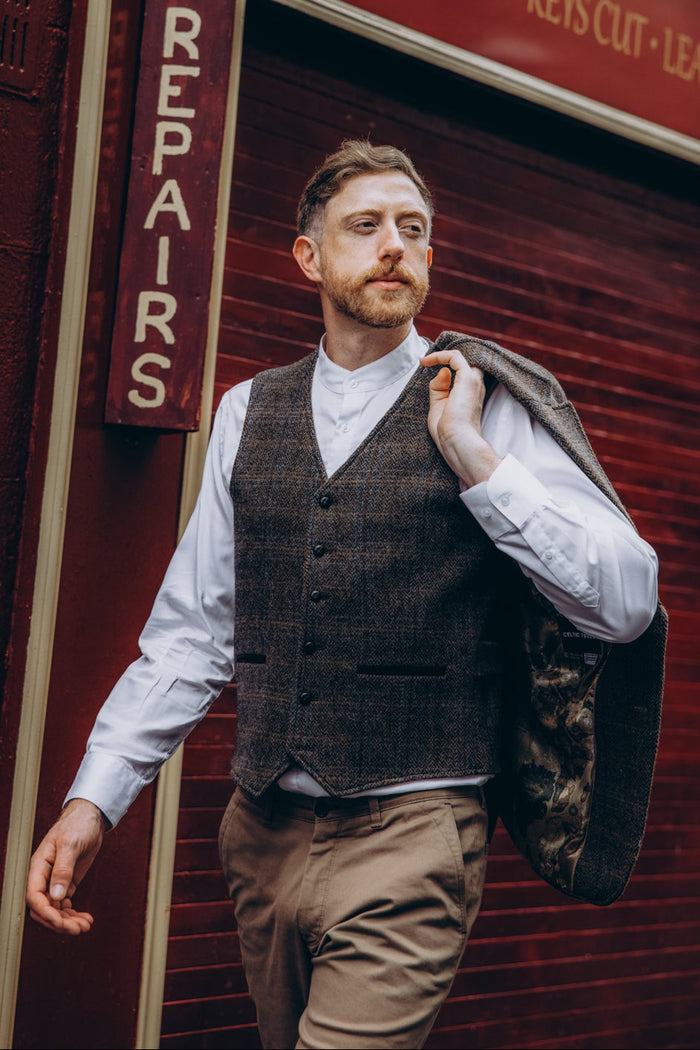
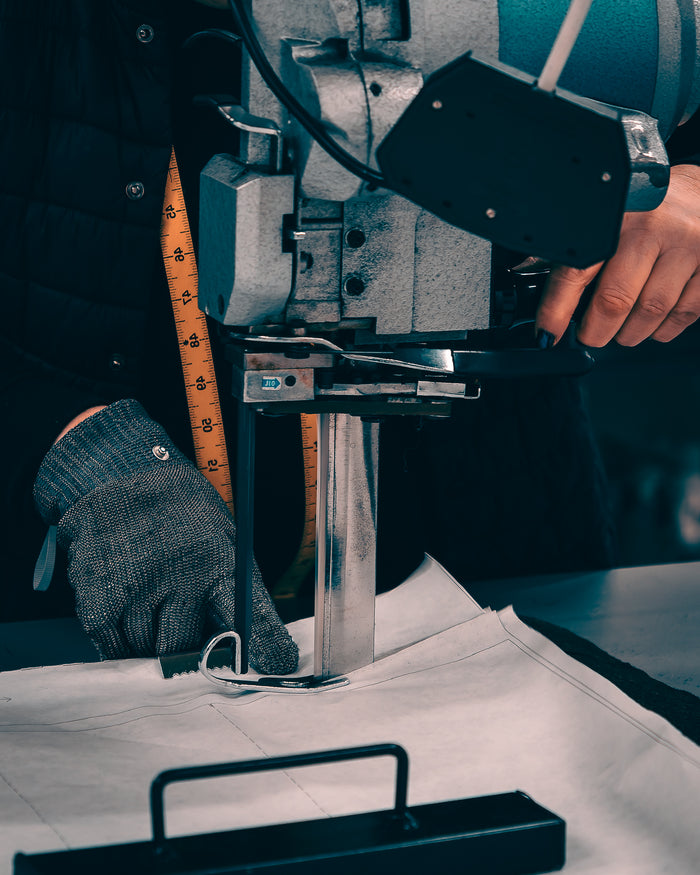
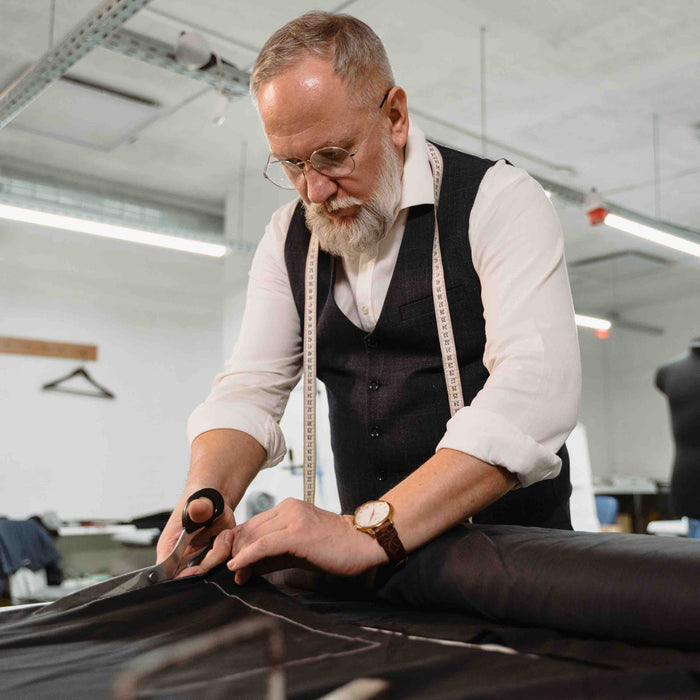
The grey hunting tweed jacket and waistcoat reflect the understated practicality associated with the early twentieth century while introducing a refined modern design. The grey base colour is complemented by a subtle blue check that adds depth and character to the fabric. This pattern echoes traditional hunting tweed designs that combine function with visual interest. Each jacket and waistcoat is designed, cut and sustainably handmade in Balbriggan, Co Dublin, connecting historical inspiration with contemporary Irish craftsmanship.
Irish Craftsmanship Today
Celtic Tweed continues a tradition of tailoring rooted in Irish textile heritage. Balbriggan has long been associated with clothing production and skilled craftsmanship, particularly in textile manufacturing during the nineteenth and twentieth centuries. Today the brand draws on that history while creating modern designs that celebrate Irish creativity and craftsmanship. Careful attention to fabric, construction and finishing ensures each jacket and waistcoat reflects the knowledge and skill of experienced makers.
How to Wear It Today
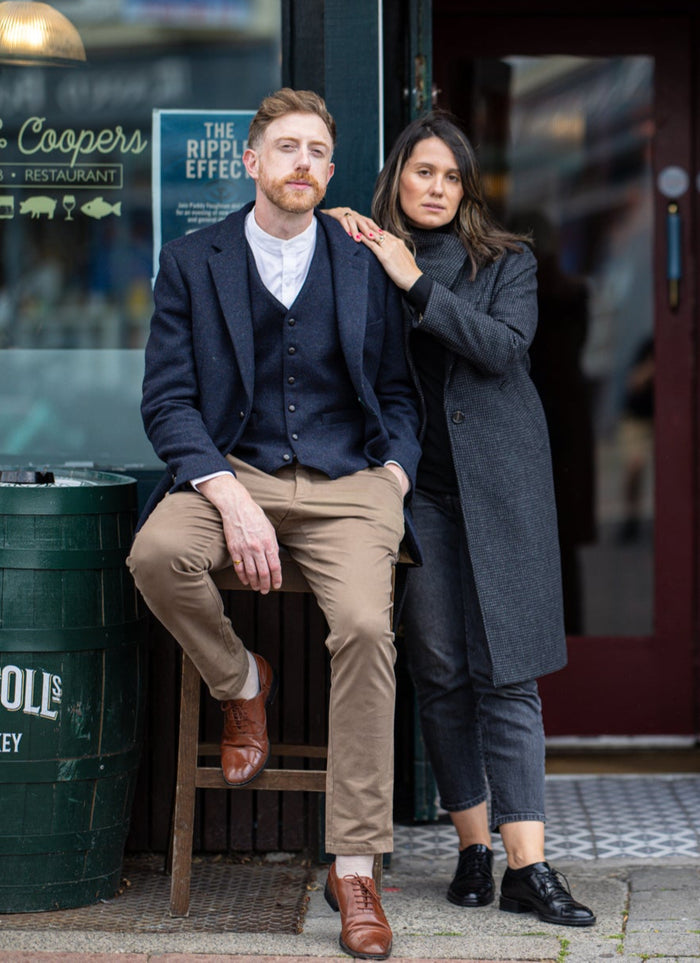
The grey hunting tweed jacket and grey hunting tweed waistcoat offer a versatile combination suited to both countryside and city environments. The neutral grey tone pairs easily with shirts, knitwear and classic footwear, while the blue check adds subtle visual interest. In rural settings the jacket and waistcoat complement outdoor landscapes and relaxed gatherings. In urban environments the same combination creates a polished yet distinctive appearance. Worn together or styled separately, the pieces allow the wearer to move comfortably between occasions while maintaining a sense of heritage inspired style.
Conclusion
James Larkin’s legacy reflects the determination and resilience of workers who sought fairness and dignity during a transformative period in Irish history. His story remains an important part of Ireland’s social and political heritage. The grey hunting tweed jacket and waistcoat from Celtic Tweed draw on that historical context while celebrating the craftsmanship and design traditions that continue today. In doing so they connect the past with modern tailoring through fabric, colour and thoughtful design.