














Charles Stewart Parnell and the Moss Green Herringbone Tweed Jacket & Vest
March 16, 2026
Introduction
Few figures in Irish political history command the same quiet fascination as Charles Stewart Parnell. His presence shaped late nineteenth century politics and altered the course of Irish self governance. Known for his calm authority and strategic mind, Parnell represented a generation determined to pursue political change through leadership and persuasion. Today his legacy offers inspiration beyond politics, reaching into storytelling, culture and the traditions of fine tailoring. The moss green herringbone jacket and waistcoat by Celtic Tweed take their cue from this remarkable figure, drawing on the colours and landscape of the Ireland Parnell sought to represent.
Who Was Charles Stewart Parnell?
Charles Stewart Parnell was an Irish nationalist political leader who lived from 1846 to 1891 and served as the leader of the Irish Parliamentary Party from 1882 until 1890. He became one of the most influential figures in the campaign for Irish Home Rule within the British Parliament during the late nineteenth century. Parnell was known for his strategic political leadership, his ability to unite Irish nationalist members of parliament, and his role in advancing constitutional methods for Irish self government. His influence made him one of the most significant Irish political leaders of his time.
The Story Behind the Inspiration
Parnell’s reputation rested on a rare combination of composure and determination. He entered politics during a period when Ireland was experiencing social tension, economic hardship and growing calls for political reform. As a leader he demonstrated a careful, measured style that contrasted with the fiery rhetoric often associated with nationalist movements. His authority came from strategy rather than spectacle. Supporters referred to him as the “Uncrowned King of Ireland,” a phrase that captured the respect he commanded among many Irish people during the height of the Home Rule movement. Even today his name remains closely associated with political leadership, resilience and the pursuit of national identity.
Clothing and Style of the Era
During the late nineteenth century, men’s clothing reflected the formal conventions of Victorian society. Tailoring focused on structured jackets, waistcoats and carefully cut trousers, often made from wool fabrics designed to provide warmth and practicality. Herringbone and other woven patterns were common, particularly in rural areas where heavier wool fabrics were suited to the climate and countryside life. Jackets were typically worn with waistcoats, creating a layered silhouette that balanced practicality with refinement. The emphasis on craftsmanship meant clothing was shaped through skilled cutting and careful construction, traditions that still influence tailoring today.
How This Inspired the Celtic Tweed Jacket and Waistcoat
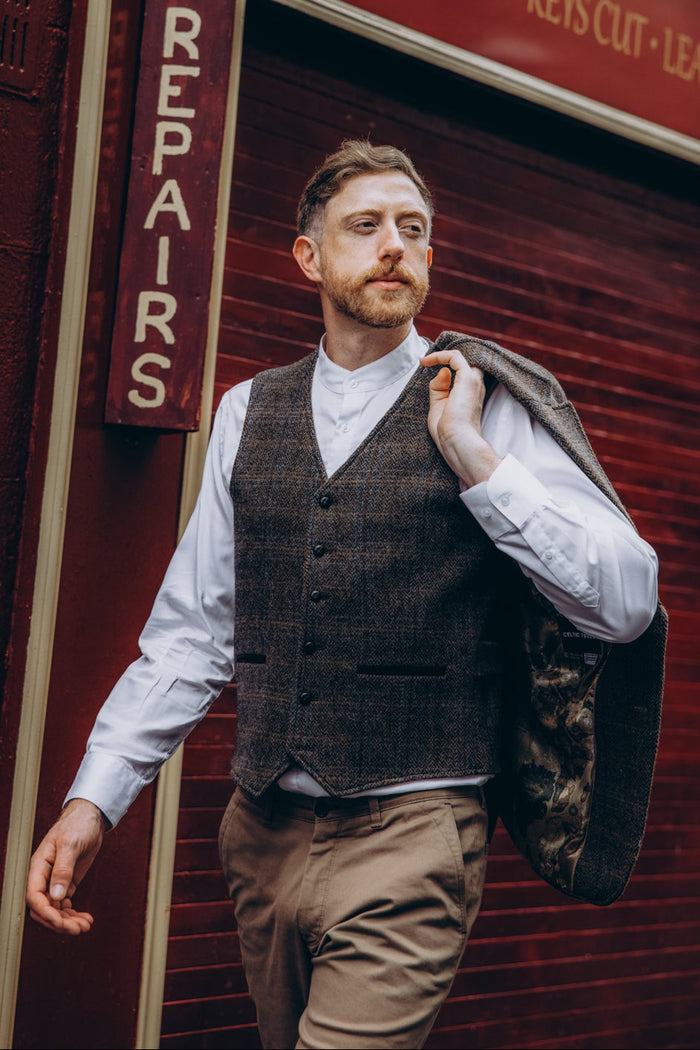
The moss green herringbone jacket and waistcoat from Celtic Tweed take their inspiration from the landscapes and historical context associated with Parnell’s life. Moss green reflects the colour of the Irish countryside that shaped so much of the country’s identity during the nineteenth century. The herringbone weave echoes traditional wool patterns long associated with classic tailoring. Designed, cut and sustainably handmade in Balbriggan, Co Dublin, the jacket and waistcoat capture a sense of heritage while remaining relevant for modern wardrobes. The result is a piece that connects history, landscape and craftsmanship in a quiet and thoughtful way.
Irish Craftsmanship Today
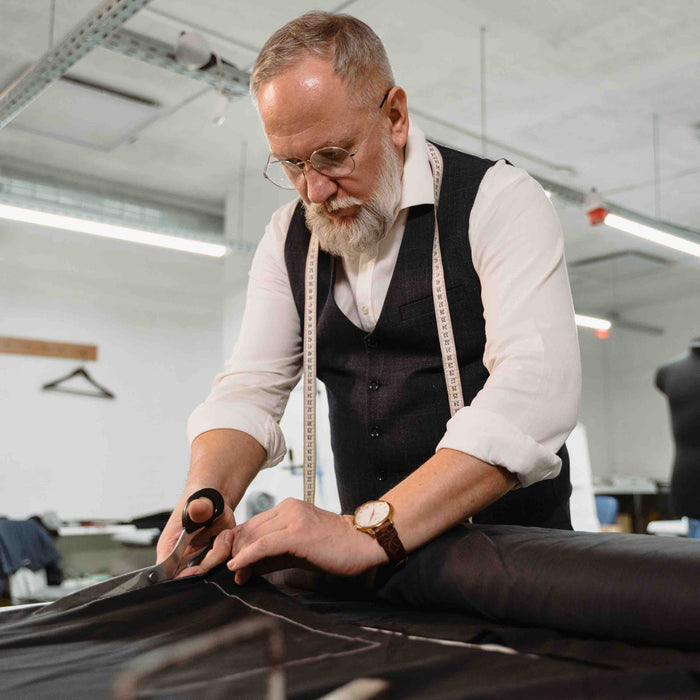
Celtic Tweed continues a long tradition of tailoring rooted in Irish craftsmanship. Balbriggan has a rich textile history, known for generations as a centre of knitting and clothing production. Today the brand carries that heritage forward through contemporary designs created with respect for traditional techniques. Each piece is designed with attention to fabric, structure and finish, reflecting the care associated with skilled tailoring. By producing clothing locally in Ireland, Celtic Tweed supports craftsmanship that values both heritage and responsible production.
How to Wear It Today
The moss green herringbone jacket and moss green herringbone waistcoat transition easily between countryside and city settings. In rural environments the natural colour complements outdoor landscapes and relaxed country gatherings, making it ideal for weekends, events or walks through rolling green fields. In a city setting the same jacket and waistcoat create a refined yet distinctive look when paired with crisp shirts and well cut trousers. The layered combination of jacket and waistcoat offers flexibility, allowing the wearer to adapt the outfit depending on the occasion while maintaining a sense of timeless style.
Conclusion
Charles Stewart Parnell remains one of the most compelling figures in Irish political history, remembered for his leadership and influence during a defining moment in the nation’s story. His legacy continues to inspire cultural reflection, connecting past and present in unexpected ways. The moss green herringbone jacket and waistcoat by Celtic Tweed echo this connection, drawing on heritage, landscape and craftsmanship to create something meaningful for today. In doing so they remind us that history is not only remembered in books and speeches, but also in the traditions we carry forward.