








Man of Aran: Inspiration Behind Celtic Tweed's Fisherman Waistcoats
March 05, 2026
Introduction
Off the rugged west coast of Ireland lie the Aran Islands, where life has long been shaped by the Atlantic Ocean and the determination of the communities who lived there. For generations fishermen set out in small currach boats to navigate rough waters and provide for their families. Their lives demanded resilience, skill, and a deep respect for the sea. The clothing worn in this environment was designed with practicality in mind, favouring wool fabrics and layered garments that offered warmth and freedom of movement. At Celtic Tweed, stories like these continue to inspire contemporary design. The Man of Aran Waistcoat Collection draws from this heritage, translating the character of traditional Irish coastal clothing into modern tailoring.
The Heritage Behind the Inspiration
The fishermen of the Aran Islands became internationally recognised during the early twentieth century through photographs and the famous documentary film Man of Aran, released in 1934. The film portrayed the demanding daily life of island communities and brought global attention to the culture of the islands. Fishermen worked in small wooden boats called currachs, navigating the Atlantic using knowledge passed down through generations. Their clothing reflected this lifestyle. Wool fabrics and simple, practical garments protected against wind and sea spray while allowing movement during physical work.
Quick Facts About the Aran Islands
Location: Atlantic Ocean off the coast of County Galway
Main islands: Inis Mór, Inis Meáin, and Inis Oírr
Traditional livelihoods: Fishing, farming, and stonework
Famous cultural reference: The documentary film Man of Aran (1934)
Clothing heritage: Wool garments and layered workwear suited to harsh Atlantic weather
Life on the Aran Islands
Life on the Aran Islands demanded resilience and cooperation. The islands are formed of limestone with little natural soil, so generations of islanders created farmland by layering sand and seaweed over rock. Fishing provided another essential source of livelihood, and men often ventured into the Atlantic in currach boats to catch mackerel, cod, and other fish. Weather conditions could change quickly, and knowledge of the sea was essential for survival. Communities relied on shared skills and strong family ties, creating a culture defined by self reliance and mutual support.
Clothing and Style of the Fishermen
Traditional clothing worn by Aran fishermen reflected the practical needs of coastal life. Wool fabrics were widely used because they provided warmth even in damp conditions. Garments were layered to allow flexibility while working outdoors in changing weather. Waistcoats were particularly useful because they added warmth while leaving the arms free for rowing, hauling nets, or maintaining equipment. These practical design choices shaped a distinctive style that has become closely associated with Irish coastal heritage.
How This Inspired Celtic Tweed
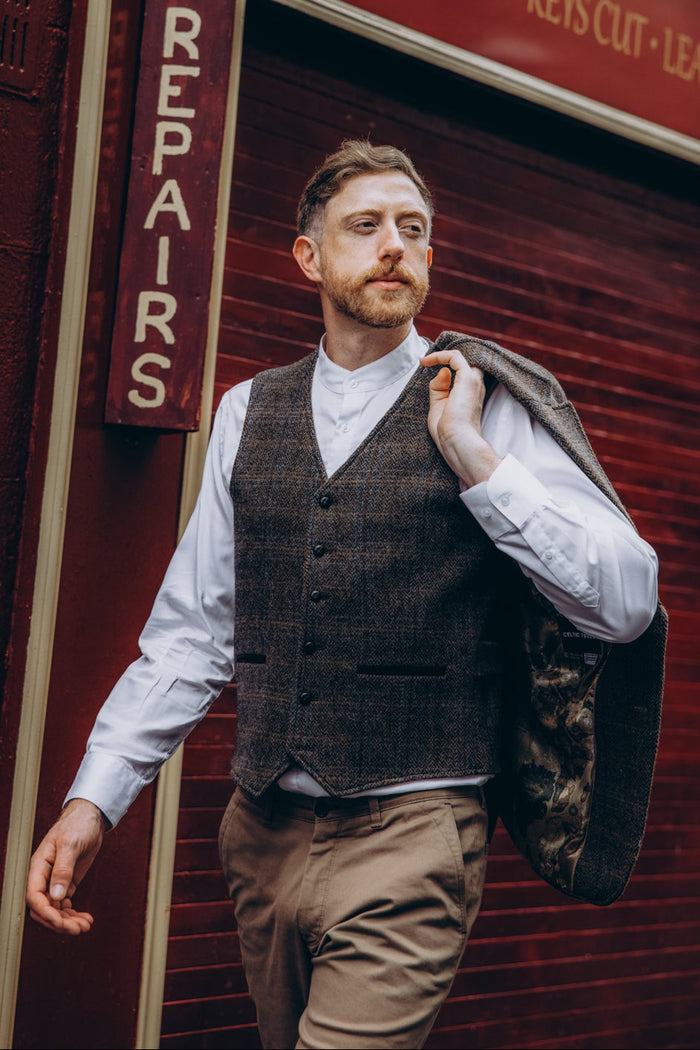
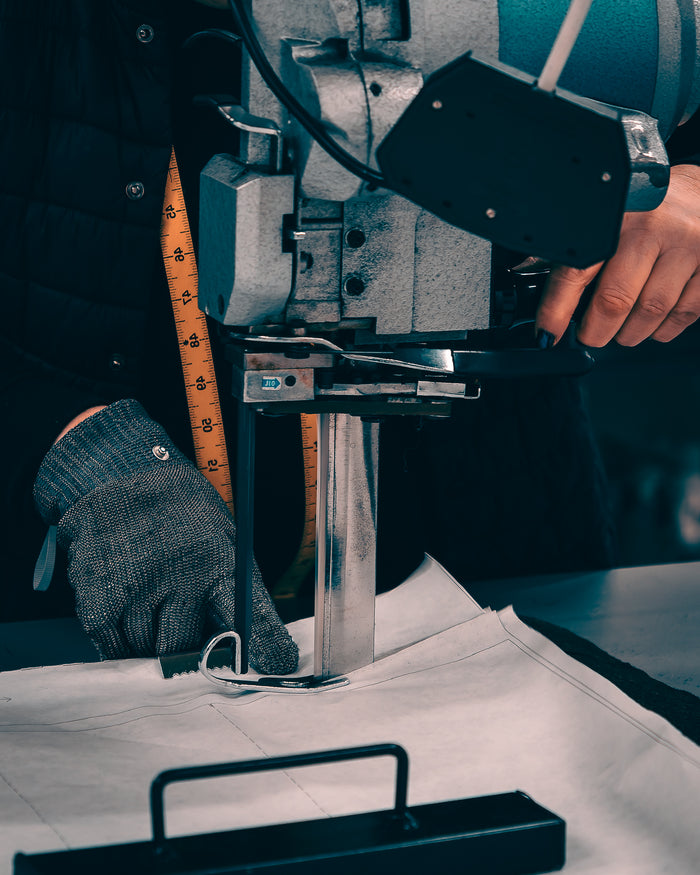
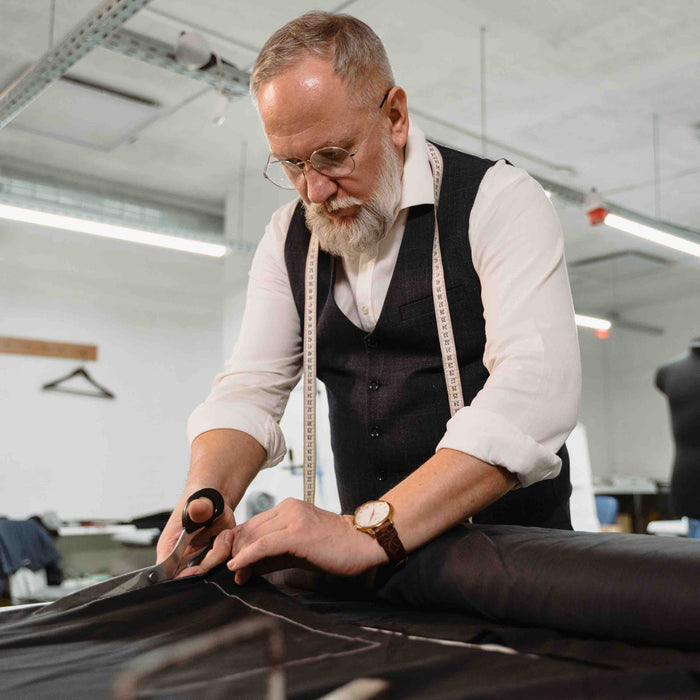
The Man of Aran Waistcoat Green Herringbone Waistcoat reflects the strength and practicality of traditional island clothing while presenting it through modern tailoring. Designed, cut and sustainably handmade in Balbriggan, each waistcoat is crafted from heritage tweed chosen for its character and warmth. The structured yet comfortable design allows the garment to move easily whether worn outdoors or layered for everyday use. The collection celebrates the resilience and craftsmanship associated with Ireland’s coastal communities while offering a refined interpretation suited to contemporary life.
Irish Craftsmanship Today
Irish textile traditions remain central to Celtic Tweed’s design philosophy. By working with heritage fabrics and skilled makers, the brand continues a long relationship between Irish clothing and craftsmanship. Each waistcoat like the Man Of Aran Bog Brown Tweed Waistcoat is designed in Dublin and handmade in Balbriggan, reflecting careful attention to detail and construction. This approach ensures that traditional Irish materials continue to play an important role in modern clothing design.
Styling the Look Today
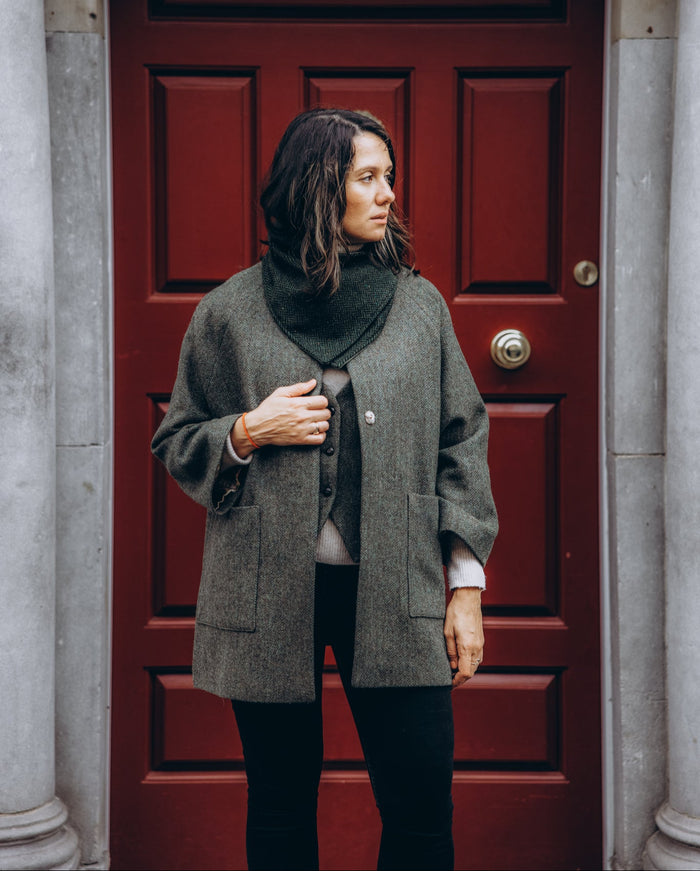
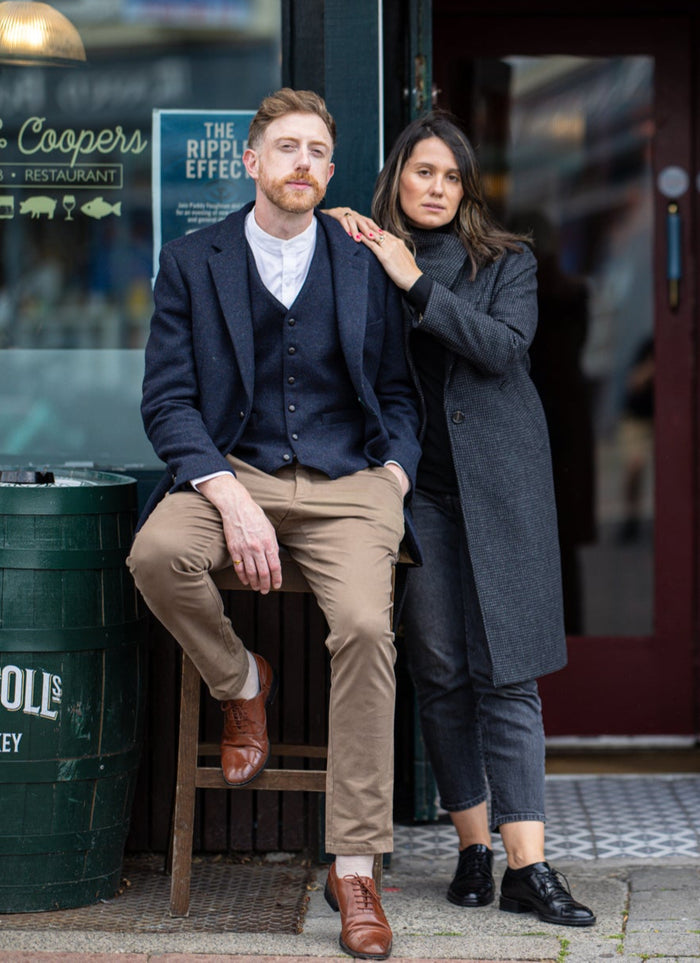
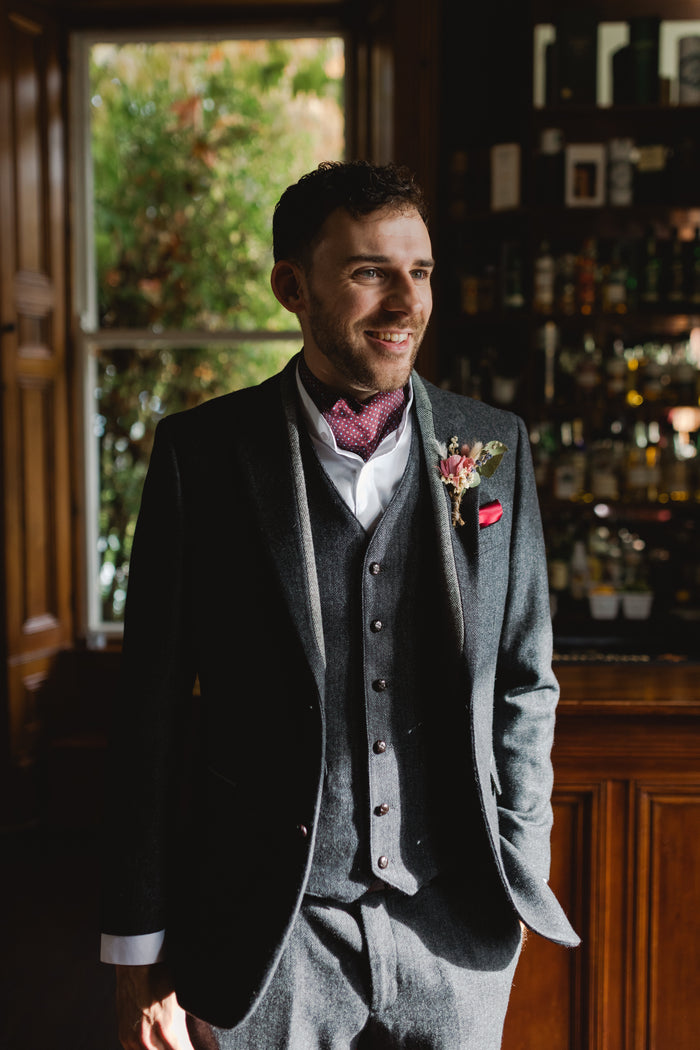
A tweed waistcoat offers versatility across a variety of settings. It can be layered over shirts or knitwear to provide warmth while maintaining a tailored appearance. The natural texture of tweed adds character and depth, making it suitable for both countryside and urban environments. Inspired by traditional workwear but refined for modern wardrobes, the Man of Aran Moss Green Waistcoat reflects a balance of practicality and understated style.
The Historical Inspiration Behind Celtic Tweed Designs
Celtic Tweed collections often draw inspiration from Ireland’s history, landscapes, and cultural traditions. From explorers and writers to rural communities and coastal heritage, these stories shape the ideas behind many of the brand’s designs. By connecting these influences with contemporary tailoring, Celtic Tweed creates clothing that celebrates both Irish heritage and modern craftsmanship.
Conclusion
The story of the Aran Islands fishermen represents resilience, community, and a deep connection to the Atlantic landscape. Their clothing reflected the demands of daily life while quietly expressing the character of the islands themselves. Inspired by this heritage, the Man of Aran Waistcoat Collection celebrates practical design, heritage fabrics, and Irish craftsmanship. Designed and handmade in Balbriggan, these waistcoats reflect a timeless connection between tradition and modern style.