






Best Blazer for Summer: Why Irish Linen Works for Women
April 16, 2026
Best Blazer for Summer: Why Linen Works for Women
When it comes to summer tailoring, the question is rarely whether to wear a blazer. It is how to wear one without compromising comfort. Traditional blazers, even lighter versions, are built with layers, structure, and fabric weights that suit cooler conditions. Linen changes that entirely. A well-cut Irish linen blazer for women offers the same clarity and shape but allows air to move freely, making it one of the most effective options for warm weather dressing. This is not a seasonal trend. It is a practical shift in how tailoring is approached when temperature and movement matter.
Why linen performs differently in warm weather
Linen is woven from flax, a fibre known for its strength and breathability. Unlike synthetic blends or heavier wool, it does not trap heat. Air passes through the weave, allowing the body to regulate temperature naturally throughout the day. This is particularly important in tailoring, where structure often comes at the cost of comfort. Linen holds its line without requiring heavy internal support, which means the blazer feels lighter while still maintaining a defined silhouette. Over time, the fabric softens slightly, becoming more comfortable without losing its shape, which is why linen blazers remain relevant beyond a single season.
The difference between linen and traditional tailoring fabrics
Wool has long been the foundation of tailoring, valued for its ability to hold structure and resist creasing. In warmer conditions, that same density becomes a limitation. Linen approaches structure differently. It relies on the natural strength of the fibre rather than weight, allowing for a blazer that feels less restrictive while still looking considered. The result is a piece that moves with the body rather than sitting against it. This difference is subtle when viewed, but immediately noticeable when worn, particularly during longer days or in environments where temperature shifts between indoors and outdoors.
What makes a summer blazer feel structured without weight
Structure in a linen blazer comes from the cut rather than the construction. The shaping through the shoulder and waist defines the silhouette, while the fabric supports that shape without adding bulk. This allows the blazer to sit cleanly without feeling stiff. A well-made linen blazer will hold its form when worn open or closed, without collapsing or pulling. This balance is what separates tailored linen from more casual versions. It maintains a sense of intention while remaining easy to wear, which is essential for summer dressing.
Where a linen blazer fits into a real wardrobe
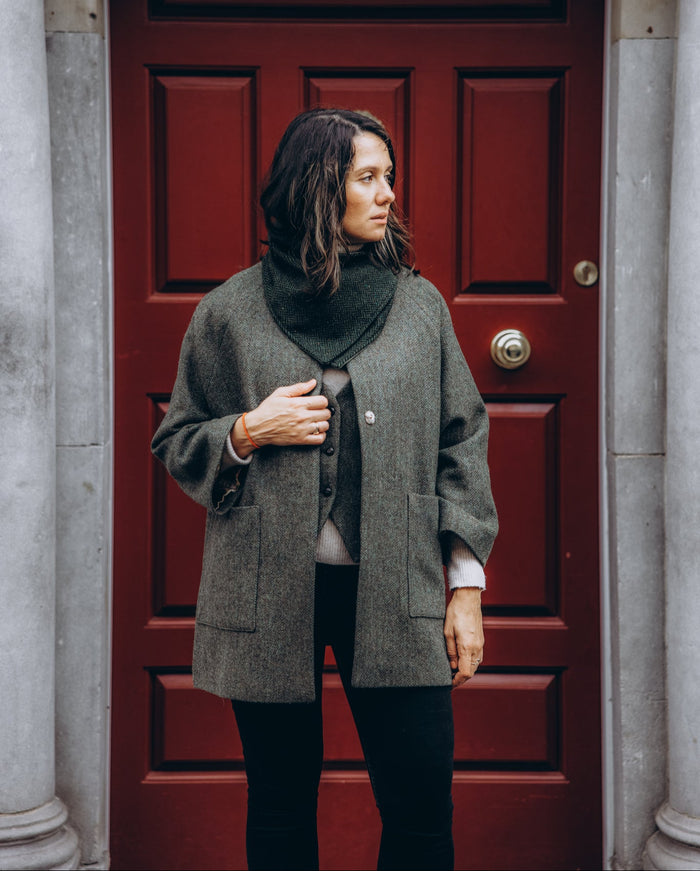
An Irish linen blazer works across more situations than most seasonal pieces. It can be worn to work, particularly in environments where traditional suiting feels too heavy. It travels well, offering a layer that adds structure without taking up unnecessary space or weight. It also suits events, from outdoor gatherings to summer weddings, where a lighter approach to tailoring feels more appropriate. Paired with matching linen trousers, it creates a complete look. Worn more casually with denim or softer separates, it adapts without losing its shape.
Irish linen and the role of craftsmanship
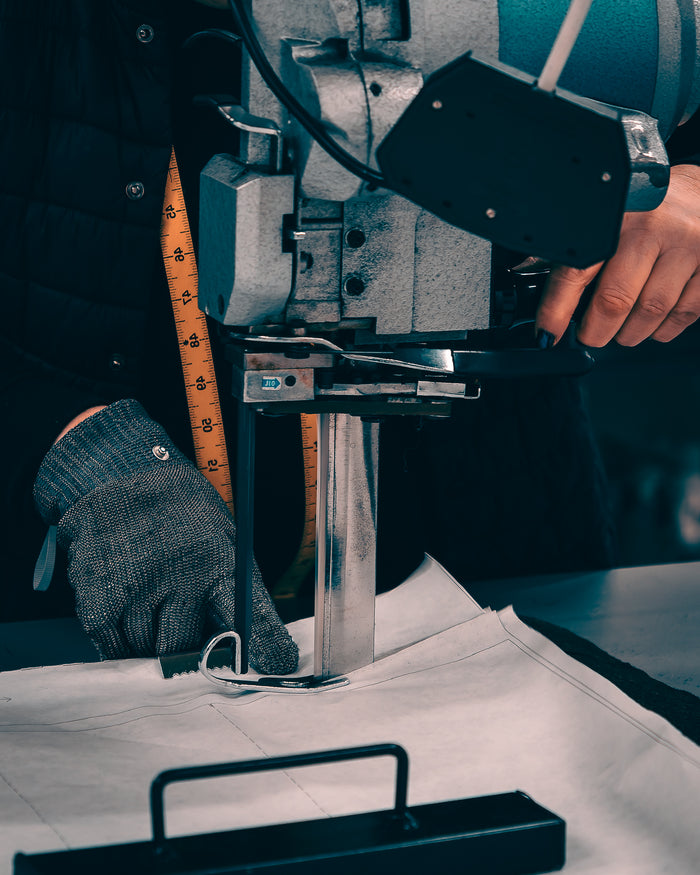
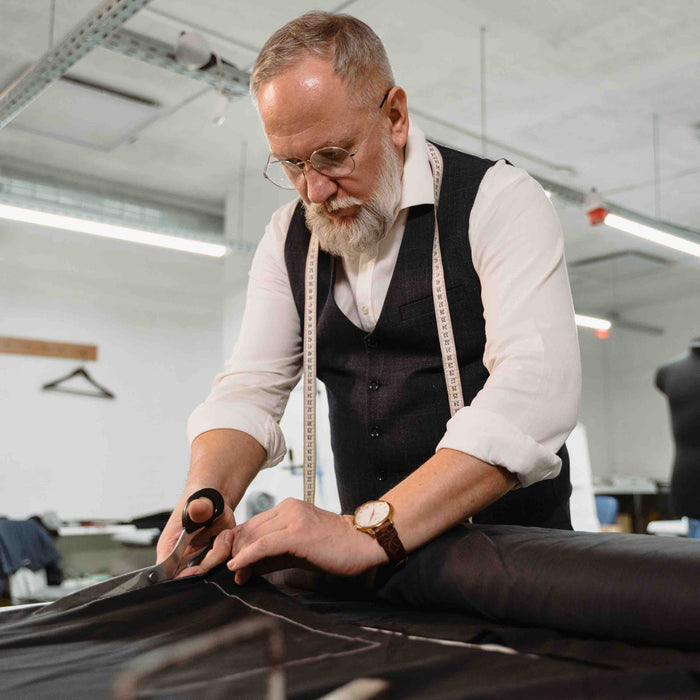
Irish linen carries a long-standing reputation for quality, shaped by generations of weaving and finishing. When combined with careful cutting and tailoring, it becomes more than a fabric choice. Each Irish linen jacket is designed, cut, and handmade in Balbriggan reflects a process that values precision and longevity. The focus is not on producing something for a single season, but on creating pieces that can be worn repeatedly, improving with time rather than being replaced. This is where linen stands apart, not just in performance, but in how it fits into a more considered way of dressing. In summer, the best blazer is not the lightest by weight alone. It is the one that works with the conditions rather than against them. Linen offers that balance, allowing tailoring to remain relevant without becoming restrictive.