





Edmund Burke and the Fawn Tweed Jacket & Waistcoat
March 16, 2026
Introduction
Edmund Burke remains one of the most influential political thinkers of the eighteenth century. His writings shaped debates about government, society and political responsibility across Britain and Ireland, and his ideas continue to influence political philosophy today. Known for thoughtful argument and careful reasoning, Burke believed that societies develop through history and shared experience rather than sudden upheaval. This sense of continuity offers a natural connection to heritage tailoring. The men’s fawn tweed jacket and waistcoat by Celtic Tweed draw inspiration from the understated elegance associated with Burke’s era while reflecting the lasting influence of historical craftsmanship.
Who Was Edmund Burke?
Edmund Burke was an Anglo-Irish political philosopher, writer and member of the British Parliament who lived from 1729 to 1797. Born in Dublin, he was educated at Trinity College before moving to London where he entered political life. Burke served as a Member of Parliament from 1765 until 1794 and became widely known for his speeches and writings on political responsibility, representation and government reform. His book Reflections on the Revolution in France, published in 1790, argued against the radical upheaval of the French Revolution and established him as one of the most important political thinkers of the eighteenth century.
The Story Behind the Inspiration
Burke’s career unfolded during a period of intellectual change across Europe known as the Enlightenment. Although he supported reform in areas such as government accountability and colonial administration, he believed that political systems should evolve gradually through experience and tradition. His speeches in Parliament addressed issues ranging from the governance of British colonies to the responsibilities of political leaders. Burke’s writing combined philosophy, history and practical politics, and his emphasis on balance and continuity helped shape later conservative political thought.
Clothing and Style of the Era
Men’s clothing during the eighteenth century reflected a structured and formal approach to appearance, particularly among educated and political circles. Gentlemen commonly wore tailored coats paired with waistcoats and breeches, often made from wool fabrics that provided warmth and structure. Earth tones such as fawn, brown and muted greens appeared frequently in everyday dress outside ceremonial settings. The layered combination of coat and waistcoat created a refined silhouette that balanced practicality with elegance, and skilled tailoring ensured the clothing reflected both status and personal style.
How This Inspired the Celtic Tweed Jacket and Waistcoat
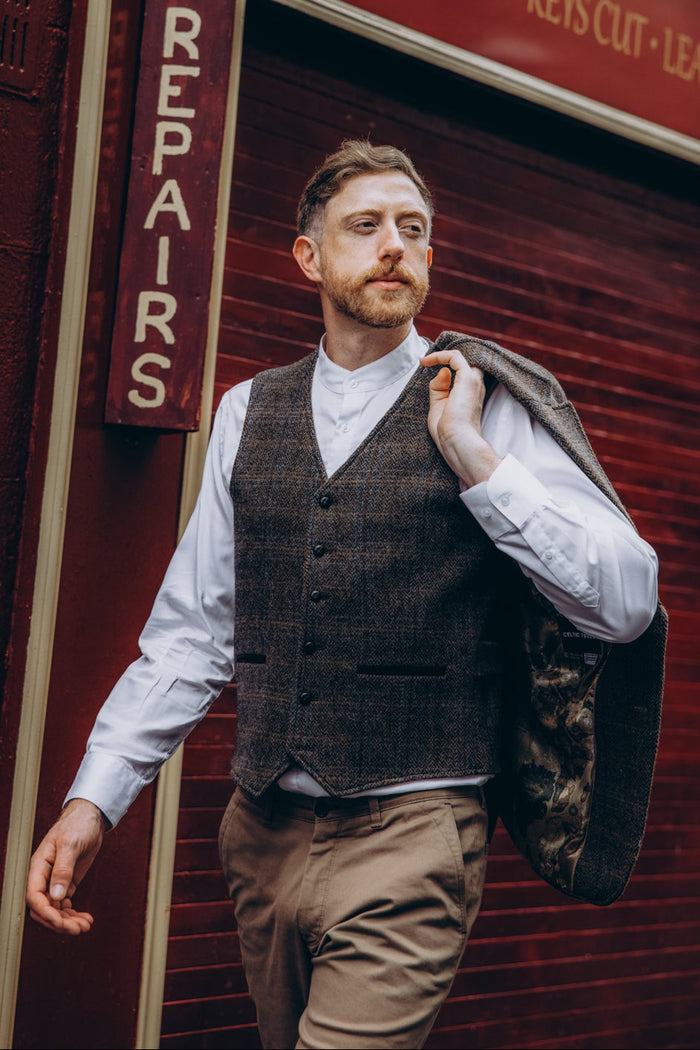
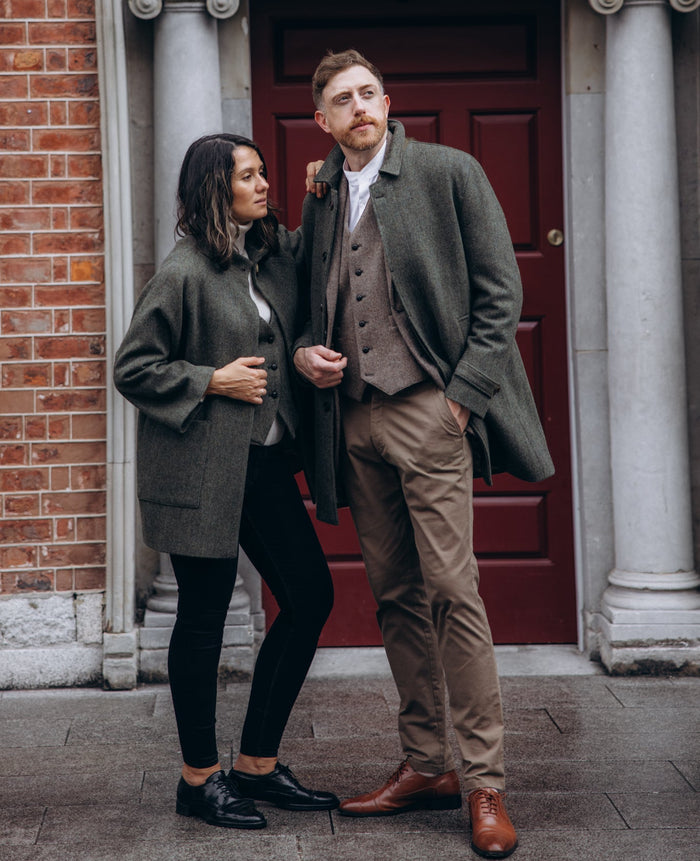
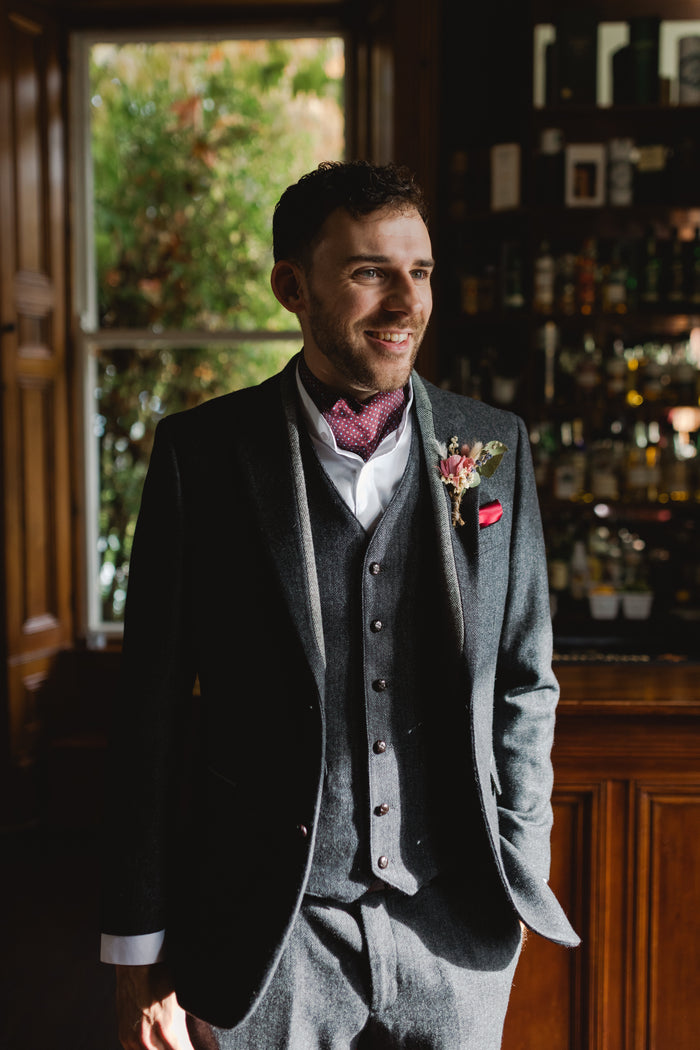
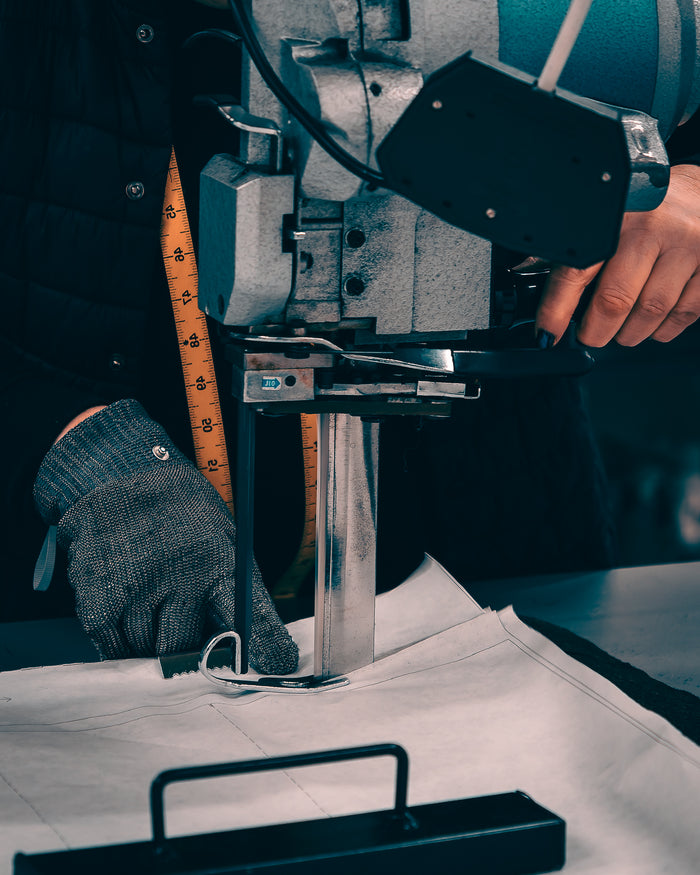
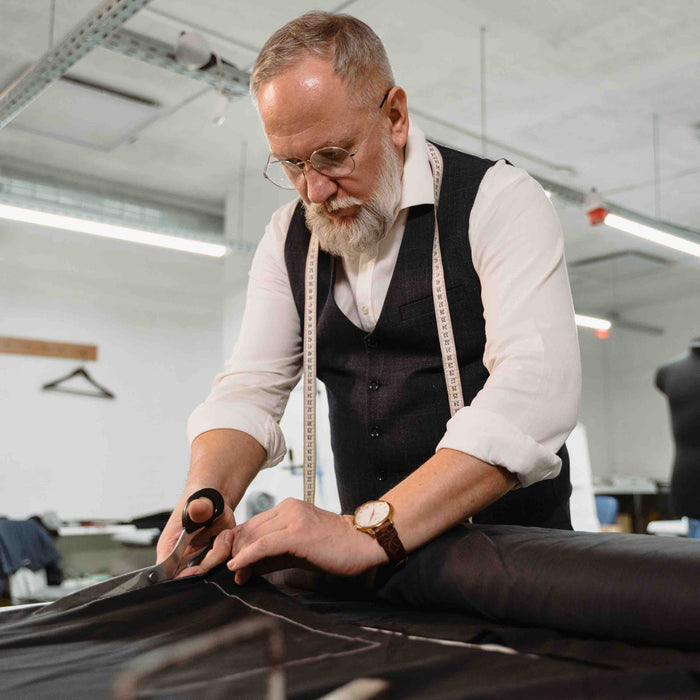
The men’s fawn tweed jacket and waistcoat take inspiration from the refined simplicity associated with Burke’s time. The soft fawn colour, a lighter shade of brown, reflects natural tones traditionally seen in wool fabrics and countryside landscapes. The design follows classic tailoring principles that value proportion, structure and versatility. Each piece is designed, cut and sustainably handmade in Balbriggan, Co Dublin, linking the legacy of historical thinkers such as Burke with the living tradition of Irish tailoring craftsmanship.
Irish Craftsmanship Today
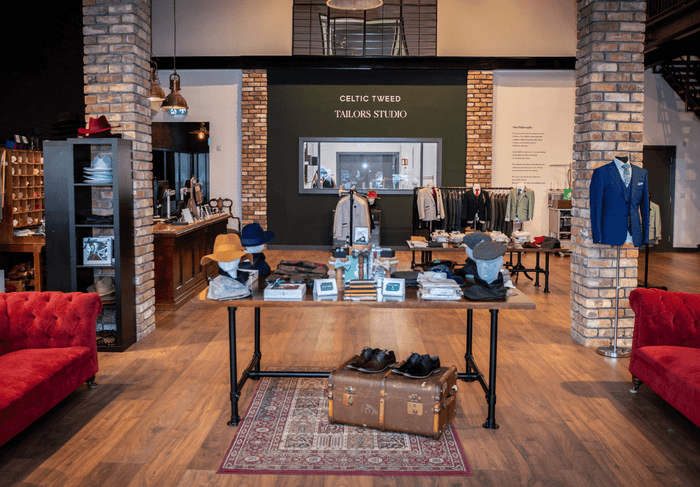
Celtic Tweed continues a long tradition of tailoring rooted in Irish craftsmanship. Balbriggan has historically been known for textile production and clothing manufacturing, contributing to Ireland’s reputation for skilled makers. Today the brand builds on that heritage through contemporary designs that respect traditional techniques while adapting to modern life. Attention to fabric, fit and construction ensures that each jacket and waistcoat reflects careful workmanship and a commitment to preserving local expertise.
How to Wear It Today
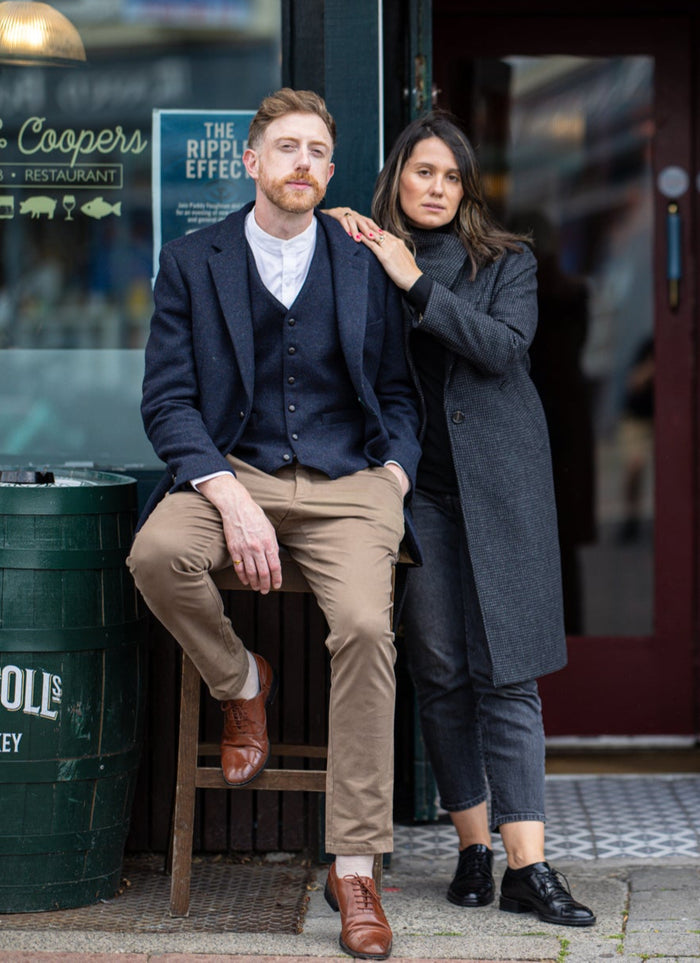
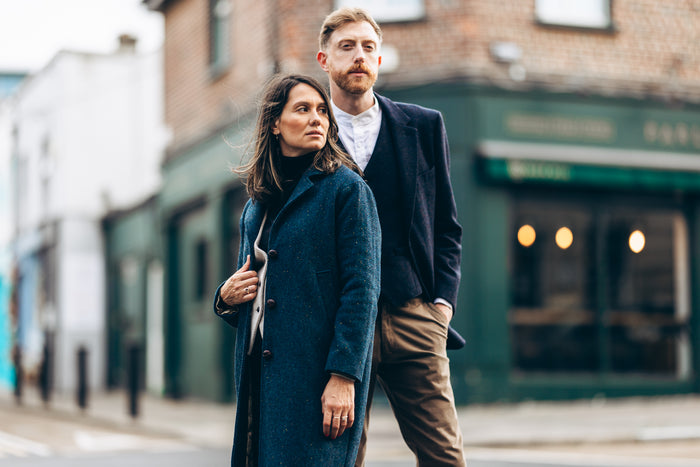
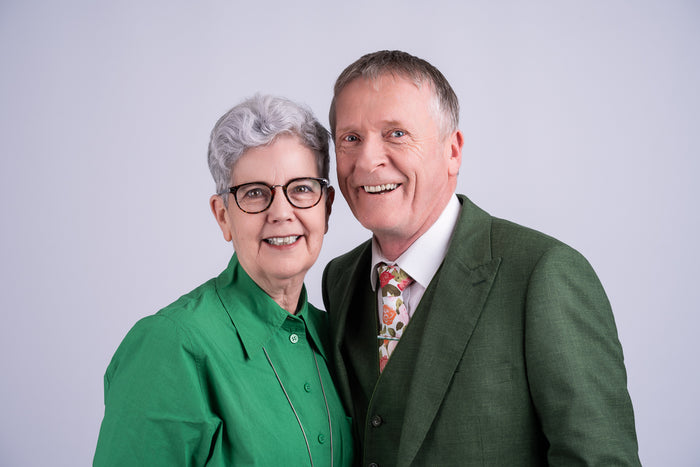
The men’s fawn tweed jacket and fawn tweed waistcoat and vest offer a versatile combination that works across both countryside and city environments. In rural settings the warm fawn tone complements natural landscapes and relaxed gatherings, pairing well with classic shirts and boots. In urban settings the same jacket and waistcoat create a refined appearance that stands out through subtle texture and colour. Worn together or styled separately, the pieces allow the wearer to move easily between occasions while maintaining a sense of heritage inspired style.
Conclusion
Edmund Burke’s legacy reminds us that ideas develop through time, shaped by generations who refine and reinterpret what came before them. His belief in continuity and thoughtful progress resonates with the principles of heritage craftsmanship. The men’s fawn tweed jacket and waistcoat by Celtic Tweed reflect that same connection between history and modern life, bringing together tradition, craftsmanship and timeless design.