









The Revere Tweed Waistcoat: The Perfect Spring Layer for Modern Tailoring
March 02, 2026
The Revere Tweed Waistcoat: The Smartest Spring Layer
A revere tweed waistcoat works in spring because it replaces the structure of a jacket without carrying its weight. The lapel frames the chest and neckline, allowing the waistcoat to be worn on its own while maintaining intention and formality. In transitional weather, it provides warmth where it matters most while keeping the arms free and the silhouette defined.
Why the Revere Changes Everything
Most waistcoats are designed to disappear under a jacket. Without one, they can feel incomplete. A revere waistcoat is different. The addition of a lapel alters how the tweed vest sits and reads. It introduces line across the chest. It anchors a shirt collar. It supports a tie. Even without a jacket, it retains clarity. This detail is subtle but significant. When the jacket comes off during a spring event, the outfit does not collapse. The structure remains. In our tailoring rooms in Balbriggan, the revere is cut with proportion carefully considered. The width of the lapel, the angle of the break, and the placement of the buttons must align with the body. When these elements are balanced, the waistcoat feels composed on its own. Spring is when that distinction becomes most visible. Our tweed waistcoat with revere have a four button closure rather than our traditional six button that you will find on waistcoats with no revere.
Spring Is About Adjustment
March and April rarely demand heavy layers all day. Mornings can begin cold. Midday light softens the air. By late afternoon, temperatures shift again. A full jacket may feel excessive by early afternoon. Removing it should not compromise the overall look. The revere waistcoat allows that adjustment to feel natural. It provides warmth across the core without adding bulk through the sleeves. It keeps the upper body structured even as outer layers are removed. It works beneath a coat in the morning and stands independently later in the day. That flexibility is what makes it particularly suited to spring race meetings, daytime weddings, and outdoor gatherings.
Green Herringbone Tweed Waistcoat With Revere
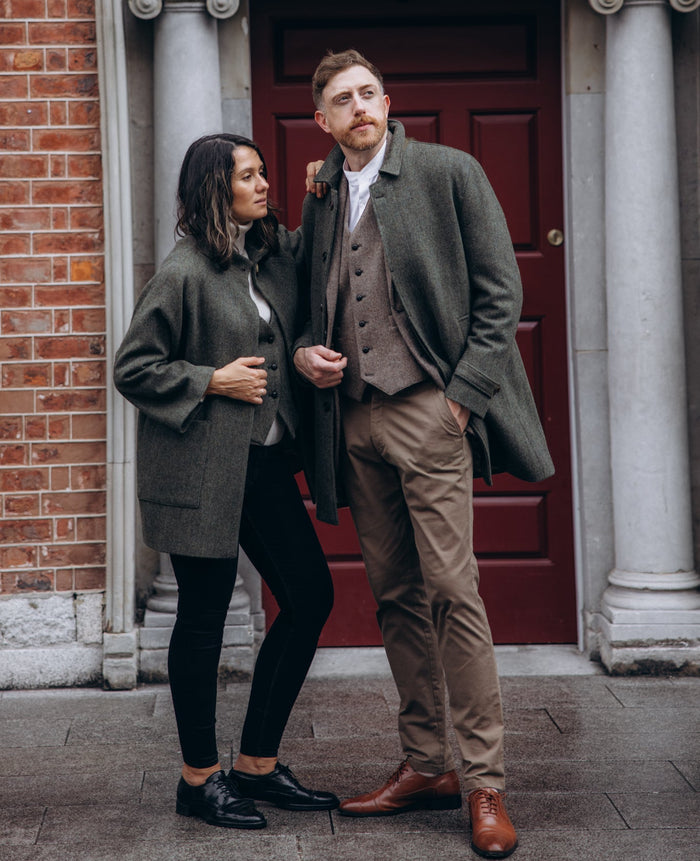
Green herringbone carries quiet depth. The directional weave introduces movement across the surface without shouting for attention. In natural light, the texture becomes visible without appearing heavy. This tone sits comfortably alongside navy, charcoal, cream, and soft blues. In spring settings, it feels grounded rather than seasonal. With a revere cut, the green herringbone waistcoat holds its shape clearly when worn without a jacket, particularly outdoors where texture becomes more pronounced.
Blue Herringbone Tweed Waistcoat With Revere
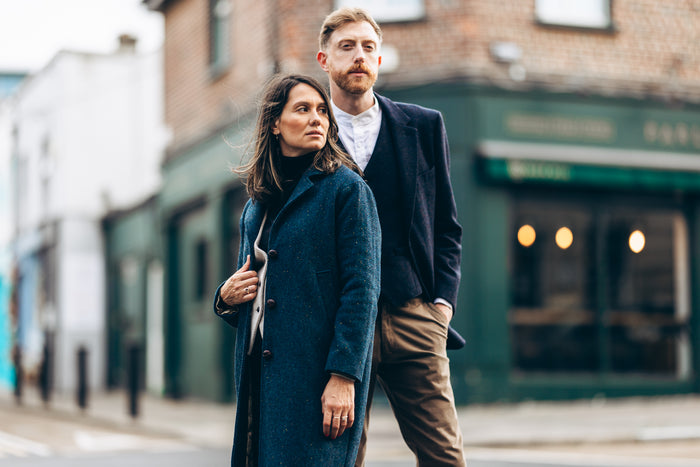
Blue herringbone offers familiarity with added dimension. The weave creates interest without disrupting formality. It is adaptable enough for both race day and spring weddings. In softer daylight, blue retains composure. Paired with grey or lighter trousers, it feels balanced rather than dense. The revere ensures the chest remains framed when the jacket is removed. This makes it particularly effective for events that move between indoor and outdoor settings.
Brown Hopsack Tweed Waistcoat With Revere
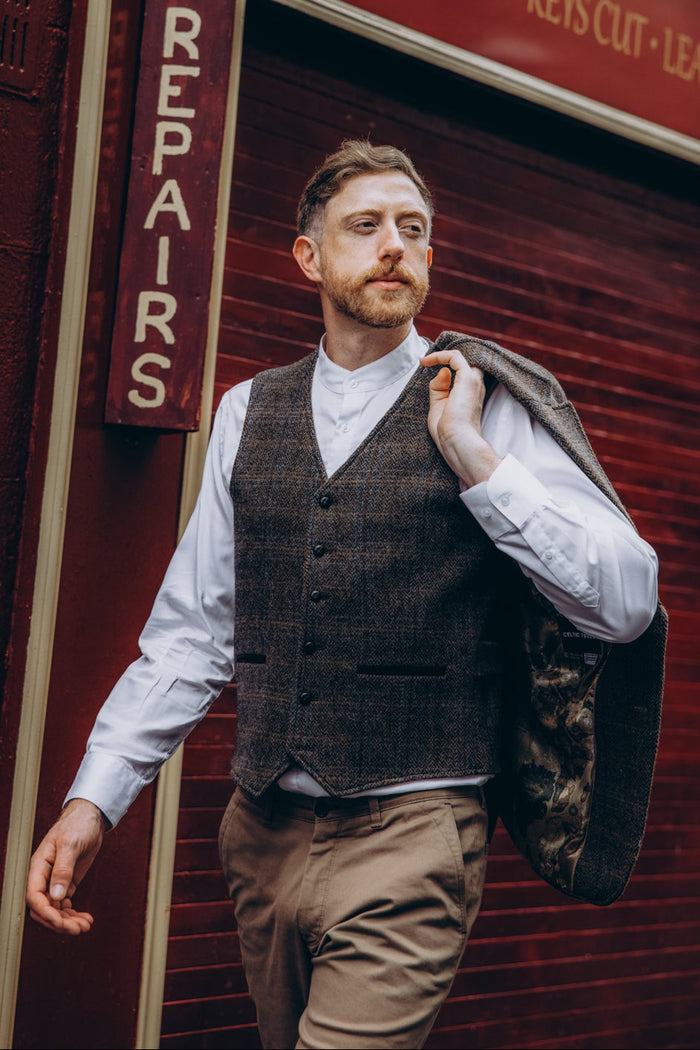
Hopsack differs in character. Its open basket weave introduces subtle breathability while maintaining integrity. Visually, it reads lighter than denser tweeds. Brown hopsack in spring feels textured without weight. It pairs easily with lighter shirts and softer tailoring. The revere lapel adds structure to the more open weave, ensuring the vest never appears relaxed or unfinished. For transitional dressing, this balance becomes valuable.
Navy Twill Tweed Waistcoat With Revere
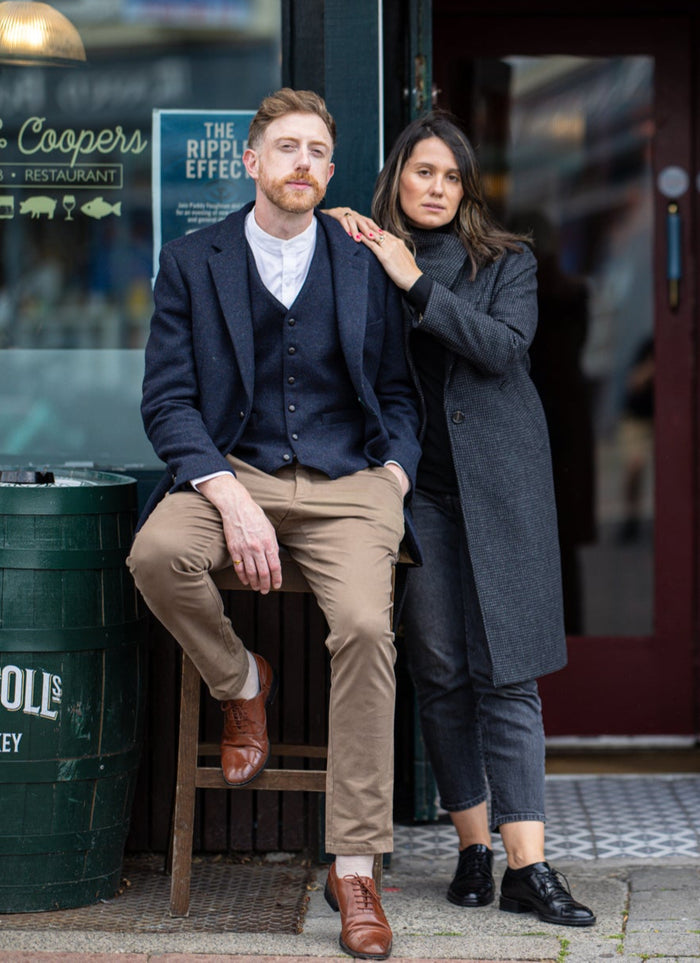
Navy twill carries a weave that reads refined and steady. It avoids overt pattern while offering surface depth. In spring, navy twill feels dependable. It integrates easily with both lighter and darker pieces. When cut with a revere, it maintains authority even when worn independently. This is often the waistcoat chosen when restraint is preferred over statement. Each cloth behaves differently in light and movement. The revere cut allows them to function beyond their traditional role.
Wearing the Revere Without a Tweed Jacket
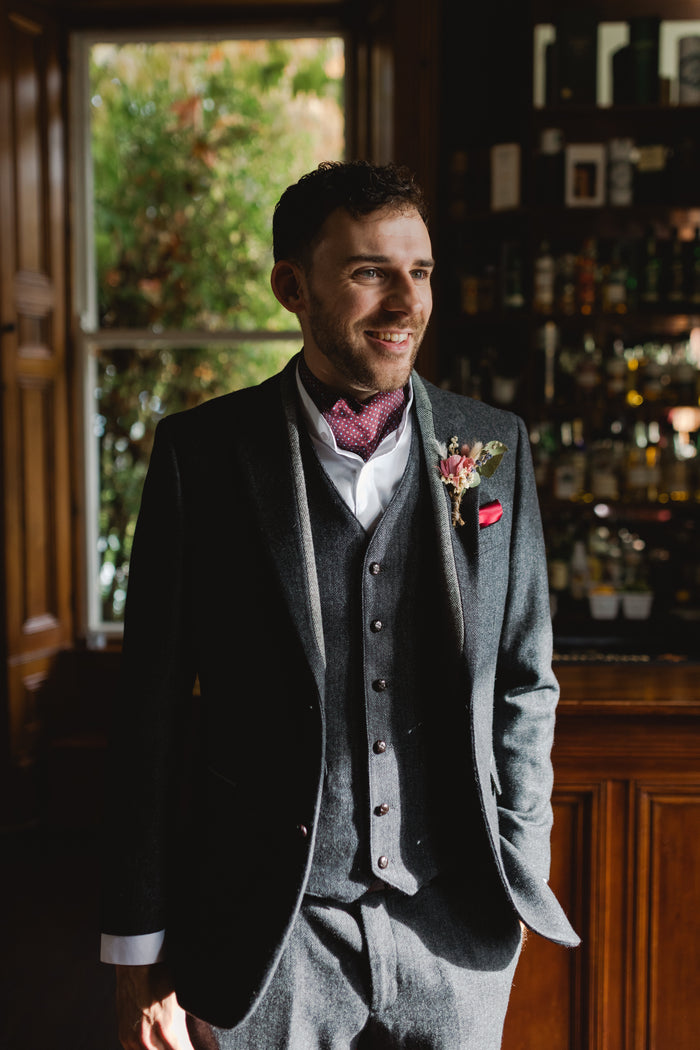
This is where the tweed vest proves itself. A revere waistcoat over a well-fitted shirt creates a complete upper silhouette. With a tie, it reads deliberate. Without a tie, it retains structure through the lapel. Paired with tailored trousers, it forms a coherent ensemble. With chinos or lighter flannel, it softens slightly while maintaining intention. Fit is crucial. The waistcoat should sit cleanly across the chest without strain. The armholes should allow movement without gaping. The length must cover the waistband of the trousers to preserve line. When proportion is correct, the absence of a jacket feels intentional rather than incomplete.
Core Warmth and Natural Regulation
Spring weather is inconsistent. Warmth is needed, but not everywhere. Wool fibres contain natural crimp, which traps air and helps regulate temperature. This allows tweed to provide insulation without artificial padding. The warmth sits at the torso, leaving the arms free. For outdoor events, this balance matters. A revere waistcoat worn beneath a tweed coat in the morning can transition to being the primary layer in the afternoon. The item adapts as the day evolves.
Proportion and Construction
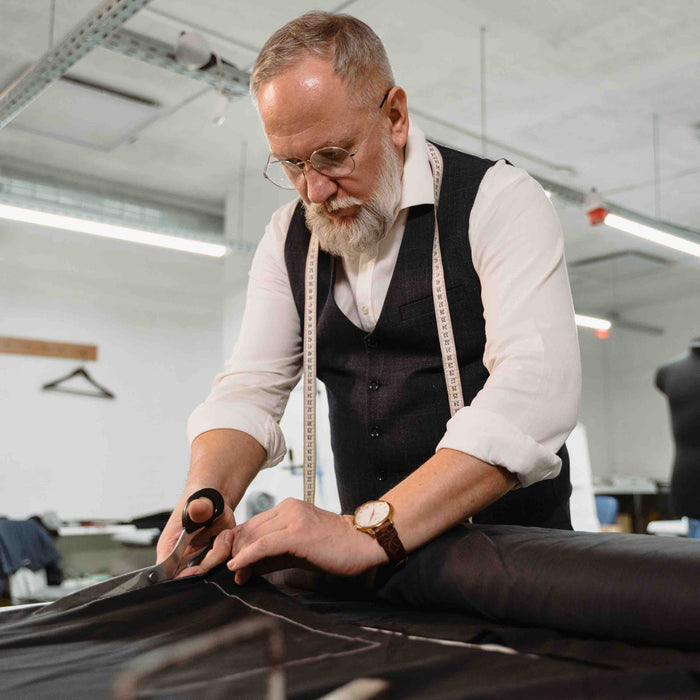
The success of a tweed revere waistcoat depends on cutting. The lapel width must suit the wearer’s build. Too narrow and it disappears. Too wide and it overwhelms. The break point should align naturally with the chest. Button stance should sit comfortably at the waist. Armholes should balance comfort and structure. The back adjuster should refine the fit without distorting the front. In Balbriggan, attention to these elements ensures that the waistcoat performs over time, not just in appearance. Construction supports movement. Reinforced seams maintain durability. Balanced shaping prevents pulling as the garment settles into wear. Spring dressing exposes more of the waistcoat. Without the jacket, detail becomes visible. Construction must hold up to that scrutiny.
A Layer That Stands Alone
The revere tweed waistcoat occupies a space between full tailoring and lighter dressing. It offers warmth without weight. Structure without rigidity. Adaptability without compromise. Green herringbone provides grounded texture. Blue herringbone offers versatility. Brown hopsack introduces breathability and dimension. Navy twill delivers restraint and composure. The revere cut ensures each cloth maintains intention when worn independently. In spring, that distinction matters.